
The Vicious Circle
1957
No user ratings available yet
Representation score: 2.5 out of 10

Representation Score
Minimal
1953
NRDirector
Jack Arnold
Runtime
81 minutes
Average Rating
No ratings yetNew Showbiz Analysis
The Glass Web is a mid-century noir that focuses on individual transgressions rather than systemic critiques. The plot revolves around traditional noir clichés such as blackmail and infidelity, emphasizing interpersonal manipulation. While the female lead plays a significant role in driving the plot, she is confined to the 'femme fatale' archetype, which highlights moral ambiguity rather than a meaningful challenge to gender hierarchies. Overall, the film reflects the social and cinematic constraints of its time. It focuses on personal moral failings and the maintenance of social status without addressing diverse identities or challenging established social structures.
Category Breakdown
The film operates within a framework that assumes everyone is straight or cisgender. Non-assuming gender matches what was assigned at birth identities are not represented.
The movie uses the classic femme fatale archetype. The female lead drives the plot through blackmail, but her actions are tied to moral instability rather than social subversion.
The story follows the homogeneous casting standards typical of 1953 crime cinema. There is no evidence of diverse racial or ethnic representation.
The plot centers on individual morality and social standing. It lacks a broader critique of Western institutions or diverse cultural frameworks.
There are no characters with visible or invisible disabilities mentioned in the narrative.
Present on Screen
Limited or Absent
Official Synopsis
A manipulative diva blackmails a married man and insults her secret lover, leading to her murder. As the husband tries to cover his tracks, the lover sabotages him and suggests turning the case into a TV show episode.
1957
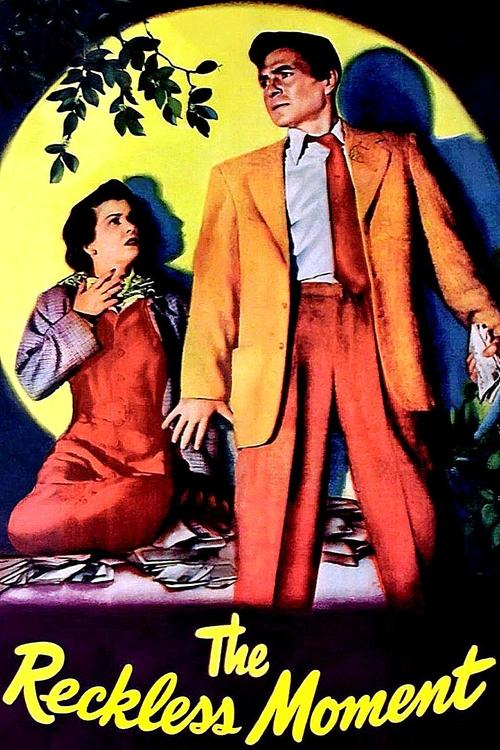
1949

1933
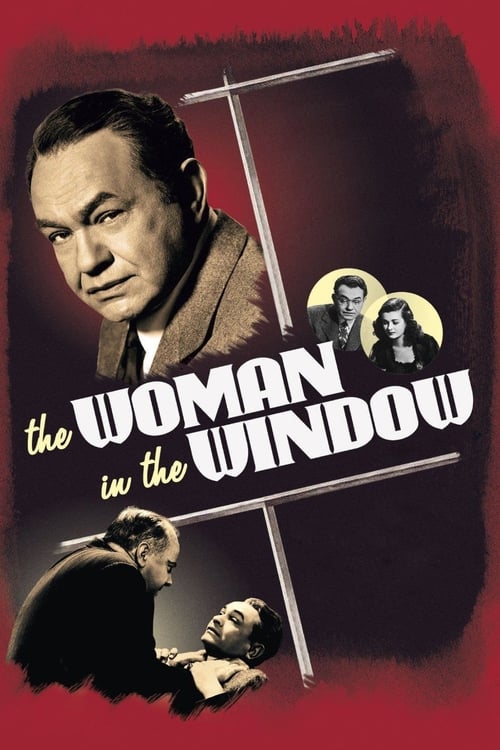
1944
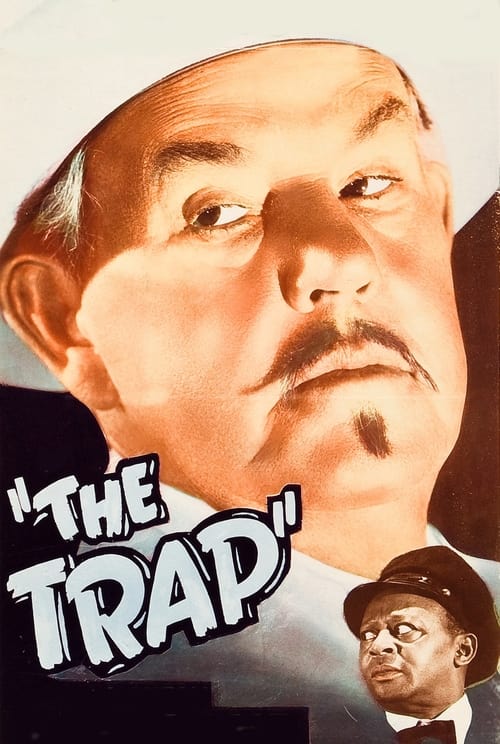
1946
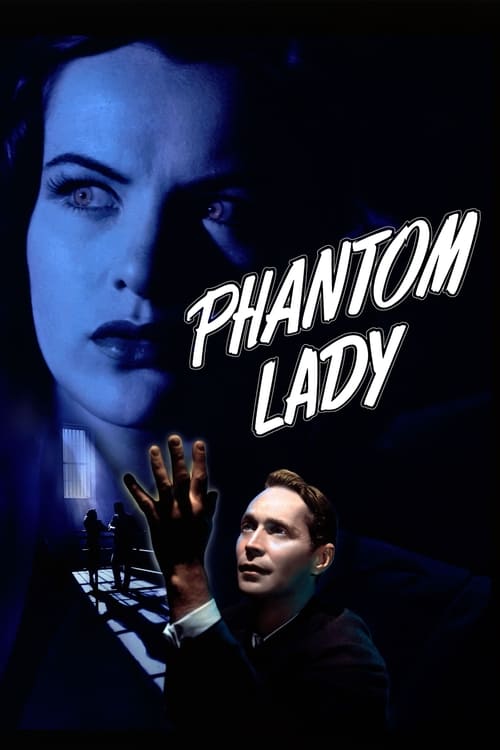
1944

1960

1948
No reviews yet. Be the first to share your thoughts on this movie!
Use the rating form above to leave a star rating and optional review.