Enrico Mattei
2009
No user ratings available yet
Representation score: 2.6 out of 10
Representation Score
Limited
2014
Director
Walter Veltroni
Runtime
117 minutes
Average Rating
No ratings yetNew Showbiz Analysis
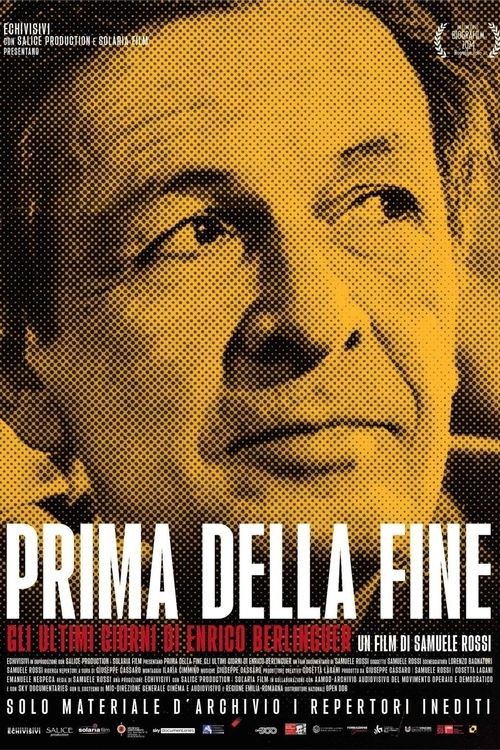
Walter Veltroni’s documentary is a focused historical study that emphasizes ideological and class-based analysis over demographic diversity. It reconstructs Enrico Berlinguer’s political philosophy and the socialist thought of the Italian Communist Party. The film’s low scores in traditional diversity metrics stem from its commitment to accurately representing the 1970s Italian political landscape. It reflects the homogeneous and patriarchal nature of the era's political environment. However, the documentary achieves significant value through its critical examination of capitalist dominance and the socioeconomic struggles of the working class. It offers a profound insight into anti-establishment political thought in Europe.
Category Breakdown
The documentary focuses solely on the life and political career of Enrico Berlinguer. It does not include any queer narratives or diverse gender identities.
The film centers on a male-dominated political structure typical of the Cold War era. It does not emphasize female leadership or challenge traditional gender roles.
The documentary primarily features archival footage of European figures, leading to a homogeneous cast. It examines class dynamics within a European context without addressing racial diversity.
The film delves into the tensions between the working class and state powers, emphasizing secular political struggles over religious traditions.
The documentary does not depict any characters with visible or invisible disabilities that play a central role in the narrative.
Present on Screen
Limited or Absent
Official Synopsis
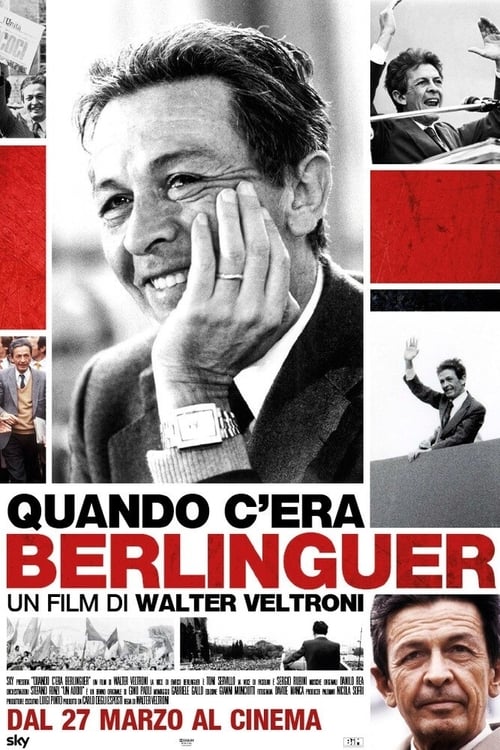
This is the story of Enrico Berlinguer’s solitude and success during his years as General Secretary of the PCI—from 1972 until his death while addressing a rally in Padua on June 11, 1984—told through the eyes of a young Walter Veltroni. The narrative is complemented by previously unseen archival material, interviews with key political figures (both Italian and international, such as Napolitano and Gorbachev), and footage shot in the Sardinian locations that were dear to Berlinguer.
2009
2015
2017
1997
2020
2023
2024
2018
No reviews yet. Be the first to share your thoughts on this movie!
Use the rating form above to leave a star rating and optional review.