Le fil d'Ariane
2012
No user ratings available yet
Representation score: 5.7 out of 10

Representation Score
Good
2004
Director
Jeanne Labrune
Runtime
87 minutes
Average Rating
No ratings yetNew Showbiz Analysis
Jeanne Labrune’s comedy works as a critique of systemic issues, using a student uprising to question traditional authority and Western educational methods. The film highlights the ethnic complexity of modern French society through its diverse cast. However, the film lacks depth in specialized representation. The absence of LGBTQ+ narratives and disability-focused themes limits its engagement with a wider range of human experiences. Ultimately, the work is a progressive exploration of institutional failure, emphasizing cultural and racial nuances over individual identity politics.
Category Breakdown
The film doesn't prominently feature LGBTQ+ identities or non-traditional gender expressions. It focuses on the collective youth experience without showing queer relationships or critiquing the assumption that everyone is straight.
The story challenges traditional power structures by focusing on young people standing up to institutional authority. However, it doesn't specifically address individual gender roles.
The film includes a diverse cast reflecting the multicultural reality of contemporary French urban youth. This mix of ethnic backgrounds offers a nuanced look at how different aspects of identity intersect during a major societal crisis.
The film explores themes that challenge Western institutions, presenting the education system as flawed. It portrays student rebellion as a reaction to a broken social contract.
There are no characters with visible or hidden disabilities that significantly influence the plot. The focus remains on socio-political issues rather than neurodivergence or physical disabilities.
Present on Screen
Limited or Absent
Official Synopsis
This way-offbeat comedy from Gallic director Jeanne Labrune concerns two young French women, best friends Léa and Jacinthe. While Jacinthe develops a fixation with the moths that begin to cluster in frightening quantities throughout her apartment, Léa finds herself drawn to a dim-witted fellow employed by a local supermarket, then impulsively decides to follow him home via train. When Léa mysteriously disappears during the days that follow, Jacinthe naturally grows concerned about her friend and decides to investigate.
2012

1996
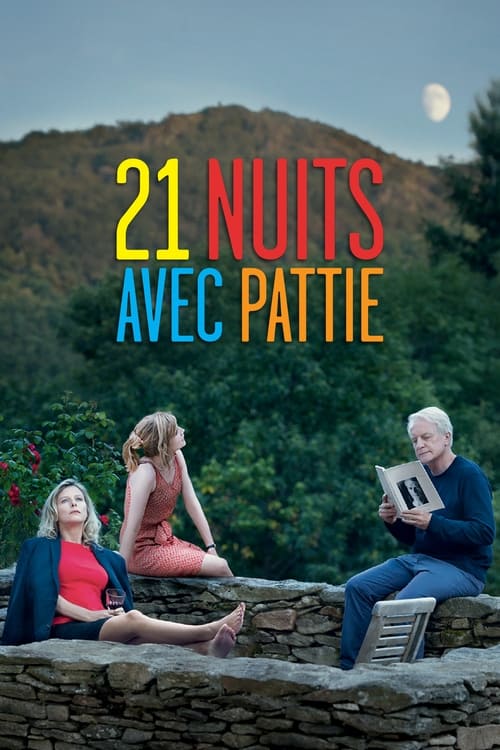
2015

1995
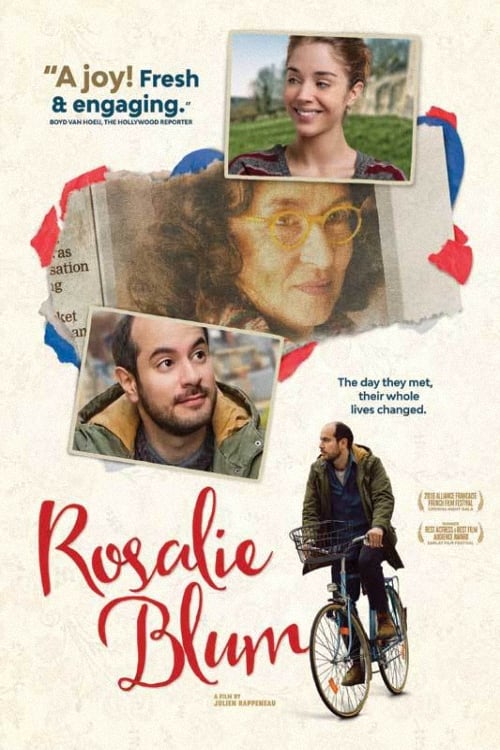
2016
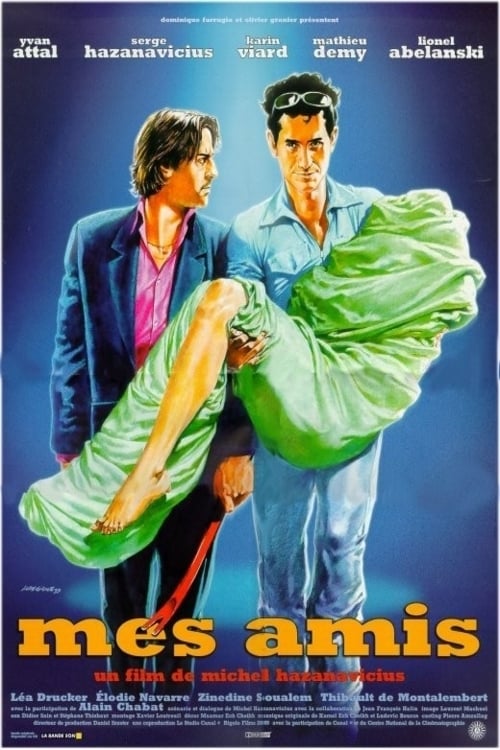
1999

2022
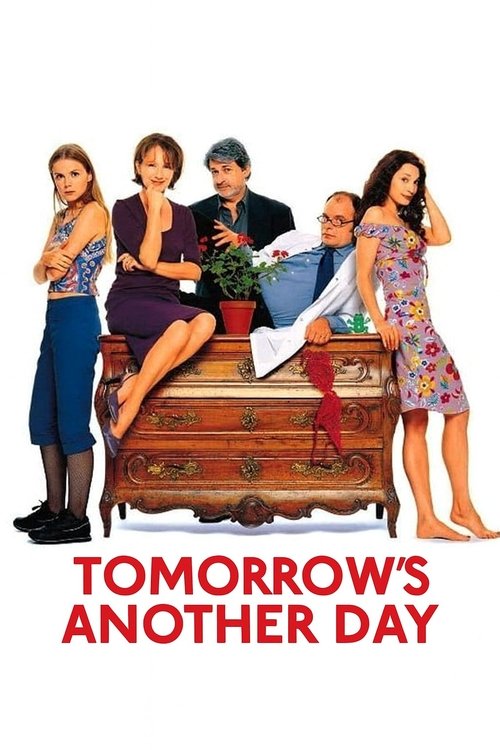
2000
No reviews yet. Be the first to share your thoughts on this movie!
Use the rating form above to leave a star rating and optional review.