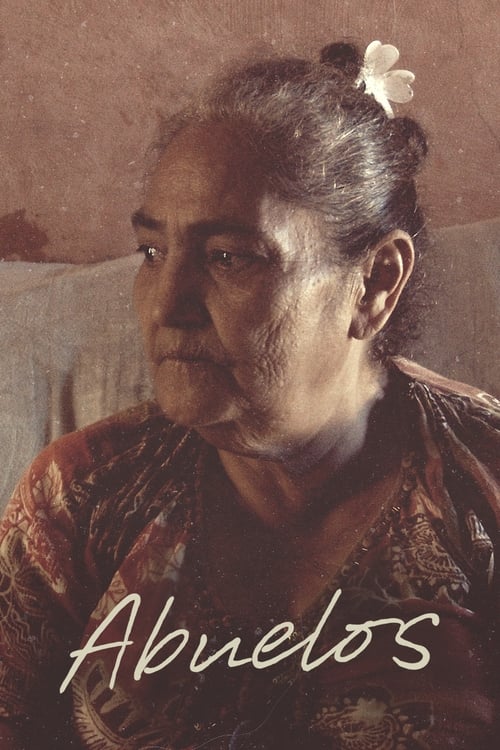
Abuelos
2020
No user ratings available yet
No diversity score available

2019
Director
Rodrigo Reyes
Runtime
25 minutes
Average Rating
No ratings yetSynopsis
A large immigration raid in a small Tennessee town leaves emotional fallout as well as far-reaching questions about justice, faith and humanity.
Overall Score
Good
Category Breakdown
LGBTQ+ Representation
The film focuses on the political and existential dimensions of detainees. It does not provide explicit evidence of queer-coded narratives or non-cisnormative identities.
Gender Representation
Female activists are depicted with significant intellectual agency despite a masculine-coded state structure. The narrative avoids traditional hierarchies by focusing on shared resilience among all detainees.
Racial & Ethnic Diversity
The documentary excels by centering Filipino identities and lived experiences. It avoids an outsider lens, allowing characters of color to drive the thematic weight through their own frameworks.
Religious & Cultural Diversity
The film offers a sophisticated critique of Western-style institutionalism and state-driven capitalism. It portrays state authority as a predatory mechanism rather than a stabilizing force.
Disability Representation
The narrative centers on the psychological trauma of interrogation and incarceration. However, there is no specific focus on characters with visible or invisible disabilities.
Strengths
Areas for Improvement
AI Analysis
After the Raid is a powerful documentary that prioritizes post-colonial perspectives over Western-centric narratives. By centering Filipino identities, the film grants significant agency to its subjects, allowing them to navigate systemic oppression through their own cultural and political lenses. The film's strength lies in its deconstruction of state authority, framing institutional power as a corrupt and predatory force. This approach provides a nuanced look at how political detention erodes individual agency and psychological well-being. While the film excels in racial and cultural representation, it remains narrow in its focus on specific identity markers. It lacks explicit representation of LGBTQ+ identities or characters with disabilities, focusing instead on the broader political struggle.
2020

2025

2019

2018

2000

2017
2020
2016
2019
2017

2004

2019
No reviews yet. Be the first to share your thoughts on this movie!
Use the rating form above to leave a star rating and optional review.