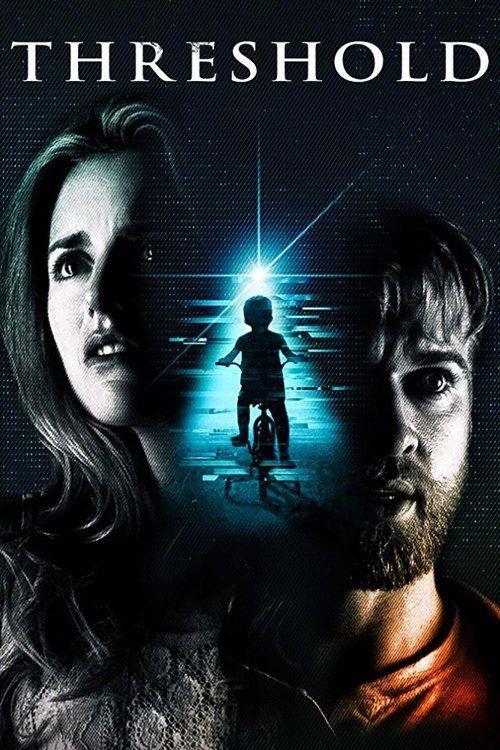
Threshold
2016
No user ratings available yet
Representation score: 1.6 out of 10

Representation Score
Fair
2020
Director
Luke Genton
Runtime
86 minutes
Average Rating
No ratings yetNew Showbiz Analysis
The Bone Box is a psychological character study that emphasizes moral ambiguity rather than broad demographic representation. It effectively uses class tension and economic desperation to drive its narrative, moving away from typical heroic clichés. However, the film relies heavily on traditional character archetypes and conventional romantic structures. Its representation of gender and identity stays within established norms, lacking multi-layered exploration. Ultimately, the film's strength lies in its deep thematic examination of situational ethics. While it lacks diverse identity-based representation, it provides a progressive look at the psychological impact of systemic poverty.
Category Breakdown
The film does not include explicit LGBTQ+ characters or stories about non-traditional gender identities. The plot revolves around the protagonist's grief over his deceased wife, sticking to traditional romantic structures.
The story centers on a male protagonist dealing with grief and financial troubles. Female characters such as Aunt Florence and Elodie play important roles but fit within traditional gender stereotypes.
The film focuses on class conflicts and personal relationships within a specific town. There is no indication of a cast representing multiple ethnicities or the use of actors from different backgrounds.
The movie challenges conventional morality by focusing on a protagonist driven to crime due to desperation. It critiques the stability of the wealthy and the corruption associated with wealth.
The film explores mental health through Tom’s depression and psychological breakdown. It is unclear whether this portrayal offers a nuanced look at neurodivergence or simply serves as a horror element.
Present on Screen
Limited or Absent
Official Synopsis
Depressed and reeling from the recent death of his wife, Tom has built up quite a gambling debt. He goes to stay with his wealthy Aunt Florence in hopes that she will write him into her will. When a nasty creditor makes it clear that Tom is out of time, he devises a plan with Elodie, the undertaker's daughter, to rob the graves of the rich townspeople buried in the cemetery across the road. After plundering the graves, Tom arrives back at Florence's house and events take a dark turn. Tom begins hearing and seeing strange things that seem to coincide with the deaths of the people he robbed. Even more disconcerting... he appears to be the only one sensing the occurrences. One question lingers: Is Tom's conscience playing a trick on him... or is he really being haunted by those he stole from?
2016
1974

2015
1994
2012
2008
2013
2009
No reviews yet. Be the first to share your thoughts on this movie!
Use the rating form above to leave a star rating and optional review.