A Fierce Green Fire
2013
No user ratings available yet
Representation score: 5.6 out of 10
Representation Score
Excellent
2019
Director
Jean-Robert Viallet
Runtime
99 minutes
Average Rating
No ratings yetNew Showbiz Analysis
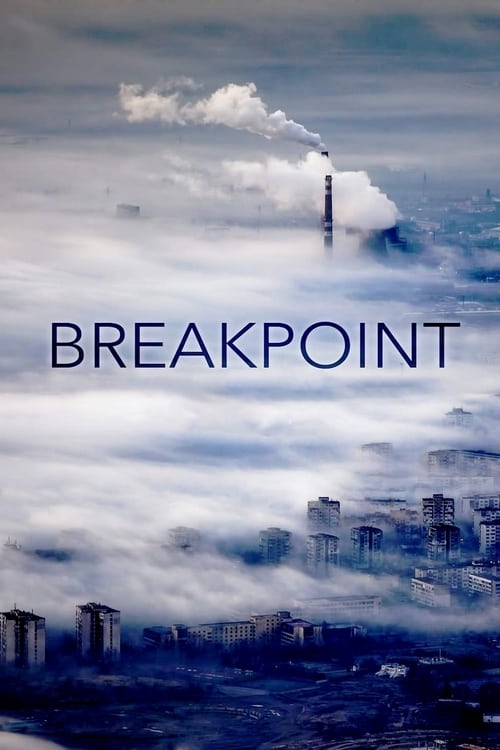
Breakpoint: A Counter History of Progress offers a critical look at the Anthropocene, challenging traditional historical hierarchies. It successfully deconstructs the 'Great Man' theory and highlights the exploitation of the global majority. However, the film lacks specific representation for LGBTQ+ identities and individuals with disabilities. Its focus is primarily on macro-historical and socio-economic issues, which limits its engagement with personal identity-driven narratives. Ultimately, the documentary provides a strong cultural critique of Western industrialism, though it remains neutral on many specific demographic representations.
Category Breakdown
The documentary focuses on broad historical shifts and systemic power structures. It does not include explicit or character-driven stories related to LGBTQ+ identities.
The film challenges the idea of great leaders by showing masculine leadership as greedy and destabilizing. It portrays powerful figures as driven by selfish motives.
The narrative emphasizes the experiences of underrepresented communities globally, especially those affected by industrialization in the Global South. It highlights the impact on the most vulnerable populations.
The film explores anti-capitalist and anti-institutional themes, critiquing Western industrial expansion and systemic exploitation in modern global capitalism.
The documentary focuses on geopolitical and environmental history rather than individual identity. While it mentions the weakest populations, it does not specifically address neurodivergence or physical disabilities.
Present on Screen
Limited or Absent
Official Synopsis
An account of the last two centuries of the Anthropocene, the Age of Man. How human beings have progressed so much in such a short time through war and the selfish interests of a few, belligerent politicians and captains of industry, damaging the welfare of the majority of mankind, impoverishing the weakest, greedily devouring the limited resources of the Earth.
2013

2009

2014
2007
2006
2011
2009
2018
No reviews yet. Be the first to share your thoughts on this movie!
Use the rating form above to leave a star rating and optional review.