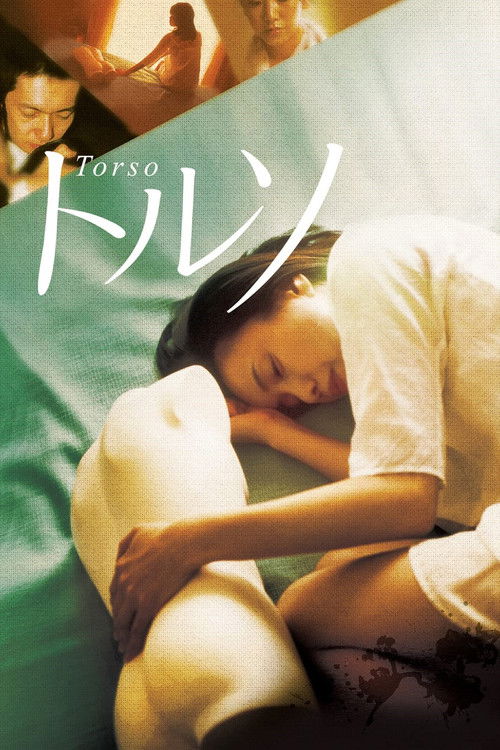
Torso
2009
No user ratings available yet
Representation score: 7.6 out of 10
Representation Score
Excellent
2013
Director
Jeon Kyu-hwan
Runtime
107 minutes
Average Rating
No ratings yetNew Showbiz Analysis
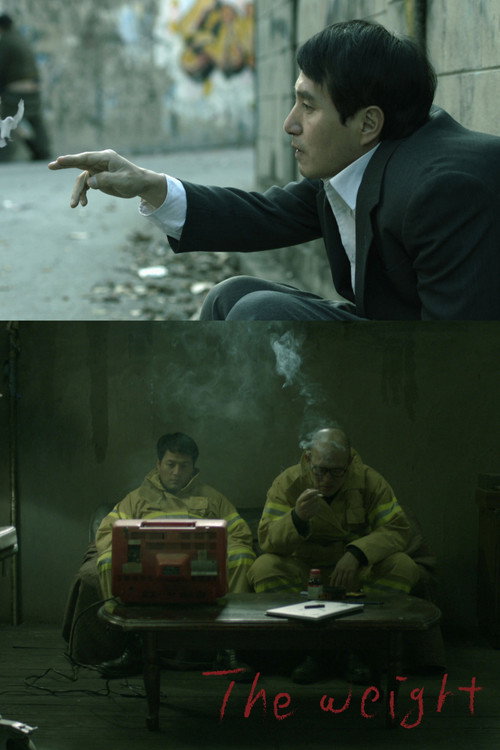
The Weight is a nuanced character study that disrupts conventional narrative expectations. It excels by focusing on the psychological depth of underrepresented individuals and exploring non-traditional gender identities. By giving the protagonist ability to act despite his chronic illnesses and making gender fluidity a central plot element, it avoids common clichés of pity or mere presence. While the film is culturally specific to South Korea, it uses this setting to critique traditional institutions, offering a complex view of human suffering and identity.
Category Breakdown
The film explores gender identity through the character of Jung's brother, who wants to transition from male to female, serving as a key emotional driver for the plot.
Gender hierarchies are challenged by the brother's pursuit of a female identity. The adoptive mother also subverts the nurturing maternal archetype by being a source of systemic cruelty.
Set in South Korea, the film focuses on local cultural nuances of adoption and familial duty within a homogeneous cultural context.
The film portrays traditional family units as sources of trauma, prioritizing the dignity of outsiders over societal expectations of stability.
Jung's tuberculosis and arthritis are integral to his identity as an artist and mortician. The film treats his physical vulnerabilities as a complex, lived reality.
Present on Screen
Limited or Absent
Official Synopsis
Jung is a mortician at the morgue, who has to rely heavily on medicine for his severe tuberculosis and arthritis. Despite his illness, cleaning and dressing the dead is a noble and even beautiful work. His life over there is both a reality and a fantasy while the corpses are his models and friends for his paintings, his sole living pleasure. Why this morbid hobby? Jung was adopted by a horrible woman who used him as a slave for her dress shop. The natural son of the woman is younger than Jung and has a strange desire. He wants to transform his male body into a female one. Despite the love and hate relationship Jung has with his brother and burdened with the weight of life and the difficulties he has to deal with at his job, Jung endures the pain and prepares a last gift for his brother...
2009

2012
2004

2007
2021

1985

2010

2003
No reviews yet. Be the first to share your thoughts on this movie!
Use the rating form above to leave a star rating and optional review.