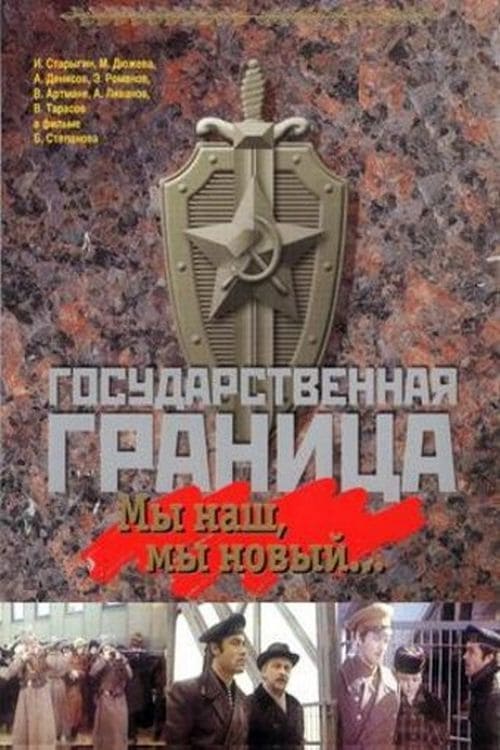
State Border: Vol. 1. We are Ours, We are New...
1980
No user ratings available yet
Representation score: 1.6 out of 10

Representation Score
Minimal
1988
Director
Gennadiy Ivanov
Runtime
128 minutes
Average Rating
No ratings yetNew Showbiz Analysis
This historical war drama centers on state security and the personal trauma of wartime displacement. The narrative is built around duty and the preservation of national boundaries, reflecting the conservative institutional values of the Soviet era. The film focuses on a male-centric mission involving saboteurs and a father's quest. While it touches on familial loss, it does not challenge or subvert traditional social hierarchies or gender roles. Overall, the work serves as a specific historical exploration of geopolitical tension rather than a platform for diverse social perspectives.
Category Breakdown
The film does not include any characters with LGBTQ+ identities. It adheres to traditional social structures typical of its time.
The story revolves around a male-led mission and a father's journey. Although a daughter plays a key role, she is portrayed within a conventional family structure.
Set in Estonia, the film likely examines tensions between local ethnic groups and the state. The representation focuses on a homogeneous or state-aligned cast.
The narrative emphasizes institutional values and state-defined duties. It prioritizes national security and the impact of wartime displacement over cultural critique.
There are no characters dealing with physical, neurodivergent, or mental health conditions in the story.
Present on Screen
Limited or Absent
Official Synopsis
A group of saboteurs was sent into Estonia in 1959. This group included a local resident who also has his own personal goal: to find the daughter he lost at the end of the war while fleeing abroad.
1980

1977

1987

2017

1981
2019
2009

1964
No reviews yet. Be the first to share your thoughts on this movie!
Use the rating form above to leave a star rating and optional review.