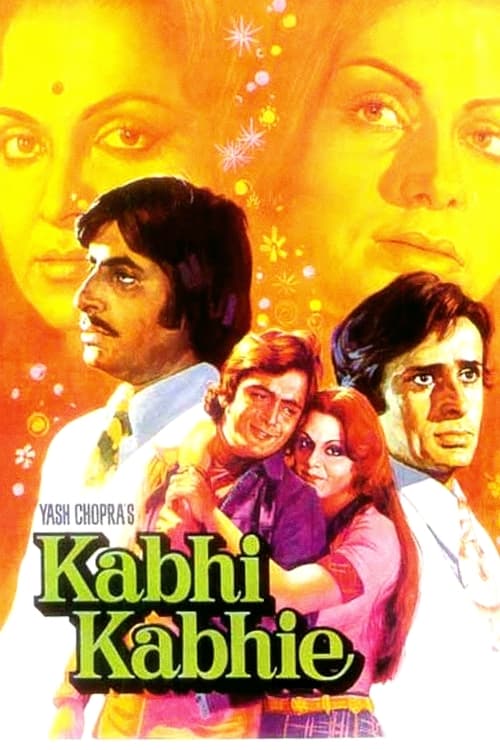
Kabhi Kabhie
1976
No user ratings available yet
Representation score: 2.2 out of 10
Representation Score
Limited
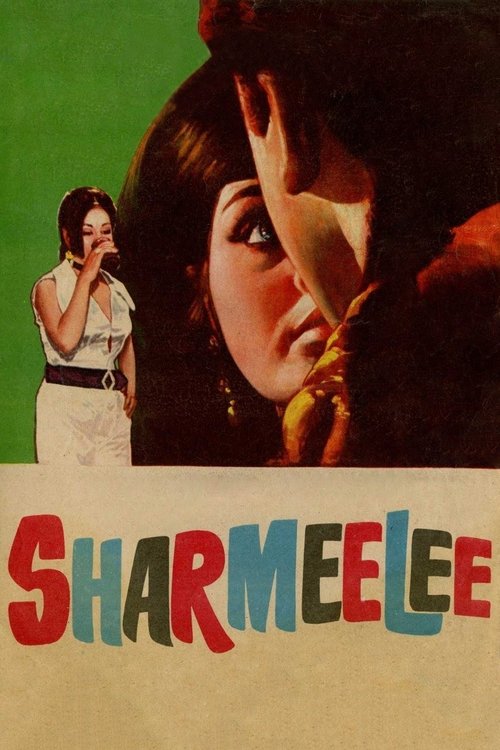
1971
Director
Samir Ganguly
Runtime
164 minutes
Average Rating
No ratings yetNew Showbiz Analysis
Sharmeelee is a period-specific romantic drama that adheres strictly to the social and gender hierarchies of 1971. The plot centers on a male protagonist's romantic confusion involving twin sisters, prioritizing traditional courtship over complex character development. The film functions as a conventional narrative, reinforcing established social institutions rather than challenging them. While it provides South Asian representation, it lacks engagement with underrepresented identities or multi-layered themes. Ultimately, the film serves as a classic example of its era's romantic traditions, focusing on assumptions that everyone is straight or cisgender and standard social expectations.
Category Breakdown
The film focuses on a traditional romantic relationship between a captain and twin sisters. It doesn't include non-binary gender identities or queer narratives, relying instead on assumptions that everyone is straight or cisgender.
The story uses a mistaken identity cliché involving female twins. While the characters have nuanced personalities, their roles are closely tied to the male protagonist's romantic pursuit and perspective.
As a 1971 Indian production, the cast and setting are inherently South Asian. However, the narrative does not engage in deliberate ethnic mixing to disrupt social norms.
The film aligns with established social institutions like military service and traditional courtship. It reinforces standard romantic and social expectations of 1970s Indian society.
There is no mention of characters navigating physical, neurodivergent, or sensory disabilities within the narrative.
Present on Screen
Limited or Absent
Official Synopsis
An army captain falls for an outgoing young woman, but unknowingly weds her shy twin sister.
1976
1997
1982
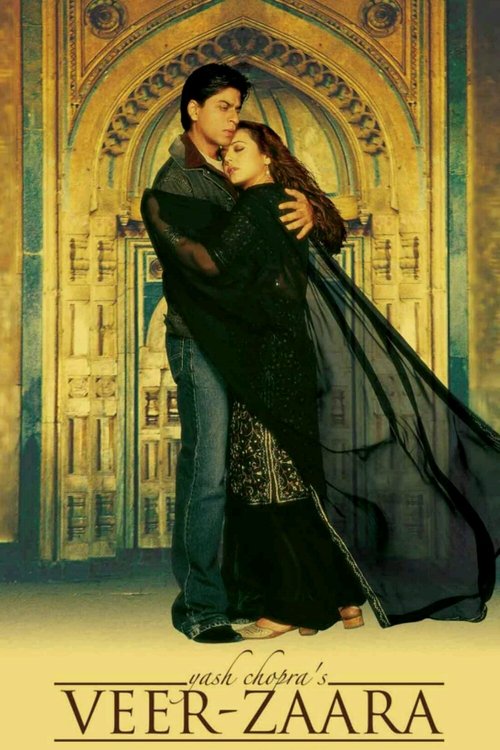
2004

1972
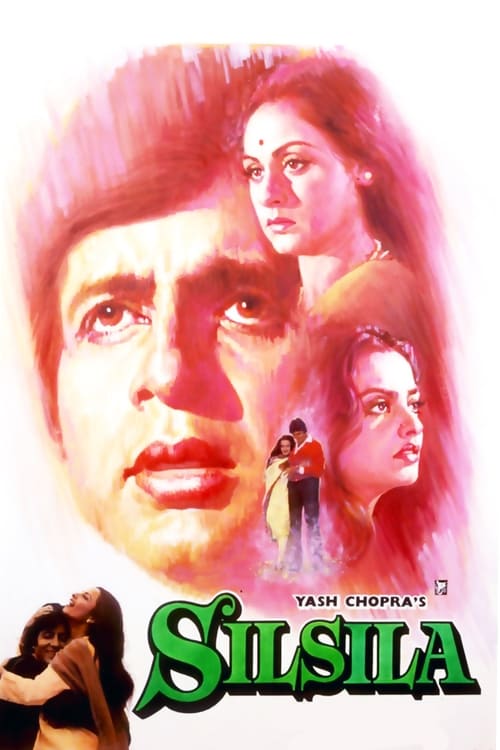
1981
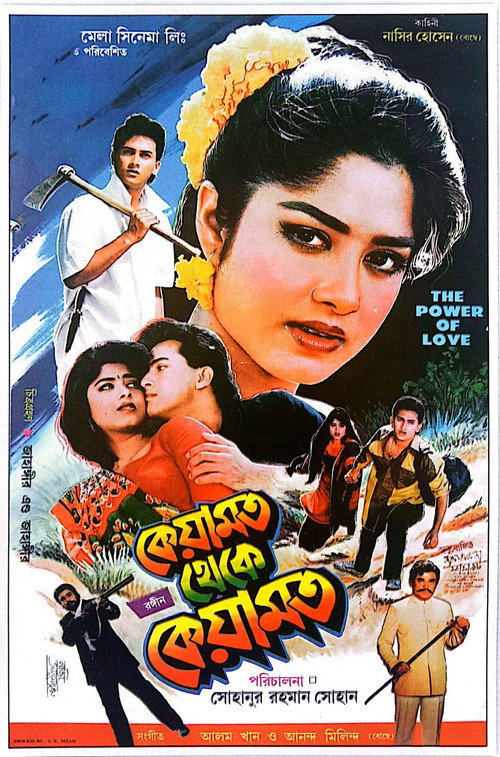
1993
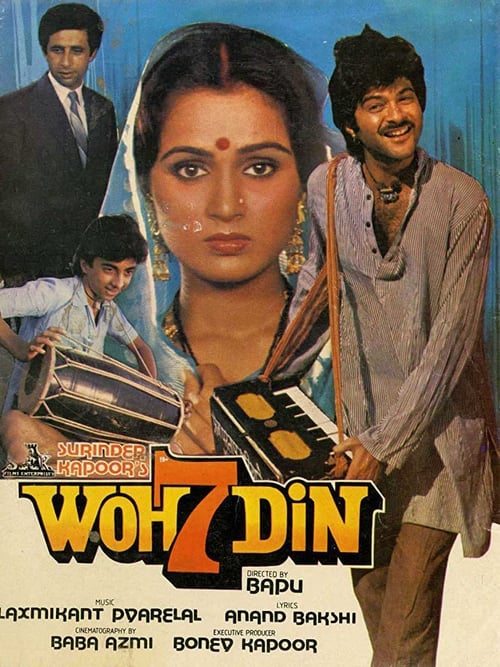
1983
No reviews yet. Be the first to share your thoughts on this movie!
Use the rating form above to leave a star rating and optional review.