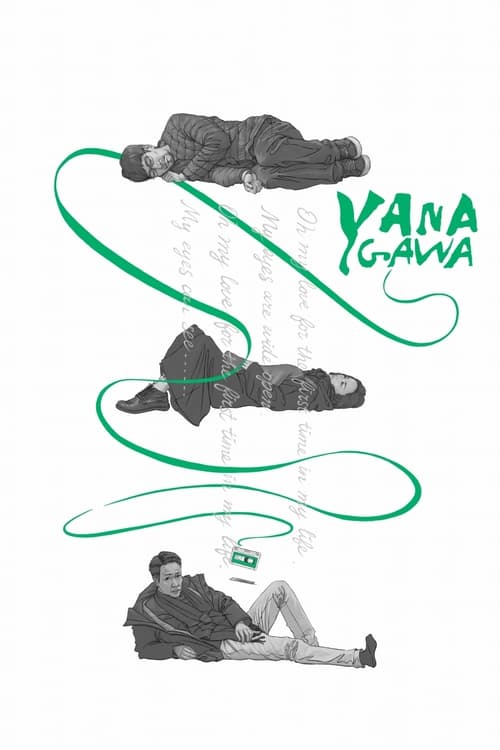
Yanagawa
2022
No user ratings available yet
Representation score: 5.2 out of 10
Representation Score
Fair
2020
Director
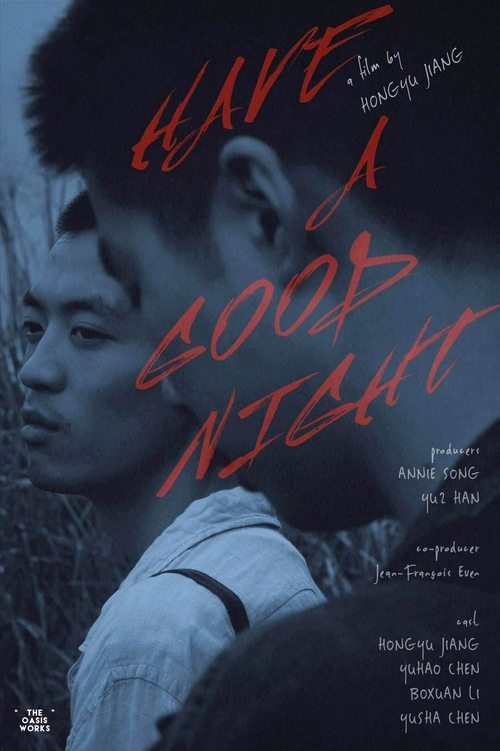
Hongyu Jiang
Runtime
126 minutes
Average Rating
No ratings yetNew Showbiz Analysis
Hongyu Jiang’s film is a sophisticated meta-narrative that uses the framework of documentary filmmaking to explore the boundaries of intimacy. By centering a queer romantic arc, the film disrupts conventional storytelling expectations and elevates the discussion beyond simple romance. The strength of the work lies in its refusal to sanitize its protagonists, offering a complex study of the ethics of representation and the friction between the filmmaker and his subject. While the film excels in queer representation and cultural authenticity, it remains focused on male-centric dynamics, limiting the breadth of its gender exploration, though it presents a more vulnerable form of masculinity.
Category Breakdown
The film centers on a queer romantic relationship, avoiding clichéd storylines by focusing on the subtleties of intimacy and the tension between privacy and public visibility.
The narrative emphasizes male-centric interpersonal relationships, shifting away from traditional patriarchal roles to a more vulnerable, emotionally-driven character study.
The film provides an authentic portrayal of contemporary Chinese life, moving between Beijing and Chengdu while avoiding a Western perspective and focusing on culturally specific social dynamics.
The story explores the ethics of the observer's gaze and cultural exchange, examining the complexities of translating a private life into art for international audiences.
There is no evidence of characters navigating physical or neurodivergent disabilities within the narrative.
Present on Screen
Limited or Absent
Official Synopsis
Xuan is a young man working in the film industry in Beijing. To make a documentary film that he wants to present at international festivals, he decides to take advantage of the holidays of the Day of the Dead to return to Chengdu, his hometown located at the other end of the country. The documentary he is about to make is about his relationship with his own lover. He leaves for Chengdu, accompanied by another man, Bo, the cameraman of the film. The two men take the train to Chengdu where Hong, Xuan's lover, is waiting for them. From the first moment of their arrival at the station, Xuan and Bo begin to turn with their camera, Xuan having already explained to Bo what he wanted to film and that Hong would always be "playing", Bo then trusting in Xuan. But Hong is more and more opposed to this camera and the presence of Bo.
2022
1986
2018

1996
1997

2012

2004

2015
No reviews yet. Be the first to share your thoughts on this movie!
Use the rating form above to leave a star rating and optional review.