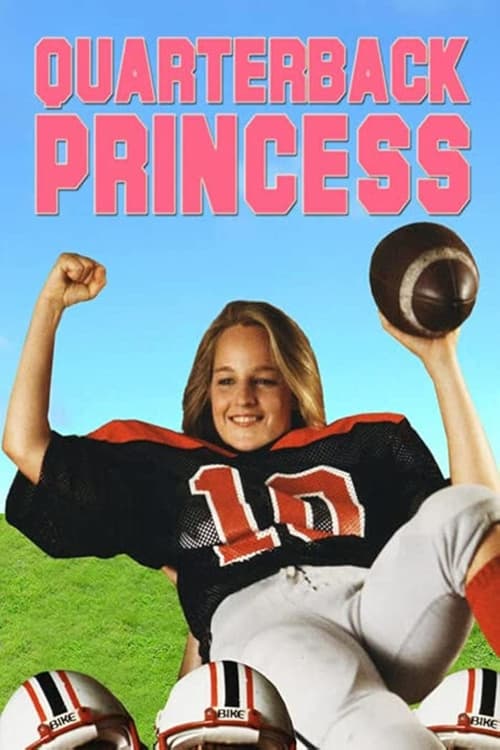
Quarterback Princess
1983
No user ratings available yet
Representation score: 4.5 out of 10

Representation Score
Fair
2000
Director
JoBeth Williams
Runtime
92 minutes
Average Rating
No ratings yetNew Showbiz Analysis
Frankie & Hazel is a character-driven drama that prioritizes women's ability to drive the story. The protagonists actively challenge traditional gendered expectations by pursuing interests and ambitions that fall outside conventional roles. The film presents non-traditional domestic dynamics, such as Frankie's guardianship under her grandmother. It also introduces themes of social change through Hazel's political aspirations. While the film offers meaningful departures from standard family programming, it maintains a conventional social framework and lacks specific LGBTQ+ representation or disability-focused narratives.
Category Breakdown
The film focuses on the platonic friendship between the two leads. It does not include explicit depictions of LGBTQ+ identities or relationships.
The story centers on young women rejecting traditional feminine roles. Frankie chooses baseball over ballet, while Hazel pursues political leadership, challenging conventional gender expectations.
The cast includes actors of various ethnicities, such as Ingrid Uribe. However, the narrative remains centered within a relatively conventional social structure.
The film explores civic engagement through Hazel's activism. It also deconstructs the idealized family unit by focusing on Frankie's life with her grandmother.
There are no visible or invisible disabilities portrayed as central to the character arcs in this narrative.
Present on Screen
Limited or Absent
Official Synopsis
Actress JoBeth Williams directed this Showtime family feature starring The Sixth Sense's Mischa Barton for Barbra Streisand's Barwood Films. Barton is Frankie and Ingrid Uribe is Hazel, Frankie's neighbor and best friend. Frankie is an orphan who lives with her imperious grandmother, Phoebe (Joan Plowright), while Hazel lives with her father and older brother. Frankie's mother was a prima ballerina--killed in a car crash along with her father--and Frankie's been following in her toe shoes ever since. Although she's the best dancer in her class, she'd rather play baseball, whereas Hazel's a local activist who'd rather be mayor. The story strains credibility when 13-year-old Hazel runs for office against the middle-aged incumbent, but Frankie's goal is more understandable, and both actresses make their characters sympathetic and believable. It's as hard not to like them as it is not to root for them to succeed.
1983

2008
2004
1991
2009
2015
1990

2006
No reviews yet. Be the first to share your thoughts on this movie!
Use the rating form above to leave a star rating and optional review.