
María de la O
1959
No user ratings available yet
Representation score: 0.4 out of 10

Representation Score
Limited
1954
Director
Maria Plyta
Runtime
92 minutes
Average Rating
No ratings yetNew Showbiz Analysis
The film serves as a social drama where the main tension is socio-economic rather than identity-based. While it challenges the cliché of a happy engagement through Pitsa's escape, the structure remains tied to mid-century gender roles and traditional social roles. Representation is limited by a focus on localized class struggles. The narrative delves into the pressure of living in a poor neighborhood, but lacks the complexity needed to move beyond standard archetypes of the time.
Category Breakdown
The story focuses on traditional romantic relationships and marriages, with no queer subtext or non-cisgender identities. The narrative does not include any queer subtext or non-cisgender identities.
Pitsa drives the plot through her rebellion against societal pressures, but her role remains reactive. Male characters fill conventional roles such as the honest worker and the playboy.
The setting suggests a homogeneous population with a focus on class distinctions. There is no indication of multi-ethnic casting or characters reflecting multiple aspects of diversity.
The film critiques communal conformity and the conflict between individual desires and community morals. It uses established social archetypes to explore these themes.
The narrative does not include any characters with visible or invisible disabilities.
Present on Screen
Limited or Absent
Official Synopsis
Spyros, an honest young man from a poor neighborhood, owns a small coffee shop. His only friends are the shoe shiner Tsichlas and the drunkard Barba-Stamos. One day, he decides that the time has come to ask for Pitsa's hand in marriage. The poor neighborhood and its people pressure Pitsa, who can't take it anymore and runs away from home during the engagement. She runs into Didi, a playboy who, in an effort to pay off his debts, supplies beautiful girls to a rich old man.
1959

1961

1940
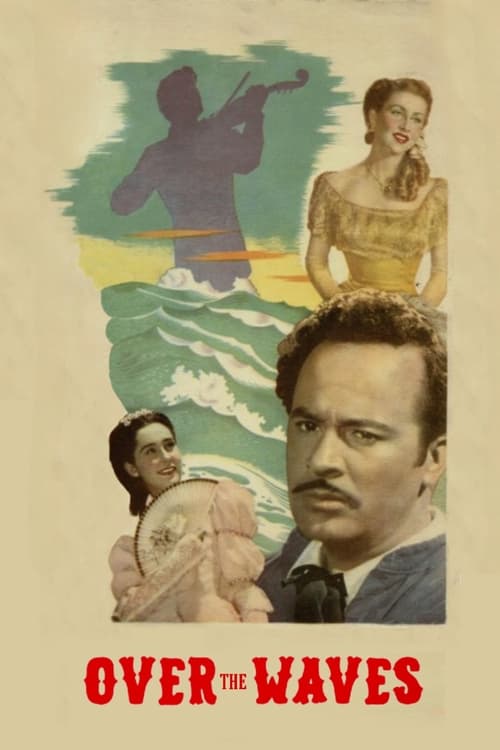
1950
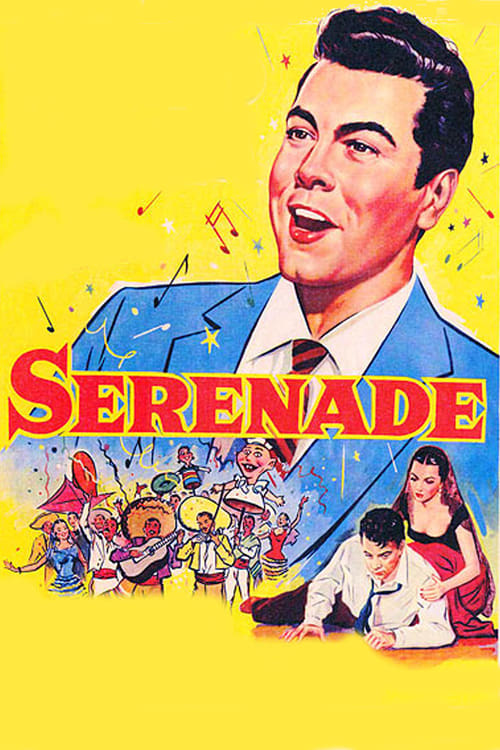
1956

1980
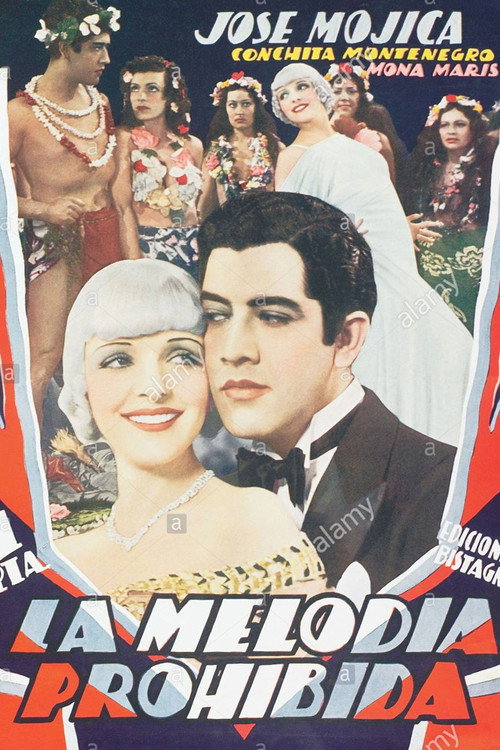
1933
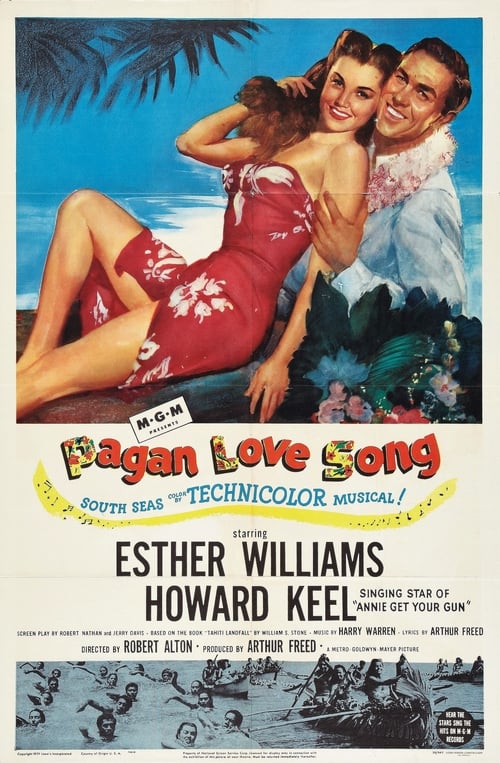
1950
No reviews yet. Be the first to share your thoughts on this movie!
Use the rating form above to leave a star rating and optional review.