Dawg Gawn
1958
No user ratings available yet
Representation score: 0.7 out of 10
Representation Score
Minimal
1955
Director
Paul J. Smith
Runtime
6 minutes
Average Rating
No ratings yetNew Showbiz Analysis
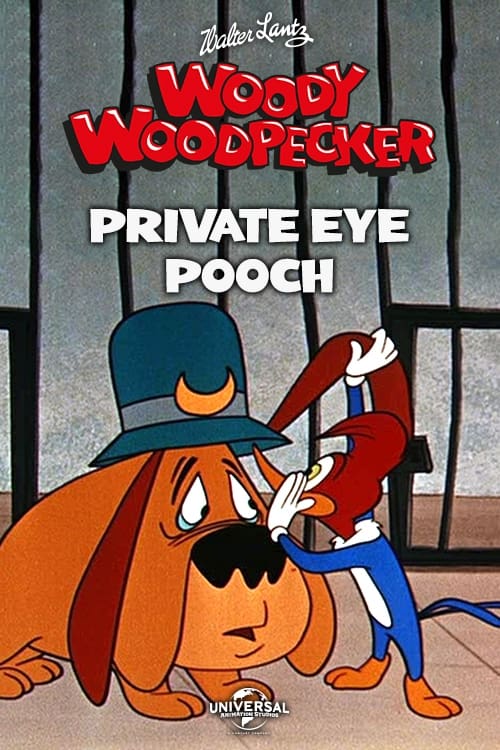
Private Eye Pooch is a product of mid-century animation standards, focusing on a straightforward chase narrative without much social complexity. The story centers solely on the conflict between the escaping Woody and the pursuing guard dog. The film lacks depth in representing various identities and cultural perspectives, relying on traditional formulas that do not challenge existing social hierarchies. It operates within a conventional framework typical of 1955 productions. Ultimately, the work offers a narrow demographic focus, providing little representation of diverse identities, genders, or cultural backgrounds.
Category Breakdown
The film does not include any LGBTQ+ characters or non-cisgender identities. The story follows a traditional chase format without any queer symbolism.
The story centers around a male-dominated or animal-focused conflict between Woody and a guard dog. There is no visible female influence or subversion of gender roles.
The animal-focused conflict reflects the era's preference for homogeneous character types. There is no evidence of diverse ethnic backgrounds or race-bent casting.
The plot follows a standard order-versus-chaos dynamic within a taxidermy school. It upholds established social structures without critiquing Western institutions or cultural norms.
While the protagonist is a prisoner, there is no indication that this serves as a metaphor for disability. No specific representation of neurodivergence or physical disability is present.
Present on Screen
Limited or Absent
Official Synopsis
Woody is prisoner at a taxidermy school but when it is his turn to be used, he escapes. The guard dog is put in charge of retrieving him.
1958
1946
1956
1947
1958
1952
1944
1955
No reviews yet. Be the first to share your thoughts on this movie!
Use the rating form above to leave a star rating and optional review.