
The Search for Life in Space
2016
No user ratings available yet
Diversity score: 4.1 out of 10
2022
Director
Florence Tran
Runtime
55 minutes
Average Rating
No ratings yetSynopsis
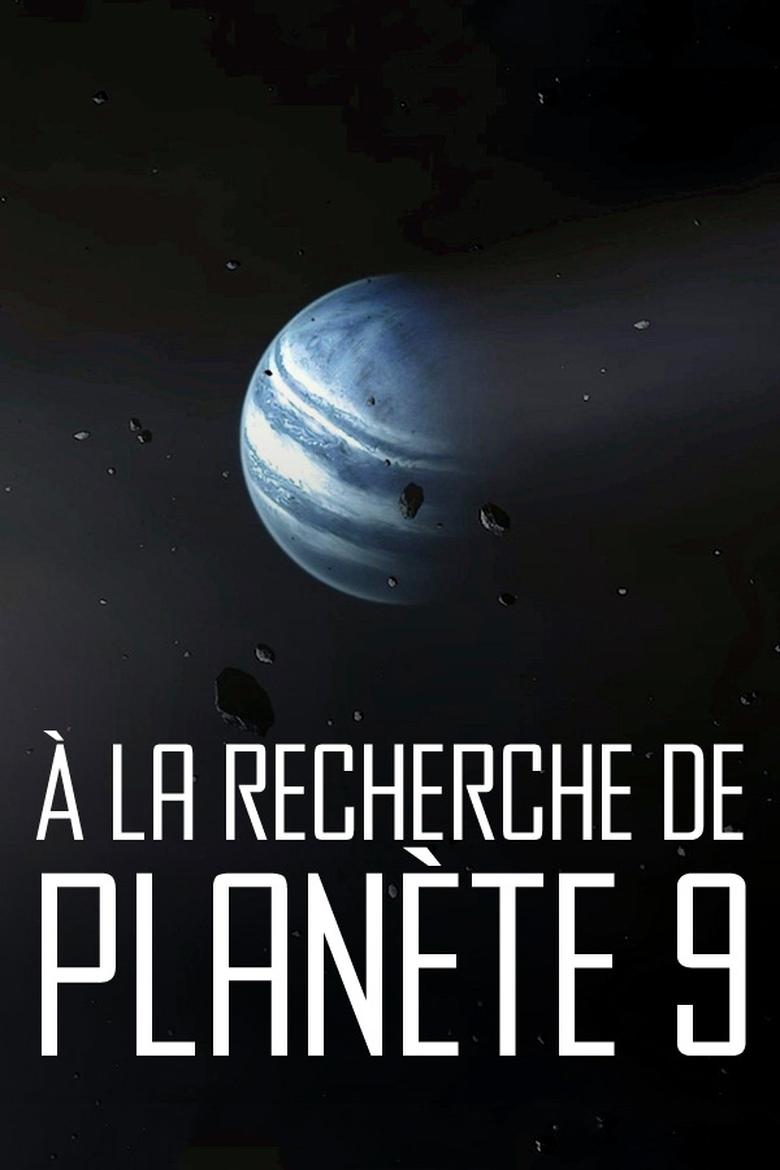
At the edge of our solar system supposedly lies an immense planet. Five to ten times the size of the Earth. Several international teams of scientists have been competing in a frantic race to detect it, in uncharted territories, far beyond Neptune. The recent discovery of several dwarf planets, with intriguing trajectories, have put astronomers on the trail of this mysterious planet. Why is this enigmatic planet so difficult to detect? What would a ninth planet teach us about our corner of the universe? Could it help us unlock some of the mysteries of our solar system?
Overall Score
Fair
Category Breakdown
LGBTQ+ Representation
The documentary focuses strictly on astronomical data and international scientific teams. There are no LGBTQ+ character arcs or gender-identity narratives present in the subject matter.
Gender Representation
The film presents a neutral baseline of professional inclusion within scientific teams. It avoids gendered conflict, focusing instead on the technical aspects of the planetary search.
Racial & Ethnic Diversity
The narrative emphasizes international scientific collaboration, which disrupts a Western-centric viewpoint. This framework suggests a high degree of ethnic and national diversity among the professional cohorts.
Religious & Cultural Diversity
The film prioritizes a secular, scientific worldview over religious explanations. It favors a universalist, knowledge-based perspective through the lens of global cooperation.
Disability Representation
The documentary focuses on celestial mechanics and technical data. There is no information regarding the depiction of individuals with physical or neurodivergent disabilities.
Strengths
Areas for Improvement
AI Analysis
Searching for Planet 9 functions primarily as an educational tool centered on empirical research. Its value lies in its emphasis on globalism and secular scientific inquiry rather than the deconstruction of social identities. The documentary format naturally prioritizes astronomical subject matter over the social agency of its participants. The film succeeds in presenting a non-Western-centric view of scientific progress. By highlighting international teams, it moves away from singular nationalistic narratives in favor of a collaborative, globalized perspective. However, the lack of character-driven tropes means that traditional identity-based representation is minimized. The focus remains on the technical pursuit of a hypothetical planet rather than the social dynamics of the researchers.
2016

2017

2019
2021

2012

2014

2014

2019

2022

2010

2017

2020
No reviews yet. Be the first to share your thoughts on this movie!
Use the rating form above to leave a star rating and optional review.