Girl on the Edge
2015
No user ratings available yet
Representation score: 7.0 out of 10
Representation Score
Fair
2026
Director
Louie Ignacio
Runtime
97 minutes
Average Rating
No ratings yetNew Showbiz Analysis
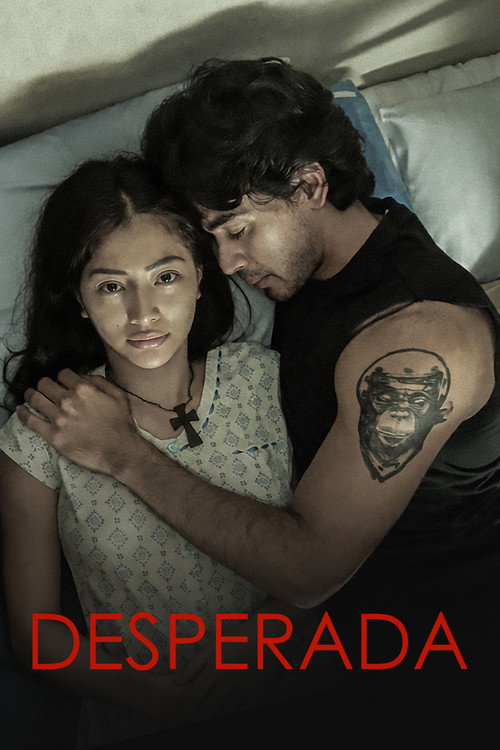
Desperada opens with Miriam, a former nun, pulling a soaked, traumatized woman from the streets, immediately establishing a world where private charity supersedes state failure. The film’s argument is clear: institutional systems are broken, but individual moral duty, led by competent women, can rebuild human dignity. Miriam’s authority is unchallenged; she manages the shelter’s finances, medical care, and emotional labor with a calm, maternal precision that contrasts sharply with the chaos of her wards’ pasts. The camera lingers on her interactions with Brenda, framing their bond as a secular redemption arc where love, not faith, is the ultimate cure. The film’s internal logic, however, reveals a tension between its progressive framing and its traditional underpinnings. While Miriam rejects the convent’s rigid structures, her moral code remains deeply rooted in Christian charity, treating the shelter’s residents as "angels" who require salvation rather than autonomy. The narrative sells a vision of female competence as the antidote to systemic failure, yet it never questions the power dynamics of care itself. Brenda’s trauma is managed, not resolved, and the film’s ending suggests that healing is a perpetual state of managed dependency rather than true independence. The last image settles on Miriam and Carla, their partnership framed as a modern, secular family. The film rewards their moral clarity and penalizes the state’s indifference, positioning private wealth and personal duty as the only reliable sources of safety. It is a warm, humanist portrait that champions women’s authority and emotional labor, but it stops short of challenging the paternalistic structures of care it so earnestly upholds. The camera loves Miriam’s competence, but it never fully lets Brenda speak for herself, leaving the film’s progressive promise slightly incomplete.
Category Breakdown
No queer characters or same-sex intimacy appear. Romantic and familial bonds are exclusively heterosexual, conforming to traditional gender roles without deviation.
Miriam, a former nun, commands the shelter with absolute authority over finances and care. The narrative frames women’s competence and emotional labor as the primary source of healing.
The cast is entirely Filipino, reflecting the local setting without explicit racial commentary. The narrative treats the local demographic as the unmarked default.
Miriam’s secular charity replaces institutional church authority, treating the state as inadequate. The film positions chosen family and personal moral duty as superior to government systems.
Brenda’s mental illness is portrayed as a condition requiring long-term, compassionate management rather than a quick cure. The narrative validates ongoing care and institutional support as a dignified response.
Present on Screen
Limited or Absent
Official Synopsis
Desperada follows a deeply traumatized young woman rescued from the streets and brought to a shelter for the mentally ill, where—amid broken souls and painful pasts—she discovers healing and unexpected love that proves even the most damaged hearts can still hope.
2015
1994

2013
2016
2020

2014
2018

2019
No reviews yet. Be the first to share your thoughts on this movie!
Use the rating form above to leave a star rating and optional review.