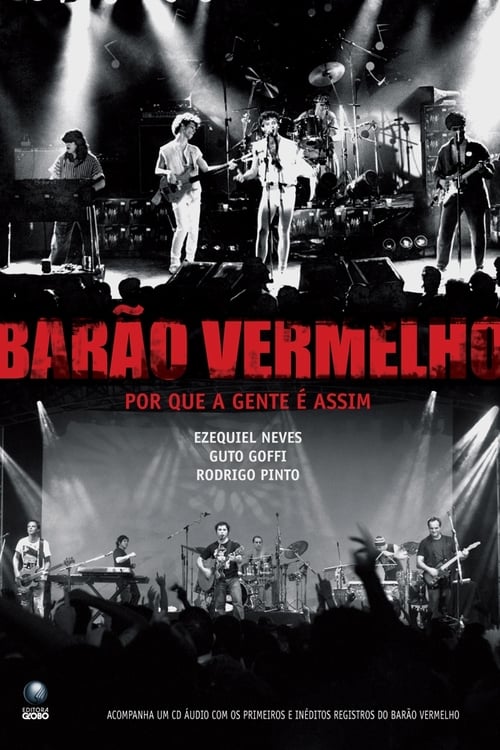
Barão Vermelho: Por que a gente é assim?
2017
No user ratings available yet
Representation score: 5.2 out of 10

Representation Score
Fair
2009
Director
Branco Mello, Oscar Rodrigues Alves
Runtime
100 minutes
Average Rating
No ratings yetNew Showbiz Analysis
This documentary serves as an archival reconstruction of the band Titãs, offering high ability to act through its direction by band member Branco Mello. It avoids the outsider gaze by allowing the artists to control their own historical representation. While the film lacks explicit focus on identity politics or specific LGBTQ+ and gendered narratives, it captures the socio-political flux of Brazil, moving from military rule to democracy. The representation is largely a reflection of the era's rock scene, which is male-centric but exists within a multi-ethnic Brazilian context. It challenges monolithic national narratives through its documentation of counter-cultural evolution.
Category Breakdown
The film focuses on musical history and personal journeys rather than LGBTQ+ identities. Queer relationships are not a primary narrative driver.
The main group is male-dominated, reflecting the rock scene of the era. However, the film captures women's roles on the periphery of the movement and the changing social landscape.
The subjects reflect the racial diversity of Brazil's urban landscape. The documentary captures a movement that transcended specific racial boundaries during the 1980s.
The narrative documents a counter-cultural movement during Brazil's transition from dictatorship to democracy. It emphasizes the artists' subjective truths over sanitized, institutionalized histories.
There is no significant evidence regarding the portrayal of visible or invisible disabilities within the archival footage or synopsis.
Present on Screen
Limited or Absent
Official Synopsis
Brazilian documentary that tells the story of Titãs, the most famous rock band in the country. The film was directed by one of the members, Branco Mello, using images recorded from the early 80's until the present day.
2017
2021
2020
2021
2011
2008
2015
2012
No reviews yet. Be the first to share your thoughts on this movie!
Use the rating form above to leave a star rating and optional review.