The Perfect Bride
1991
No user ratings available yet
Diversity score: 2.8 out of 10
1973
Director
Dan Curtis
Runtime
72 minutes
Average Rating
No ratings yetSynopsis
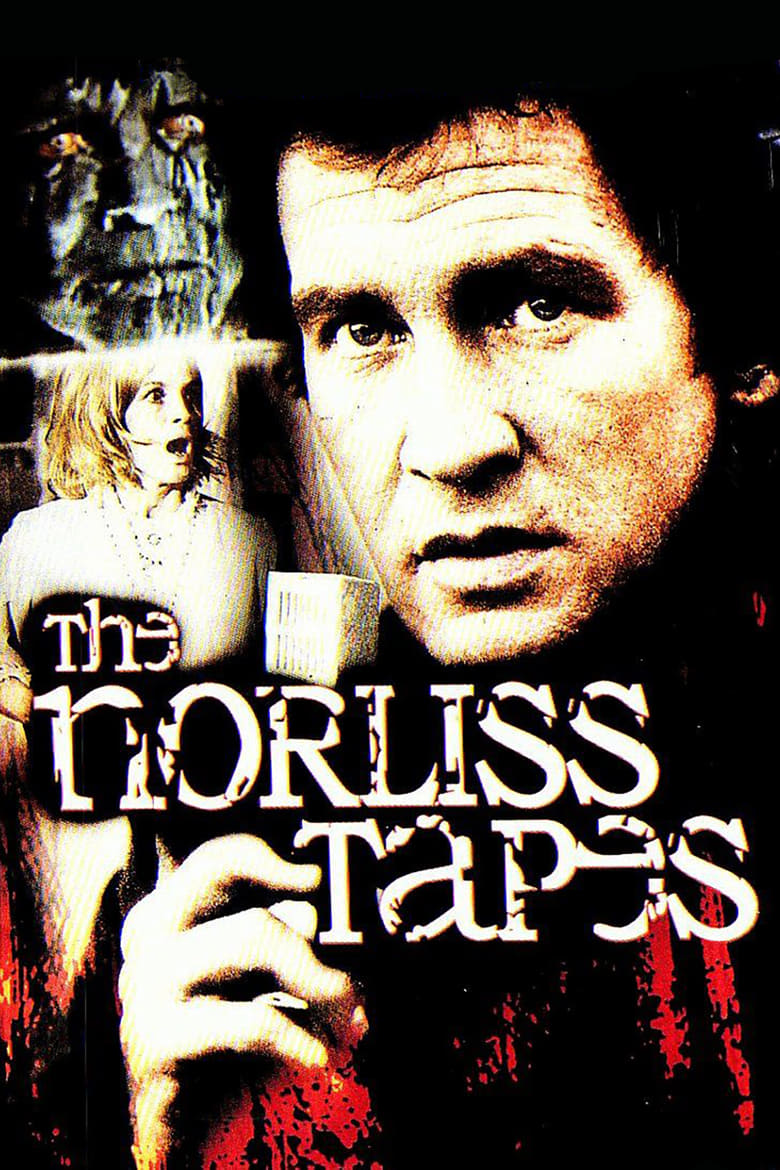
A newspaper publisher listens to the personal tapes of investigative reporter David Norliss, who has disappeared during an investigation. The tapes tell the story of that investigation, involving a recent widow whose late husband has been seen working in his private studio. As Norliss and the widow investigate, they unravel a plot involving Voodoo and the walking dead.
Overall Score
Limited
Category Breakdown
LGBTQ+ Representation
The film lacks any depiction of non-heteronormative identities or same-sex intimacy. The narrative focus remains strictly on a widow and an investigative reporter.
Gender Representation
A female protagonist provides a degree of agency by participating in the investigation. However, the roles largely adhere to standard 1970s genre archetypes.
Racial & Ethnic Diversity
The plot utilizes Voodoo as a central element, suggesting Afro-Caribbean motifs. It is unclear if these elements provide meaningful representation or serve as mere horror tropes.
Religious & Cultural Diversity
Voodoo is used primarily as a supernatural plot device to drive the mystery. The film lacks any significant critique of Western institutions or religious structures.
Disability Representation
There is no information available regarding the portrayal of characters with physical or neurodivergent disabilities.
Strengths
Areas for Improvement
AI Analysis
The Norliss Tapes functions as a traditional supernatural thriller that prioritizes atmospheric tension and mystery over social commentary. While it features a female lead engaging in investigative work, the character dynamics appear to follow established genre conventions of the early 1970s. The film's reliance on Voodoo as a central plot device introduces Afro-Caribbean cultural motifs, yet it remains unclear if these are handled with depth or used as superficial horror elements. The narrative structure focuses on solving a supernatural conspiracy rather than exploring identity or systemic hierarchies. Ultimately, the work serves as a conventional genre piece. It leans into established tropes of the era, offering little in the way of intentional subversion regarding gender, race, or sexual orientation.
1991
1985
1973
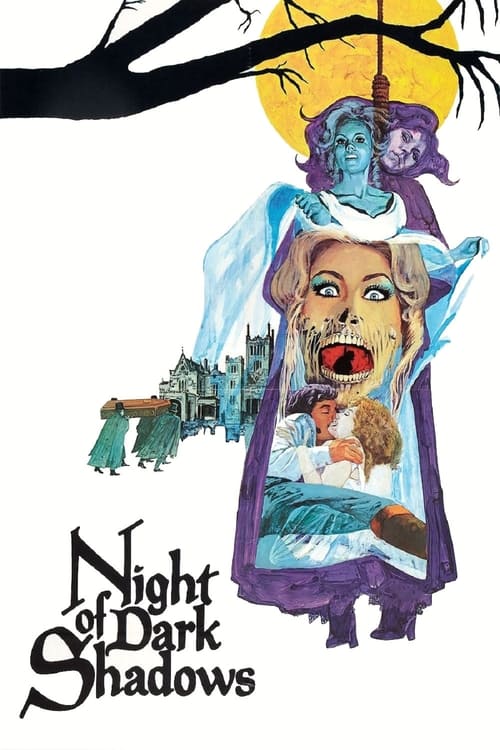
1971
No reviews yet. Be the first to share your thoughts on this movie!
Use the rating form above to leave a star rating and optional review.