Find another title
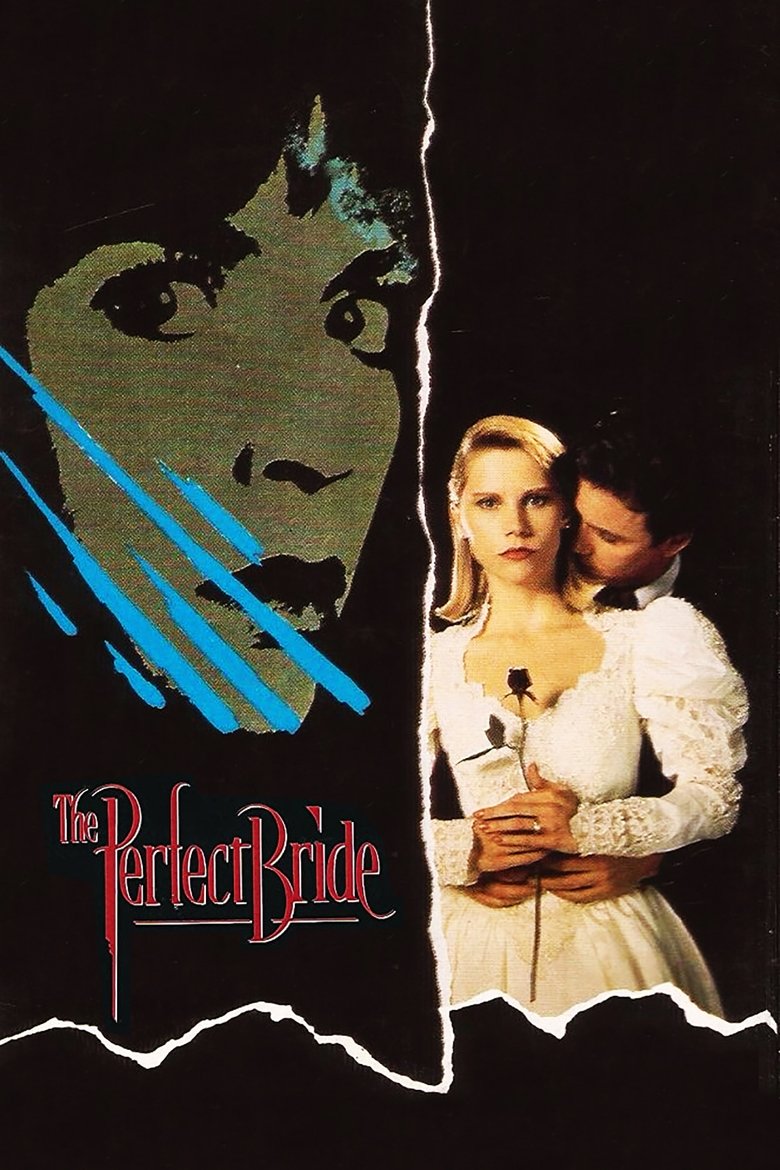
The Perfect Bride
1991
Director
Terrence O'Hara
Runtime
94 minutes
Average Rating
No ratings yetSynopsis
A young woman begins to suspect that her brother's young fiancée, an attractive Englishwoman, is actually a serial killer who kills men on the eve of their weddings.
Where to Watch
Diversity & Representation
Overall Score
Limited
Category Breakdown
LGBTQ+ Representation
The story centers on a heteronormative conflict between a fiancée and her future husband. There is no evidence of non-cisnormative identities or queer perspectives within the premise.
Gender Representation
The film utilizes the 'femme fatale' trope, positioning the female lead as a predatory figure. This often reinforces historical tropes of female instability rather than subverting gender roles.
Racial & Ethnic Diversity
The narrative focuses on Western, Anglo-Saxon identities, specifically centering on an Englishwoman. The cast appears to reflect a homogeneous demographic typical of early 90s television.
Religious & Cultural Diversity
The plot prioritizes the sanctity of the wedding ritual and the traditional family unit. It functions to protect the domestic sphere rather than critiquing Western institutions.
Disability Representation
The synopsis provides no mention of characters with visible or invisible disabilities.
Strengths
- The use of the femme fatale archetype provides a central, high-stakes conflict driven by a powerful female antagonist.
Areas for Improvement
- The film lacks racial and ethnic diversity, focusing almost exclusively on Western/Anglo-Saxon identities.
- The narrative adheres to heteronormative tropes, offering no representation for LGBTQ+ identities.
- The story reinforces traditional gender stereotypes by framing female agency through the lens of domestic threat and instability.
AI Analysis
The film operates within the standard genre conventions of early 1990s television thrillers. It relies heavily on established archetypes that prioritize Western-centric identities and traditional domestic structures. Representation is limited by a focus on heteronormative romance and a homogeneous, Anglo-Saxon cast. The narrative lacks intersectional depth, functioning instead as a conventional mystery centered on a singular, Western-coded threat. While the female lead occupies a position of power as a killer, this role leans into the 'dangerous woman' trope. This reinforces rather than challenges traditional gender hierarchies.
Rate this Movie
Reviews
No reviews yet. Be the first to share your thoughts on this movie!
Use the rating form above to leave a star rating and optional review.