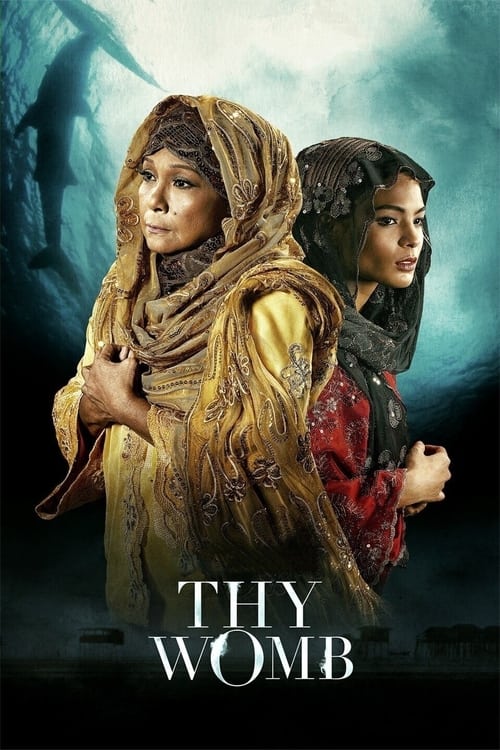
Thy Womb
2012
No user ratings available yet
Representation score: 7.7 out of 10

Representation Score
Good
1998
Director
Marilou Diaz-Abaya
Runtime
113 minutes
Average Rating
No ratings yetNew Showbiz Analysis
Marilou Diaz-Abaya’s work stands out for its disruption of conventional social structures. By placing a male protagonist in the field of midwifery, the film challenges traditional notions of masculinity and professional gender roles. The film’s strength lies in its cultural specificity. It avoids Western storytelling norms, offering a rich, localized perspective on coming-of-age that prioritizes the ability to act of a remote Filipino community. While the film lacks explicit LGBTQ+ identities or disability representation, it compensates through a nuanced exploration of social fluidity and the subversion of established community expectations.
Category Breakdown
The film does not explicitly depict LGBTQ+ identities or same-sex intimacy. However, it subtly deconstructs traditional gender roles through Pepito’s resistance to stereotypical female labor.
The film challenges traditional gender hierarchies by placing a male protagonist in a female-dominated profession. Rosa acts as a strong female figure, questioning the idea that only men can lead the community.
The story focuses on a local Filipino fishing community, avoiding a Western perspective. It centers on the lived experiences and empowerment of an indigenous island population.
The film emphasizes communal beliefs and local traditions rather than strict external moral codes. It explores wisdom through the lens of navigating social pressures within a non-Western context.
The film does not depict any physical or neurodivergent disabilities.
Present on Screen
Limited or Absent
Official Synopsis
In a remote fishing island in the '50s, Pepito grows up learning the trade of his mother, Rosa, the only midwife capable of delivering the newborn babies of their community. At first, the young son doesn't mind the unusual arrangement, but as he grows older, he begins to resist the role traditionally meant only for women. In time, Pepito's coming of age intersects with the lives of the other islanders, whose beliefs and struggles become critical impetus to his maturity.
2012

1983

2016

2019

2013

2005
2004

2003
No reviews yet. Be the first to share your thoughts on this movie!
Use the rating form above to leave a star rating and optional review.