Tweet Tweet Tweety
1951
No user ratings available yet
Representation score: 0.2 out of 10
Representation Score
Minimal
1951
NRDirector
Friz Freleng
Runtime
7 minutes
Average Rating
No ratings yetNew Showbiz Analysis
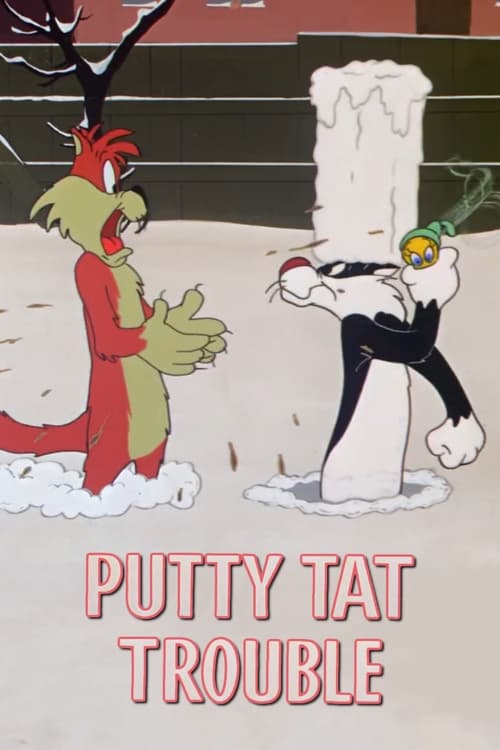
Putty Tat Trouble is a quintessential mid-century slapstick short that prioritizes rhythmic timing and physical comedy over social depth. The narrative follows a predictable predator-and-prey structure, focusing on Tweety Bird's evasion of Sylvester and a one-eyed cat. Because the characters are anthropomorphic animals, the film lacks meaningful representation of human social identities. The storytelling operates within a vacuum of traditional archetypes, where the resolution is achieved through environmental manipulation and the physical incapacitation of the antagonists. Ultimately, the film functions as a standard piece of animation from its era. It does not attempt to challenge social hierarchies or provide nuanced character studies, instead relying on the established status quo of cause and effect.
Category Breakdown
The film focuses solely on interspecies conflict and survival. There is no representation of LGBTQ+ identities or gender non-conformity.
Gender roles are implied through anthropomorphic characters. The conflict relies on predatory instincts and slapstick humor, avoiding any subversion of gendered power dynamics.
The cast consists of singular species archetypes within an urban setting. The narrative lacks racial or ethnic complexity, reflecting the homogeneous standards of 1950s animation.
The story reinforces traditional Western comedic structures centered on individual triumph. It lacks engagement with religious themes or broader socio-political frameworks.
A one-eyed cat is featured, but his impairment is a visual trait rather than a depiction of lived experience. Physical vulnerability is used only for comedic effect.
Present on Screen
Limited or Absent
Official Synopsis
Tweety Bird is shoveling out his nest atop a city pole after a snowstorm and is spotted by Sylvester Cat and a one-eyed orange tabby, who fight over Tweety. Tweety runs into a cellar where he befriends a wooden dunking bird. The two cats then chase Tweety into a park and onto a sheet of ice covering a pond. Tweety cuts a circle around the cats so that they fall into the freezing water and become bedridden with cold.
1951
1953
1956
1949
1958
1955
1957
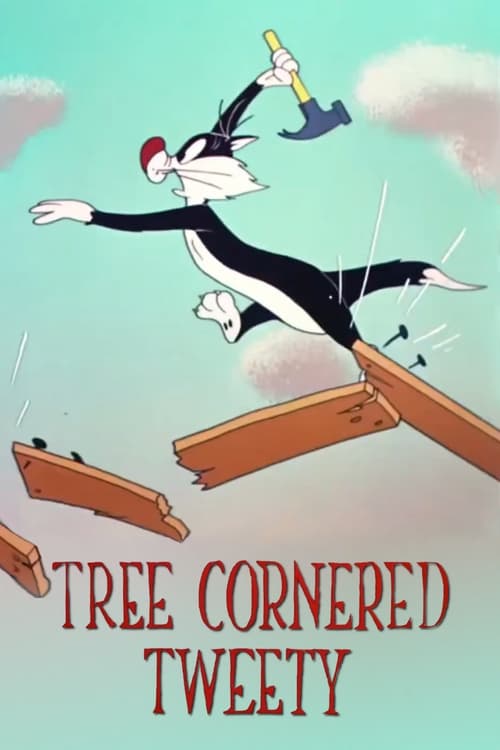
1956
No reviews yet. Be the first to share your thoughts on this movie!
Use the rating form above to leave a star rating and optional review.