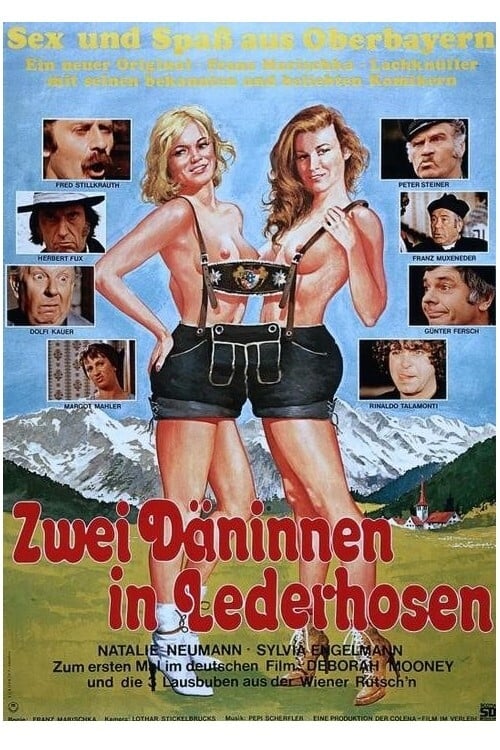
Love 'n' Leather Pants
1979
No user ratings available yet
Representation score: 2.0 out of 10
Representation Score
Fair
1969
Director
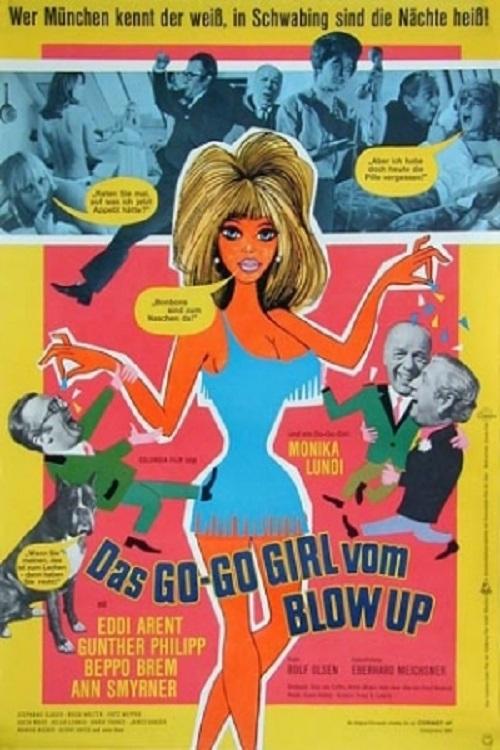
Rolf Olsen
Runtime
98 minutes
Average Rating
No ratings yetNew Showbiz Analysis
Rolf Olsen’s comedy critiques institutional hypocrisy, contrasting the moralistic stance of political figures with the perceived immorality of a Munich nightclub. The film explores the tension between traditional social structures and the sexual revolution of the late 1960s. The narrative highlights female economic independence and autonomy through Monique, providing a layer of progressive empowerment rarely seen in period genre cinema. However, the film lacks multi-layered depth. It remains largely homogeneous in terms of race and LGBTQ+ representation, focusing its subversive energy on class and moral relativism rather than identity politics.
Category Breakdown
The film does not explicitly address queer narratives or non-straight relationships. Instead, it focuses on social transgressions typical of the late 1960s.
Monique is a proactive female character who uses her economic independence to fund her education. She navigates and manipulates male-dominated political structures, challenging traditional gender roles.
The film reflects the demographic homogeneity of 1969 Munich. There is no evidence of a diverse or non-Anglo-Saxon majority cast.
The film portrays political figures as hypocritical, challenging the rigid moralism of the established social order. It emphasizes situational ethics over traditional moralism.
There is no evidence within the film's context to suggest the inclusion of characters with visible or invisible disabilities.
Present on Screen
Limited or Absent
Official Synopsis
Monique finances her medical studies as a go-go dancer in a Munich nightclub. Her relatives, who are involved in local politics, want the club, which they consider immoral, closed down, but during an inspection tour they take a liking to the establishment themselves, taking indecent photos on behalf of the club owner. This leads to an intriguing story full of lies and blackmail, from which everyone involved tries to get out without losing face.
1979
1967
1974

1996

1980
1974
1971
1975
No reviews yet. Be the first to share your thoughts on this movie!
Use the rating form above to leave a star rating and optional review.