Helpless
2012
No user ratings available yet
Representation score: 6.7 out of 10
Representation Score
Fair
2016
Director
Lee Cheol-ha
Runtime
91 minutes
Average Rating
No ratings yetNew Showbiz Analysis
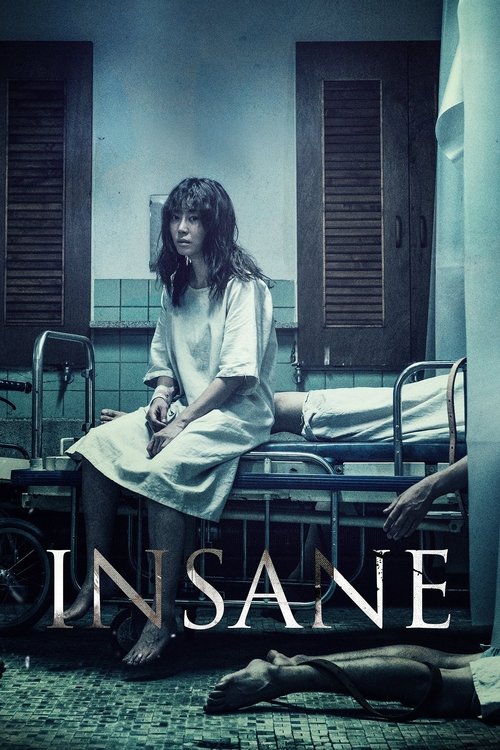
Insane operates strictly within the conventions of the South Korean mystery-thriller genre. The narrative architecture prioritizes suspense, plot mechanics, and the investigation of a singular crime over deconstructing social hierarchies or multi-layered identities. The focus remains on individual trauma and the mechanics of a kidnapping rather than systemic social critique. While the film features characters with mental health conditions and female protagonists, these roles often align with traditional genre clichés. The focus remains on suspense and individual trauma rather than challenging established cultural norms.
Category Breakdown
The film does not include explicit LGBTQ+ characters or narratives. The plot centers on kidnapping and psychiatric investigation without exploring non-straight or non-cisgender identities.
A female character is portrayed as a victim of kidnapping and torture, which may utilize 'damsel in distress' clichés. However, an investigative journalist provides a sense of control and ability to act.
As a South Korean production, the cast appears predominantly homogenous. There is no evidence of intentional racial blending or challenging ethnic hierarchies.
The psychiatric hospital setting explores institutional power, but the story follows a conventional mystery structure. It lacks a clear critique of systemic or religious institutions.
Characters with mental health conditions are central to the setting. There is a risk these figures serve as plot devices for suspense rather than nuanced portrayals of neurodivergence.
Present on Screen
Limited or Absent
Official Synopsis
A woman gets kidnapped in the middle of the day and is tortured in a psychiatric hospital. A Journalist gets on the trace of the case and tries to find out the truth.
2012
2021
2015

2017
2011

2015
2018

2013
No reviews yet. Be the first to share your thoughts on this movie!
Use the rating form above to leave a star rating and optional review.