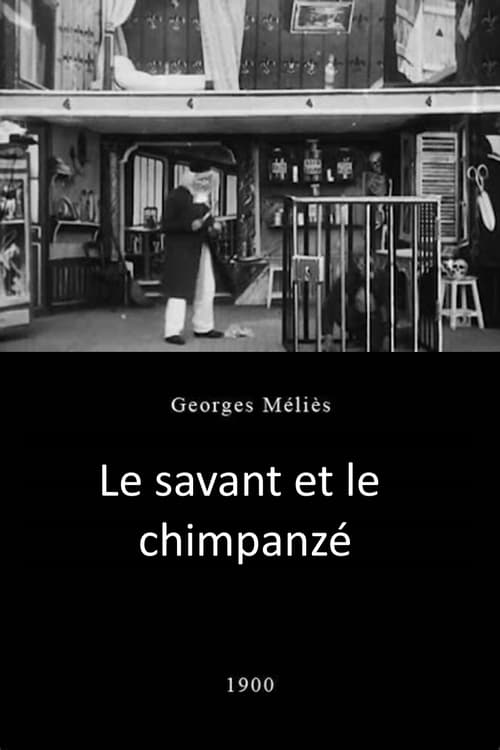
The Doctor and the Monkey
1900
No user ratings available yet
Representation score: 1.4 out of 10
Representation Score
Limited
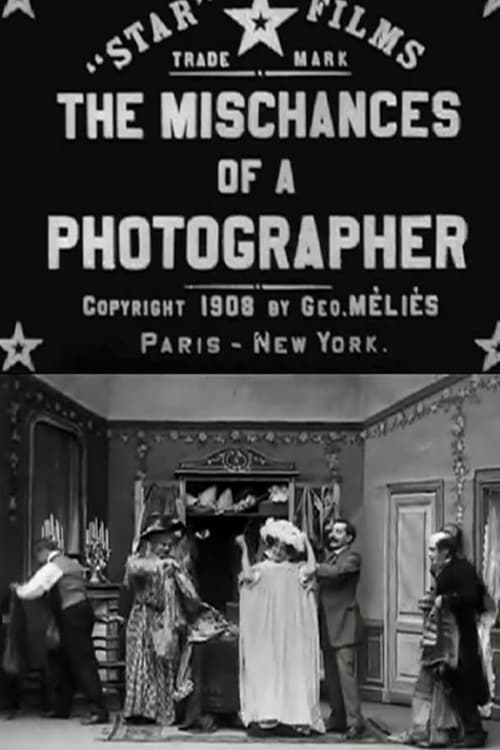
1908
Director
Georges Méliès
Runtime
3 minutes
Average Rating
No ratings yetNew Showbiz Analysis
Georges Méliès' early silent comedy reflects the demographic norms of 1908 France. The narrative focuses on male interactions, limiting gender diversity. Despite the absence of modern multi-layered elements, the film subtly challenges social hierarchies. The central plot of a child seeking retribution against a professional authority figure represents a narrative of individualistic rebellion. Overall, the work adheres to the traditional family structures and homogeneous casting typical of its time, lacking diverse representation.
Category Breakdown
The film does not include any LGBTQ+ identities or narratives. It focuses on a traditional family structure.
The story revolves around a power struggle between a male photographer and a young boy. Female characters do not have prominent roles or ability to act in the main conflict.
The film likely reflects the homogeneous demographics of 1908 France. There is no indication of race-bent casting or intentional ethnic diversity.
The story examines themes of challenging institutional authority. A child's act of revenge against a professional authority figure disrupts traditional hierarchies.
There are no characters with physical or neurodivergent disabilities in the film.
Present on Screen
Limited or Absent
Official Synopsis
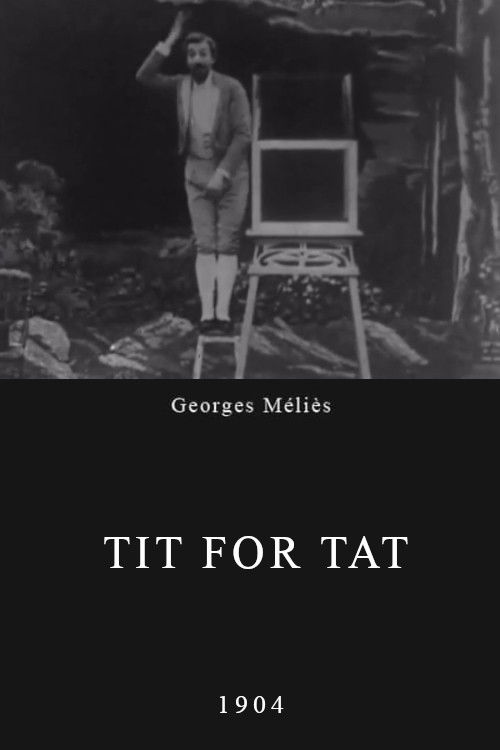
A family goes to a photographer. The photographer pushes the boy around, and no one seems to care. The boy gets his revenge.
1900

1928
1900
1906
1908
1908
1906
1904
No reviews yet. Be the first to share your thoughts on this movie!
Use the rating form above to leave a star rating and optional review.