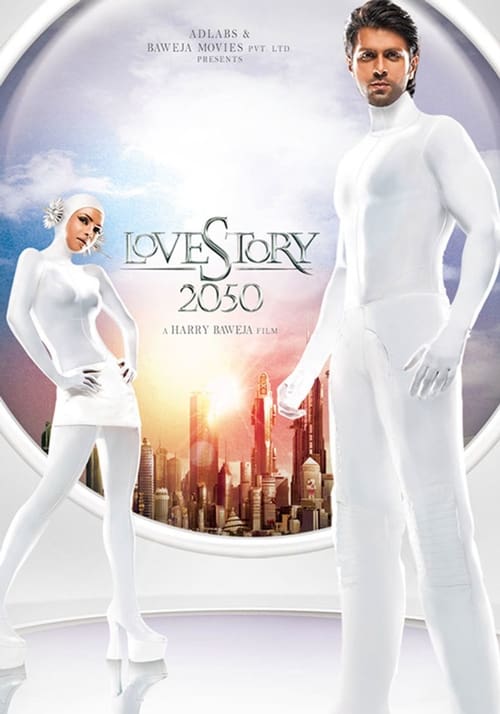
Love Story 2050
2008
No user ratings available yet
Diversity score: 3.8 out of 10

1983
Director
Nobuhiko Obayashi
Runtime
104 minutes
Average Rating
No ratings yetSynopsis
Kazuko Yoshiyama is a third-year junior-high-school student. One day, while cleaning the lab, she smells lavender and faints. From then on, she has the power to travel through time.
Overall Score
Fair
Category Breakdown
LGBTQ+ Representation
The film explores the social and romantic complexities of junior high school life. While it lacks explicit non-heteronormative identity markers, the dreamlike structure allows for a departure from rigid social scripts.
Gender Representation
Kazuko Yoshiyama is a proactive protagonist who drives the plot through her mastery of time. This portrayal of intellectual and existential agency challenges the trope of female characters serving as mere romantic catalysts.
Racial & Ethnic Diversity
The production presents a relatively homogeneous Japanese social environment consistent with its era. It focuses on a specific cultural zeitgeist rather than actively engaging in the blending of diverse ethnic identities.
Religious & Cultural Diversity
Obayashi uses a postmodern style that prioritizes subjective experience over traditional moral progression. The focus on individual perception aligns with a secular, subjective worldview rather than institutional guidance.
Disability Representation
There are no explicit portrayals of visible or invisible disabilities. The protagonist's fainting and sensory disorientation function as supernatural plot devices rather than nuanced depictions of neurodivergence or chronic illness.
Strengths
Areas for Improvement
AI Analysis
The film stands out for its emphasis on female agency, placing a young woman at the center of a complex, non-linear narrative. Kazuko Yoshiyama is defined by her autonomy and the consequences of her choices, rather than being a passive observer. However, the work remains culturally and socially localized. The homogeneous setting and lack of explicit identity markers reflect the specific Japanese context of the early 1980s, limiting its broader representation of race and sexual orientation. Ultimately, the film's strength lies in its subversion of traditional storytelling structures, which allows for a more progressive exploration of individual subjectivity and character development.
2008

2025
2007

1986

2024

2011

2001

2017

2007

1988
1981
No reviews yet. Be the first to share your thoughts on this movie!
Use the rating form above to leave a star rating and optional review.