
Voyage of Time: The IMAX Experience
2016
No user ratings available yet
Representation score: 0.6 out of 10
Representation Score
Fair
2012
TV-GDirector
Peter Mettler
Runtime
109 minutes
Average Rating
No ratings yetNew Showbiz Analysis
The film operates as a visual exploration of philosophical ideas, challenging Western-centric and linear perspectives. It achieves progressive value by framing human existence through cosmic and temporal fluidity rather than traditional character clichés. By shifting between scientific centers and spiritual landscapes, the film promotes a global understanding of human experience. It avoids reinforcing traditional hierarchies by focusing on the transient nature of human systems and the wonder of everyday life. However, the absence of specific character-driven narratives limits the depth of representation for identity-based groups. The film's strength lies in its systemic disruption rather than individual representation.
Category Breakdown
The film focuses on a broad exploration of time and space rather than specific character arcs. Its emphasis on temporal fluidity challenges the idea of linear progression typical of straight relationships.
The documentary examines human rituals and scientific research without emphasizing gender roles or power dynamics. By highlighting the fluidity of time, it questions traditional patriarchal structures.
The film showcases a wide range of cultures and peoples, moving from Switzerland to India and Hawaii. This global perspective challenges a Western-centric viewpoint.
Mettler skillfully contrasts modern scientific endeavors with ancient religious practices, fostering a sense of moral relativism. The film emphasizes a blend of secular and spiritual elements, focusing on the wonder of the universe rather than specific religious doctrines.
There is no specific depiction of individuals with visible or invisible disabilities in this broad exploration of physics and time.
Present on Screen
Limited or Absent
Official Synopsis
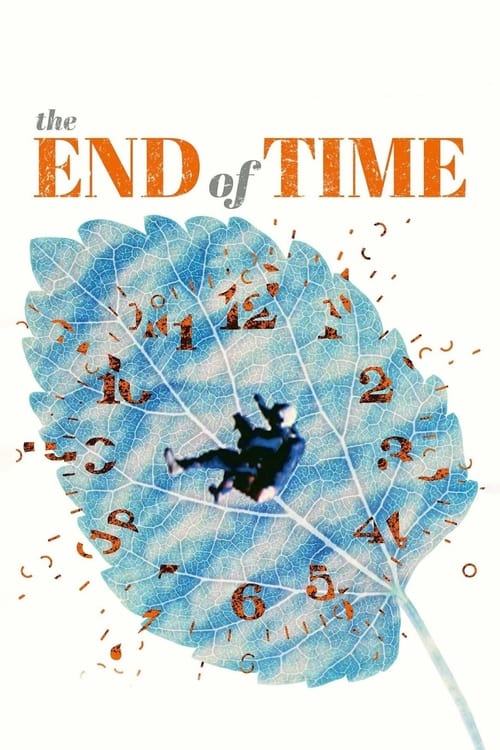
Working at the limits of what can easily be expressed, filmmaker Peter Mettler takes on the elusive subject of time, and once again turns his camera to filming the unfilmable. From the particle accelerator in Switzerland, where scientists seek to probe regions of time we cannot see, to lava flows in Hawaii which have overwhelmed all but one home on the south side of Big Island; from the disintegration of inner-city Detroit, to a Hindu funeral rite near the place of Buddha's enlightenment, Mettler explores our perception of time. He dares to dream the movie of the future while also immersing us in the wonder of the everyday. THE END OF TIME, at once personal, rigorous and visionary, Peter Mettler has crafted a film as compelling and magnificent as its subject.
2016

1983
2015
2022
2018
2013
2001
2017
No reviews yet. Be the first to share your thoughts on this movie!
Use the rating form above to leave a star rating and optional review.