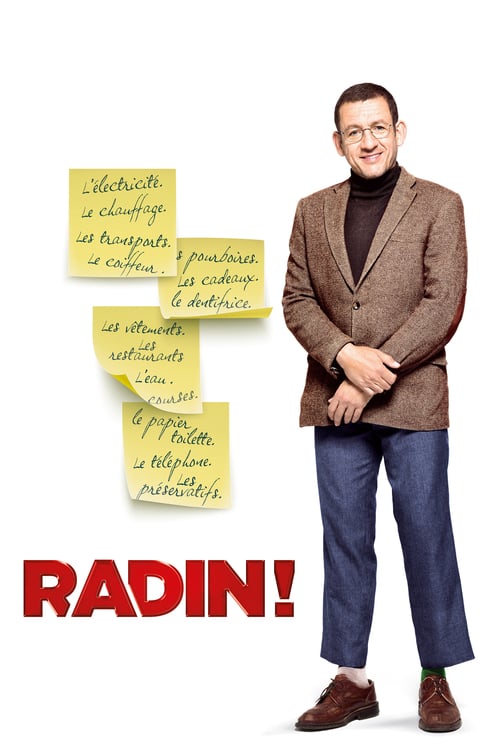
Penny Pincher!
2016
No user ratings available yet
Representation score: 3.3 out of 10
Representation Score
Limited
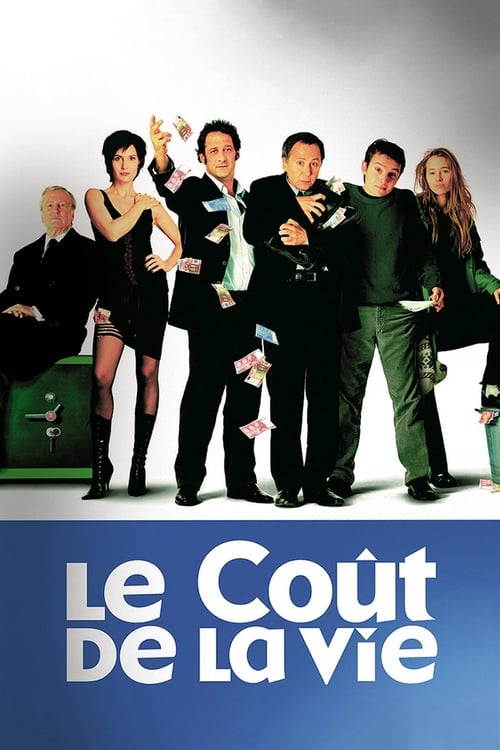
2003
Director
Philippe Le Guay
Runtime
98 minutes
Average Rating
No ratings yetNew Showbiz Analysis
Philippe Le Guay’s ensemble comedy prioritizes character-driven domestic realism over progressive storytelling. The film operates within established social norms, focusing on the emotional nuances of middle-class life rather than challenging systemic power dynamics. The production offers a localized, homogeneous view of contemporary French life. It lacks engagement with multiple aspects of identity, providing little representation for LGBTQ+ identities, racial diversity, or disability. Ultimately, the film functions as a traditional study of human idiosyncrasies. It adheres to conventional storytelling structures that reinforce Eurocentric social norms rather than subverting them.
Category Breakdown
The film focuses on straight relationships and traditional romantic entanglements. There is no evidence of queer narratives or non-straight identities within the character descriptions.
The story explores marriage and middle-class interpersonal dynamics. While it touches on domestic complexities, it does not aggressively challenge traditional gender roles or social expectations.
The ensemble cast reflects a predominantly white, homogeneous French middle-class demographic. The film lacks significant minority representation or casting actors from diverse backgrounds.
The narrative examines the psychological impact of wealth and consumerism. It avoids explicit anti-capitalist stances or the deconstruction of Western family structures.
There is no evidence of characters with visible or invisible disabilities. The focus remains strictly on socioeconomic and romantic struggles.
Present on Screen
Limited or Absent
Official Synopsis
Une héritière qui n'arrive pas à hériter, un radin qui ne peut rien dépenser, un petit garçon qui trouve un billet dans la rue, un restaurateur prodigue qui ne fait que donner... Tels sont, entre autres, les personnages de ce film "choral". Pourquoi certains dépensent-ils de manière convulsive là où d'autres retiennent l'argent comme la partie la plus vitale de leur être ? On croit parler d'argent, mais c'est d'amour dont il s'agit.
2016
1995
2002
1980
2005
2008
1996
1976
No reviews yet. Be the first to share your thoughts on this movie!
Use the rating form above to leave a star rating and optional review.