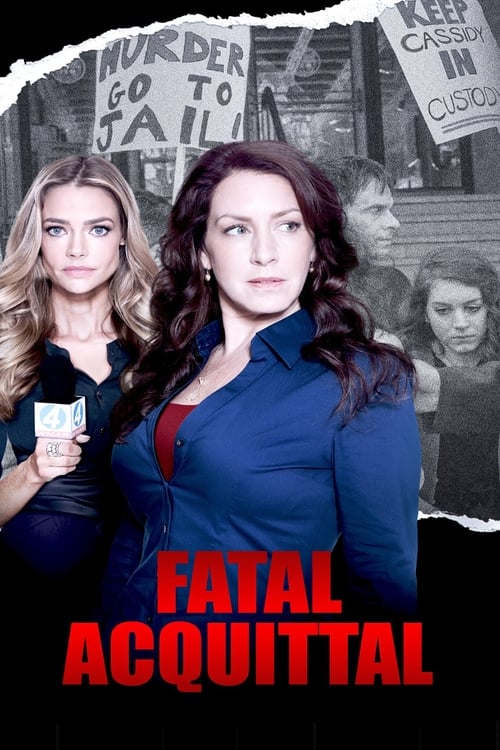
Fatal Acquittal
2014
No user ratings available yet
Representation score: 4.1 out of 10
Representation Score
Fair
1997
PG-13Director
David E. Peckinpah
Runtime
85 minutes
Average Rating
No ratings yetNew Showbiz Analysis
The film functions as a standard genre thriller that prioritizes plot mechanics over challenging social norms. While it gives the female lead a prominent role, the narrative remains tied to traditional clichés about single motherhood and domesticity. Diversity is limited by a lack of varied identities or cultural critiques. Characters operate within conventional Western frameworks, offering little deviation from mainstream cinematic norms of the time. Ultimately, the work lacks the intentionality needed to challenge systemic hierarchies or provide nuanced representations of neurodivergence and race.
Category Breakdown
The film centers on a relationship between a single mother and a young man. It does not include non-binary or transgender identities and does not challenge assumptions about heterosexual relationships.
A female psychiatric intern drives the plot through her intellect and strong presence. However, the single-mother role often relies on clichés of domestic instability and vulnerability.
The film lacks a diverse cast and seems to follow a conventional thriller structure with predominantly Anglo-Saxon characters.
The story relies on Western medical and legal systems and follows a traditional wronged-individual arc without critiquing systemic power structures.
Mental health issues serve as narrative devices through the protagonist's career and a troubled young man. These roles risk being oversimplified plot catalysts.
Present on Screen
Limited or Absent
Official Synopsis
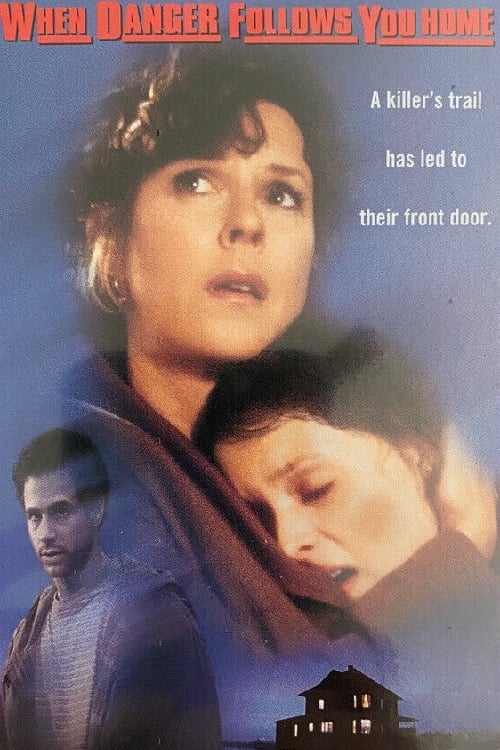
A single mom and psychiatric intern encounters a troubled but brilliant young man who turns up dead in her house after she befriended him. When she finds herself the prime suspect, she sets out to solve the crime and clear her name.
2014

2018
2006
1992
2021
2017
1991

2025
No reviews yet. Be the first to share your thoughts on this movie!
Use the rating form above to leave a star rating and optional review.