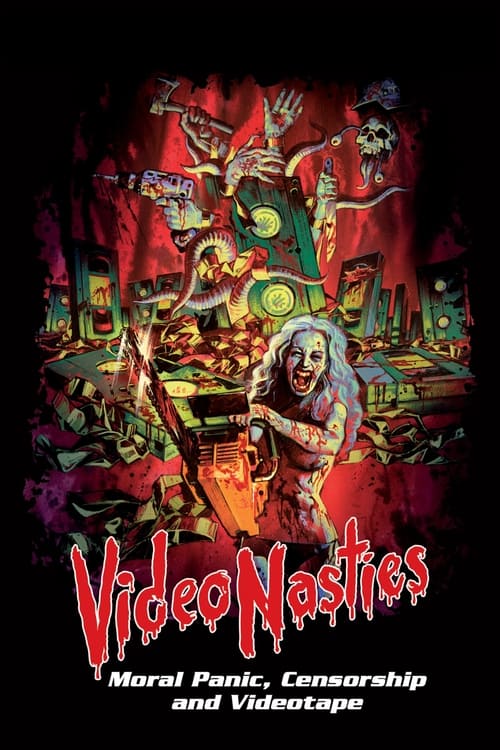
Video Nasties: Moral Panic, Censorship & Videotape
2010
No user ratings available yet
Representation score: 5.8 out of 10
Representation Score
Limited
2014
Not RatedDirector
Jake West
Runtime
97 minutes
Average Rating
No ratings yetNew Showbiz Analysis
Jake West’s documentary serves as a systemic critique of institutional authority rather than a study of identity-based representation. It succeeds in deconstructing how state-sanctioned morality was used to suppress creative freedom during a restrictive era in British history. While the film lacks direct representation of underrepresented groups due to its historical and documentary focus, it offers progressive value by challenging the dominance of regulatory bodies. It positions the struggle of independent creators against moral guardians as a form of liberation. Ultimately, the film's diversity is found in its ideological stance against centralized control rather than in its casting or character demographics.
Category Breakdown
The documentary focuses on the historical censorship of UK horror and exploitation cinema. It does not center on LGBTQ+ identities or specific queer narratives.
The film lacks a structured gender hierarchy but includes female voices within historical film criticism. The subject matter implicitly challenges patriarchal structures of social control.
This is a localized study of British censorship history. The score reflects the historical homogeneity of the 1980s era being documented.
The film critiques Western institutions like the BBFC for enforcing a restrictive morality. It frames independent filmmaking as a rebellion against institutionalized authority.
The documentary does not feature specific character arcs or depictions centered on physical or neurodivergent disabilities.
Present on Screen
Limited or Absent
Official Synopsis
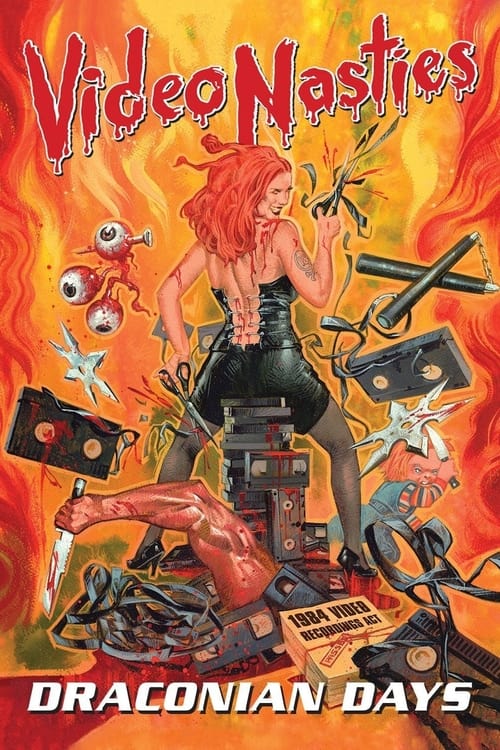
The highly anticipated follow-up to their critically acclaimed VIDEO NASTIES: MORAL PANIC, CENSORSHIP & VIDEOTAPE documentary, director Jake West and producer Marc Morris continue uncovering the shocking story of home entertainment post the 1984 Video Recordings Act. A time when Britain plunged into a new Dark Age of the most restrictive censorship, where the horror movie became the bloody eviscerated victim of continuing dread created by self-aggrandizing moral guardians. With passionate and entertaining interviews from the people who lived through it and more jaw dropping archive footage, get ready to reflect and rejoice the passing of a landmark era.
2010
2019
1998
2005
2017
2000
2008
2009
No reviews yet. Be the first to share your thoughts on this movie!
Use the rating form above to leave a star rating and optional review.