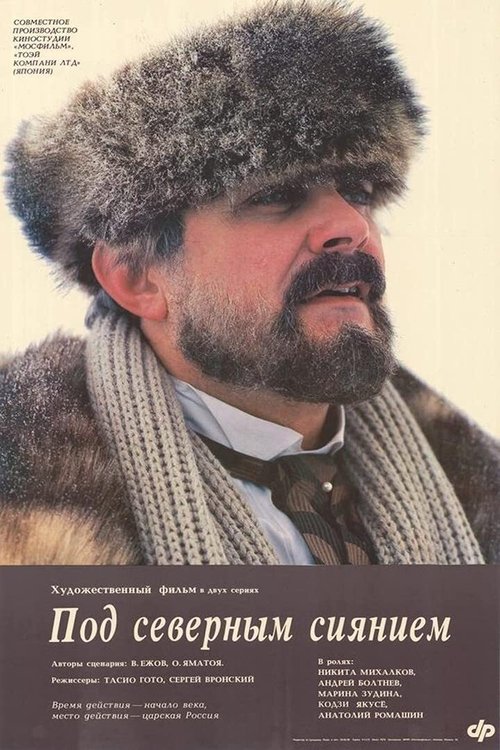
Aurora Borealis
1990
No user ratings available yet
Diversity score: 4.9 out of 10
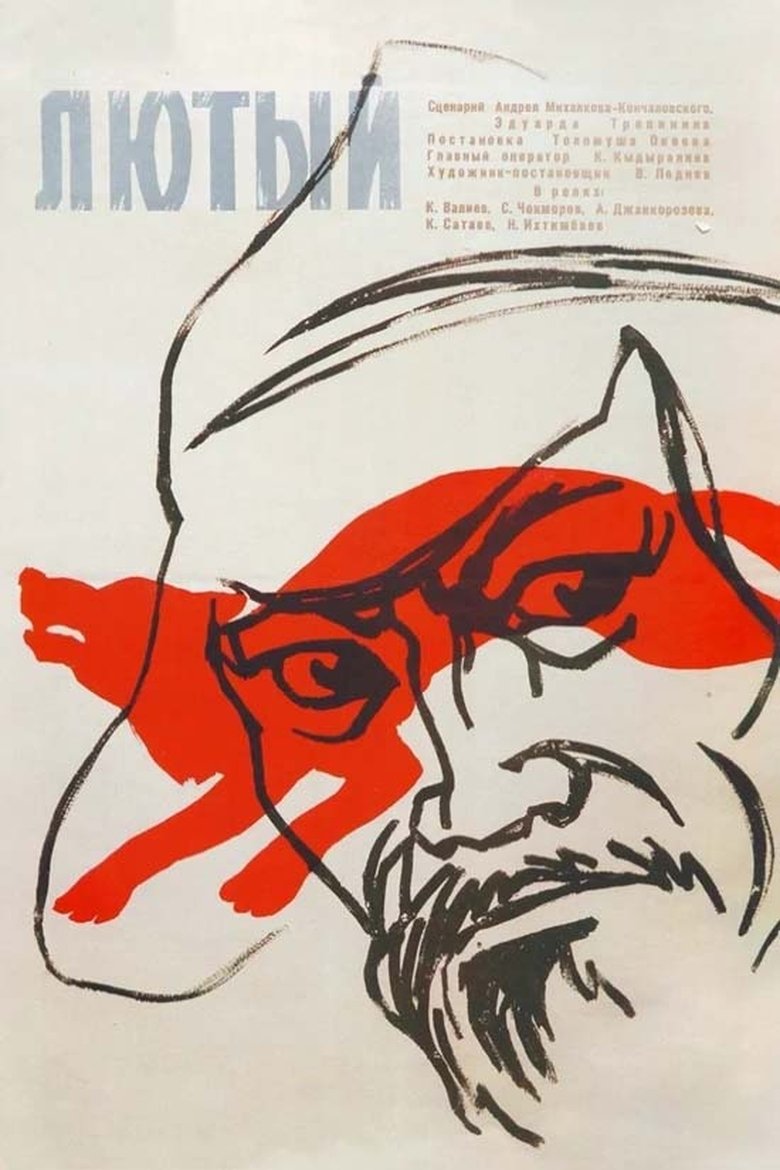
1973
Director
Tolomush Okeev
Runtime
97 minutes
Average Rating
No ratings yetSynopsis
A boy raises a wolf cub, but when released into the wild, it returns to attack him.
Overall Score
Fair
Category Breakdown
LGBTQ+ Representation
The film lacks LGBTQ+ characters or narratives. The story focuses entirely on the primal relationship between a boy and a wolf cub.
Gender Representation
The narrative centers on a young male protagonist. It follows traditional dramatic realism without evidence of subverting gender hierarchies.
Racial & Ethnic Diversity
The film provides a non-Western perspective rooted in Central Asian culture. This challenges Hollywood-centric narratives through its regional storytelling.
Religious & Cultural Diversity
The story operates within a framework of naturalism rather than Western morality. It explores a subjective morality where nature ignores human ethical constructs.
Disability Representation
There is no documented evidence regarding the portrayal of physical or neurodivergent disabilities in this work.
Strengths
Areas for Improvement
AI Analysis
The Fierce One is a regional drama that offers a distinct departure from Western cinematic norms. Its primary value lies in its Central Asian cultural context and its exploration of the tension between domestication and the untamed wild. While the film provides a non-Western perspective, it lacks explicit intersectional complexity. The narrative focuses on primal themes of nature and betrayal rather than the intentional deconstruction of modern social hierarchies or systemic critiques. Ultimately, the film serves as a poetic exploration of the human-animal bond. It succeeds as a piece of regional storytelling but does not engage with modern progressive social frameworks.
1990

1976
1961
2002

2011
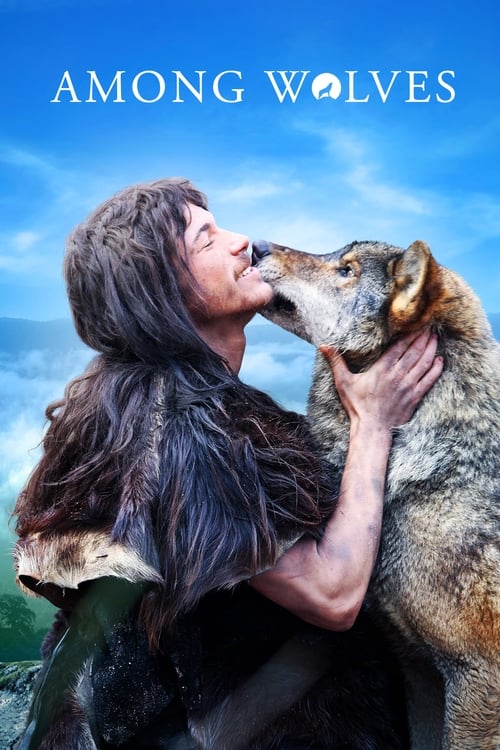
2010
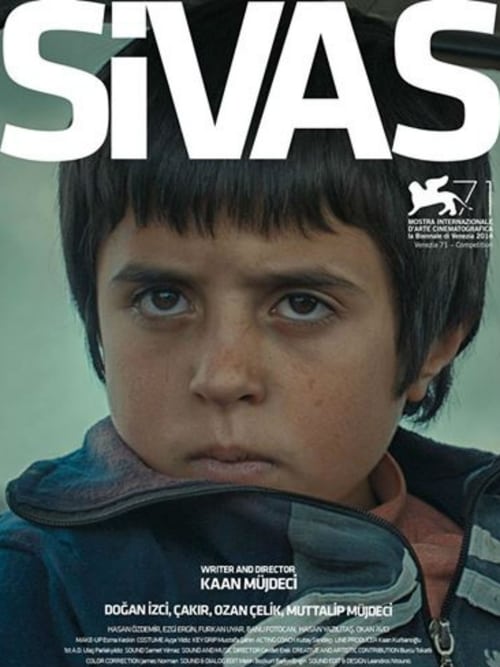
2014
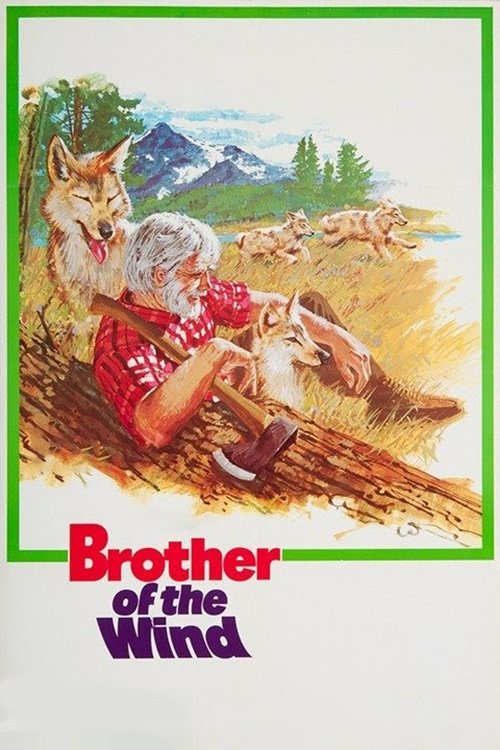
1972
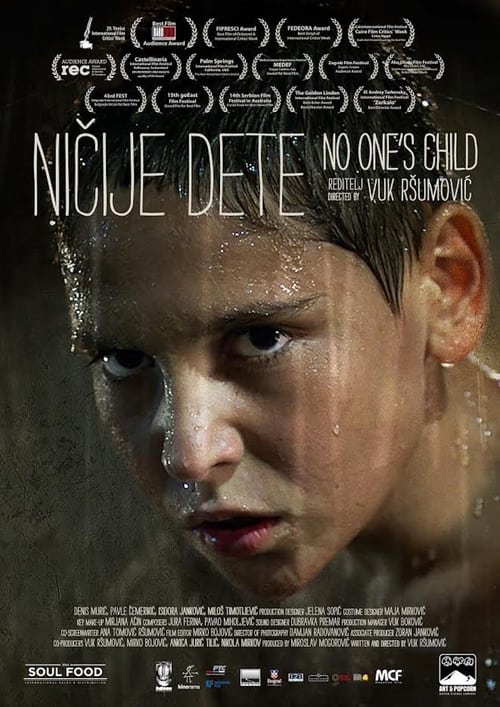
2014
1957
1988
2014
No reviews yet. Be the first to share your thoughts on this movie!
Use the rating form above to leave a star rating and optional review.