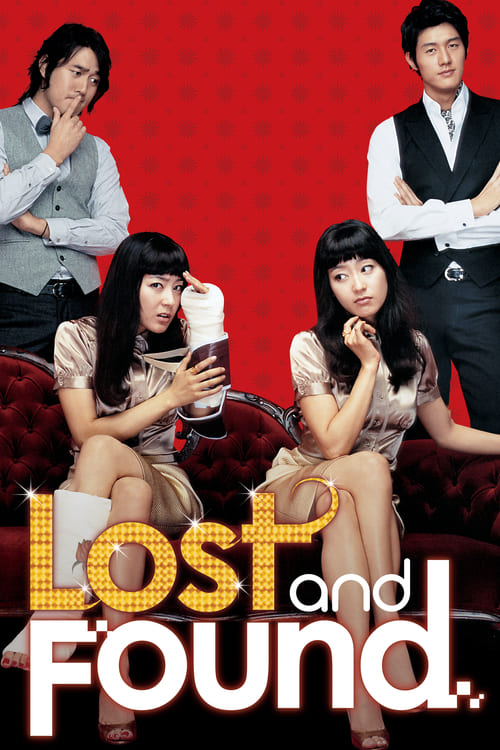
Lost and Found
2008
No user ratings available yet
Diversity score: 3.5 out of 10

2004
PG-13Director
Lee Hwan-kyung
Runtime
113 minutes
Average Rating
No ratings yetSynopsis
When high school girl Han Ye-won finds an offensive note on the internet school board left by arrogant Ji Eun-seong from vocational school, she replies even more offensively. She doesn't know he's hot-tempered and well-known as a bully. So when Ji Eun-seong starts looking for her to teach her a lesson, Han Ye-won realizes how big her mistake was.
Overall Score
Limited
Category Breakdown
LGBTQ+ Representation
The film centers on conventional heterosexual romantic tension. There is no evidence of queer-coded character arcs or non-cisnormative gender identities within the narrative.
Gender Representation
Han Ye-won shows agency through her verbal defiance against the male lead. However, the plot relies on traditional archetypes and the male lead's physical pursuit.
Racial & Ethnic Diversity
The production depicts a culturally homogeneous South Korean society. It does not engage in multicultural casting or the exploration of intersectional identities.
Religious & Cultural Diversity
The story focuses on social friction between different educational tracks. It prioritizes interpersonal romantic reconciliation over systemic or ideological commentary.
Disability Representation
There are no visible or invisible disabilities central to the character arcs or the plot progression.
Strengths
Areas for Improvement
AI Analysis
He Was Cool operates as a standard romantic comedy that adheres to the social and romantic norms of early-2000s South Korean cinema. It prioritizes character-driven humor and genre tropes over the subversion of traditional hierarchies. The film lacks representation for marginalized groups, focusing instead on a homogeneous demographic and heteronormative courtship. While the female lead displays some spirited agency, the power dynamics remain rooted in traditional gendered archetypes. Ultimately, the narrative functions as a conventional genre piece. It avoids systemic critique, focusing instead on the interpersonal conflict between a high school girl and a vocational school student.
2008

2005
2002
2010
2024
2019

2012
2002

2006
2016
1990
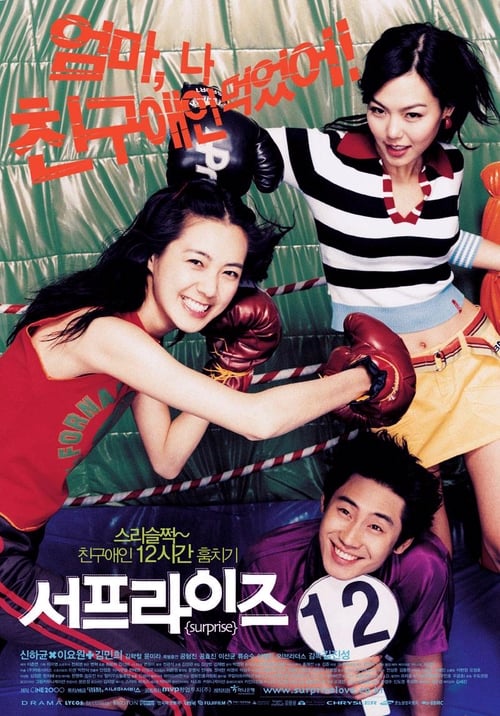
2002
No reviews yet. Be the first to share your thoughts on this movie!
Use the rating form above to leave a star rating and optional review.