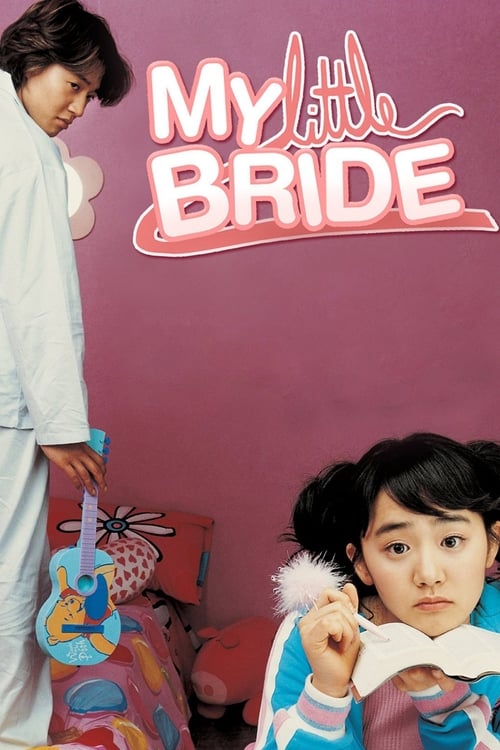
My Little Bride
2004
No user ratings available yet
Representation score: 1.4 out of 10
Representation Score
Minimal
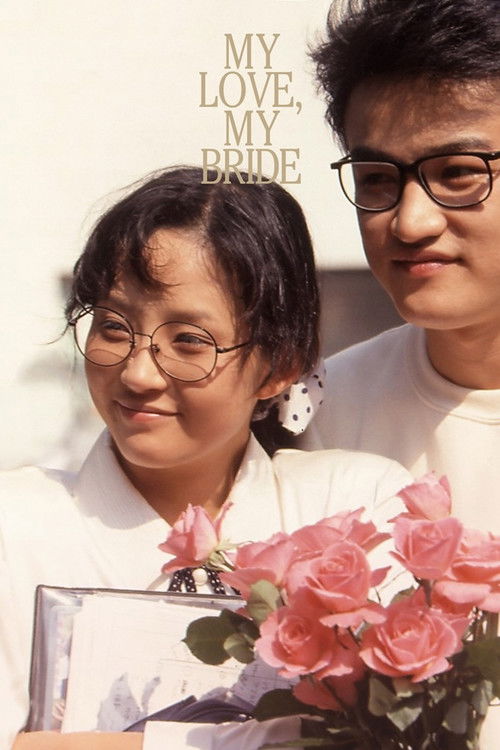
1990
Director
Lee Myung-se
Runtime
111 minutes
Average Rating
No ratings yetNew Showbiz Analysis
Lee Myung-se’s work excels in formalist experimentation rather than social advocacy. While the film breaks cinematic conventions through avant-garde visuals and non-linear storytelling, it remains traditionally focused on interpersonal relationships. The film emphasizes aesthetic abstraction over sociopolitical critique. It centers on the psychological intensity of a romantic bond without questioning broader social hierarchies or the assumption that everyone is straight. Ultimately, the film is a culturally specific piece that uses postmodernism to explore domesticity and memory, while adhering to conventional social frameworks.
Category Breakdown
The film focuses on a traditional romantic relationship. It does not include any non-straight identities or narratives that question the assumption that everyone is straight.
The story examines marital conflicts and emotional openness. Characters operate within traditional gender roles without challenging gender hierarchies.
The film showcases a culturally uniform Korean cast. It consistently presents a stylized version of Seoul.
The narrative follows a typical urban middle-class storyline. It explores personal memories and desires through a postmodern, dream-like style.
There are no visible or invisible disabilities featured in the characters' stories or used as narrative elements.
Present on Screen
Limited or Absent
Official Synopsis
Young-min and Mi-young graduated from the same college and fell in love. They finally got married. As time goes by, they bicker over even the tiniest of issues. One day, at a coffee shop, Mi-young waits for Young-min and meets her ex-boss. Young-min sees them together and jumps to the conclusion that he is her ex-boyfriend. When Mi-young goes to visit her parents, Young-min tempts another woman.
2004

2012
2014

1998
2019
2007

2012
2008
No reviews yet. Be the first to share your thoughts on this movie!
Use the rating form above to leave a star rating and optional review.