
The Beach Girls and the Monster
1965
No user ratings available yet
Diversity score: 2.6 out of 10

1972
RDirector
William Girdler
Runtime
77 minutes
Average Rating
No ratings yetSynopsis
Four girls go on a romping weekend at a lake, and have car problems on the way home. A nice local boy takes them back to his farm, where he lives with his father. Something ghastly happens, but the father helps his son as he has in the past. When the boy meets a girl and begins falling in love, the father worries about a repeat performance.
Overall Score
Limited
Category Breakdown
LGBTQ+ Representation
The film operates within a traditional heteronormative framework. The narrative focuses on a heterosexual romantic arc between a local boy and one of the female travelers.
Gender Representation
Female characters function primarily as a collective group of travelers rather than primary agents. The central conflict revolves around the patriarchal dynamic between a father and his son.
Racial & Ethnic Diversity
The story implies a homogeneous rural setting typical of 1970s exploitation horror. There is no evidence of significant racial or ethnic complexity within the narrative.
Religious & Cultural Diversity
The film reinforces traditional familial hierarchies and domestic stability. It focuses on the bond between father and son and the preservation of the family unit.
Disability Representation
There is no documented evidence regarding the inclusion of characters with physical or neurodivergent disabilities.
Strengths
Areas for Improvement
AI Analysis
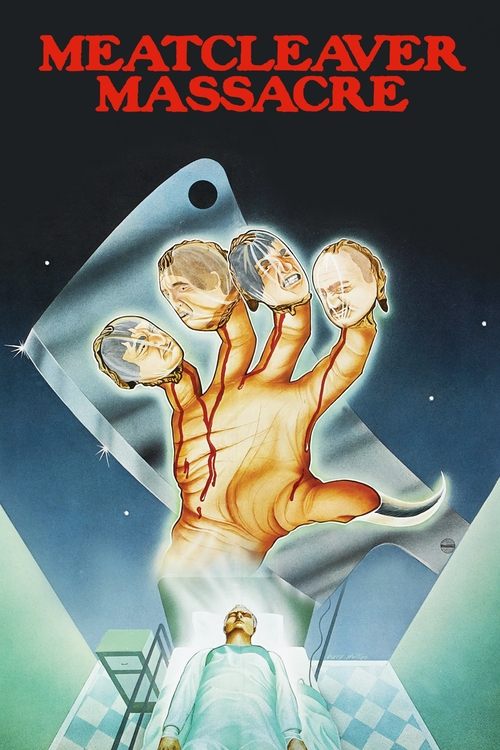
Three on a Meathook is a standard genre piece that prioritizes traditional narrative tropes over social complexity. The story centers on a patriarchal family structure, specifically the relationship between a father and son, which drives the central conflict. The film lacks intentionality regarding intersectional representation. It adheres to the conventional horror structures of the 1970s, focusing on a localized, rural setting that appears homogeneous and heteronormative. Ultimately, the film functions as a period-typical exploitation horror. It reinforces established social hierarchies rather than attempting to disrupt or critique them through diverse character perspectives.
1965
2002
1979
1991
1971
1990

1992
2011
1977
2004
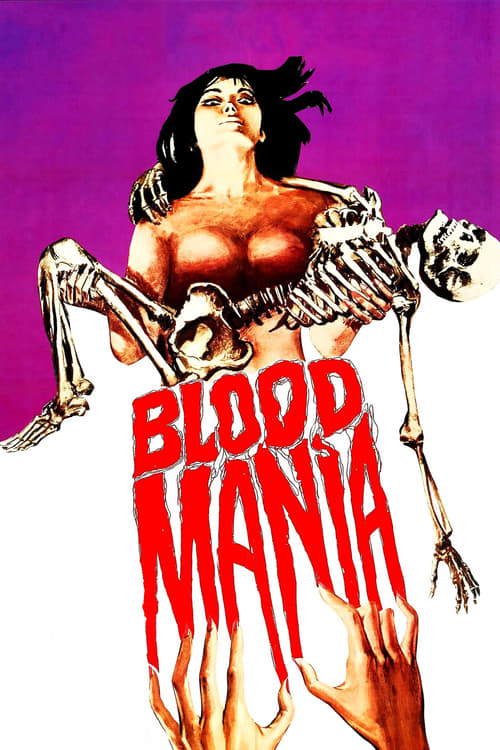
1970

2009
No reviews yet. Be the first to share your thoughts on this movie!
Use the rating form above to leave a star rating and optional review.