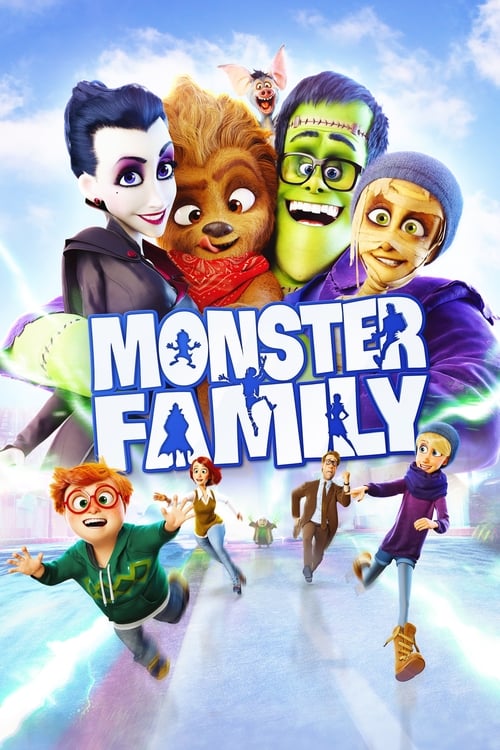
Puppy!
2017
No user ratings available yet
Representation score: 5.5 out of 10
Representation Score
Fair
2017
PGDirector
Holger Tappe
Runtime
93 minutes
Average Rating
No ratings yetNew Showbiz Analysis
Monster Family is a conventional animated comedy that prioritizes archetypal storytelling over diverse representation. The film uses the metaphor of monster transformation to explore self-acceptance and familial cohesion, but it does so within a very safe, mainstream framework. The narrative avoids challenging systemic social hierarchies or modern identity politics. Instead, it focuses on restoring a traditional nuclear family unit and reinforcing standard social norms. Ultimately, the film's exploration of 'otherness' is fantastical and ontological rather than sociopolitical, making it a predictable entry in the family animation genre.
Category Breakdown
The film adheres to a traditional framework focusing on a standard nuclear family. There are no visible representations of non-conforming gender identities or narratives that challenge traditional romantic pairings.
Gender roles in the film largely follow conventional archetypes and traditional power dynamics. Physical transformations occur, but the film does not significantly challenge traditional notions of masculinity or femininity.
The cast does not prioritize racial or ethnic diversity. Instead, the narrative focuses on the distinction between human and monster archetypes.
The story reinforces Western values related to family unity and domestic stability. It uses a classic good versus evil binary rather than exploring complex moral relativism.
Physical transformations are treated as supernatural plot devices rather than nuanced depictions of disability. The film uses physical differences for comedy rather than exploring lived experiences.
Present on Screen
Limited or Absent
Official Synopsis
The Wishbone family are far from happy. In an attempt to reconnect as a family, they plan a fun night out. However, the plan backfires when they are cursed and all turned into Monsters.
2017
1988
2022
2004
2015

2013
2012
2002
No reviews yet. Be the first to share your thoughts on this movie!
Use the rating form above to leave a star rating and optional review.