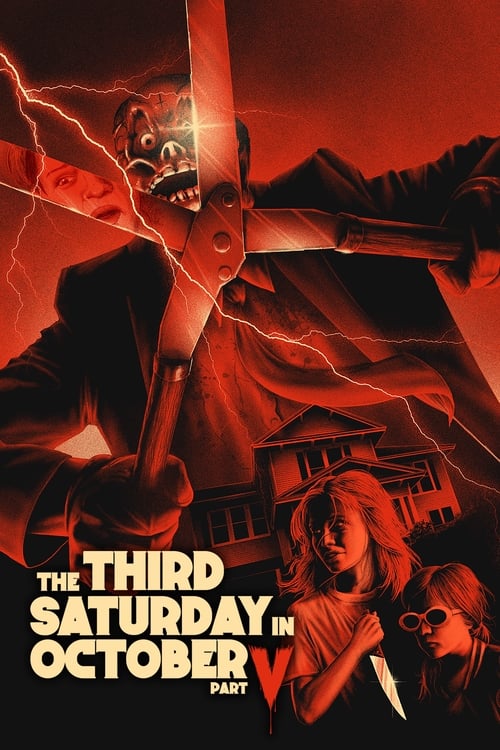
The Third Saturday in October: Part V
2022
No user ratings available yet
Diversity score: 4.1 out of 10
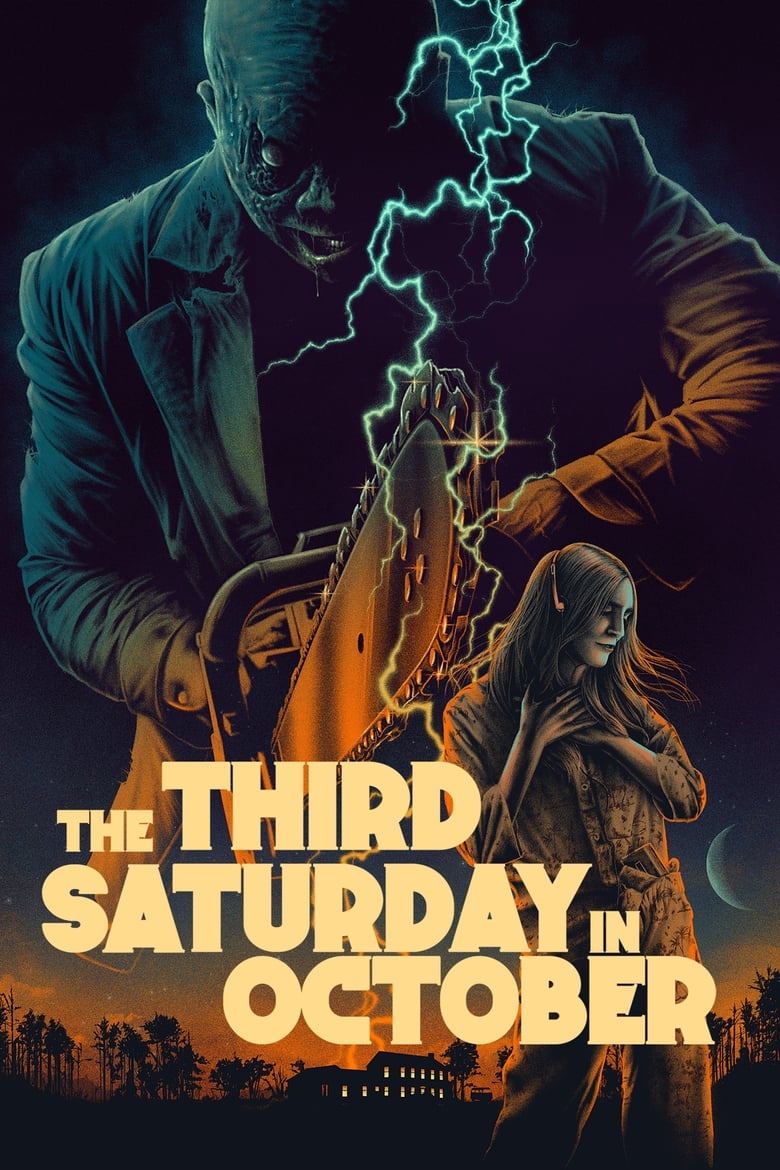
2022
Director
Jay Burleson
Runtime
97 minutes
Average Rating
No ratings yetSynopsis
A lost slasher film from the golden age of the slasher genre. October 1979, Ricky Dean Logan is a man on a mission. Years ago, he lost a child at the hands of a psychopathic killer named Jakkariah Harding. When Harding escapes Death Row, Ricky Dean throws himself into the line of fire to stop him from killing again as Harding preys upon a group of friends gathered to watch a college football game.
Overall Score
Fair
Category Breakdown
LGBTQ+ Representation
The film lacks explicit mention of LGBTQ+ characters or non-cisnormative identities. The plot follows a traditional slasher framework centered on a revenge arc. There is no visible evidence of queer identity or subversion of gender norms.
Gender Representation
The narrative relies on a classic slasher trope featuring a central male protagonist driven by vengeance. While the ensemble includes female cast members, the story emphasizes a traditional masculine protector archetype. This aligns with conventional genre expectations.
Racial & Ethnic Diversity
The film demonstrates meaningful racial inclusion through its primary cast. Actors like Darius Willis and Veanna Black suggest a diverse ensemble. This casting choice disrupts the historically homogeneous white ensembles typical of 1970s slasher films.
Religious & Cultural Diversity
The story operates within a traditional Western framework using touchstones like college football. It centers on a pursuit of justice for a lost child, reinforcing conventional social structures. No anti-Western or secularist themes are present.
Disability Representation
There is no information regarding the depiction of physical or neurodivergent disabilities. No characters or storylines addressing disability are identified in the available details.
Strengths
Areas for Improvement
AI Analysis
The film serves as a genre homage that successfully modernizes the racial demographics of the slasher subgenre. By casting a diverse ensemble, it avoids the demographic homogeneity of the 1970s era it emulates. However, the narrative remains tethered to traditional storytelling tropes. It relies heavily on conventional gender roles and a standard Western moral framework, prioritizing a masculine revenge arc over intersectional complexity. Ultimately, while the film makes strides in racial representation, it lacks the systemic critique or diverse identity exploration needed to move beyond standard genre conventions.
2022
1992
2024
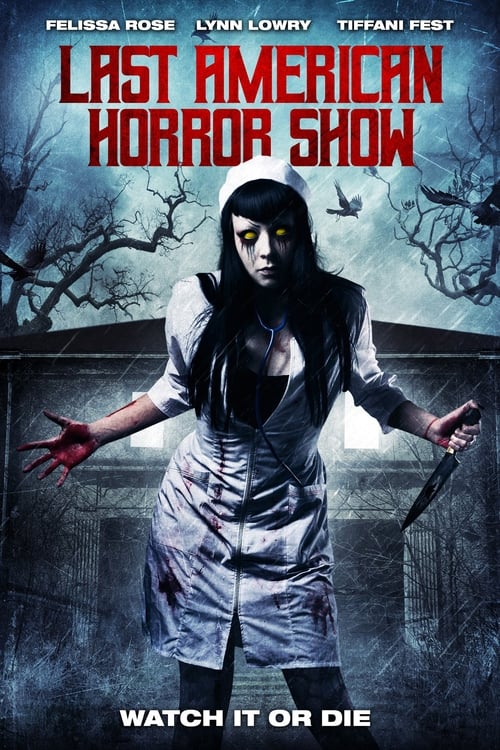
2018
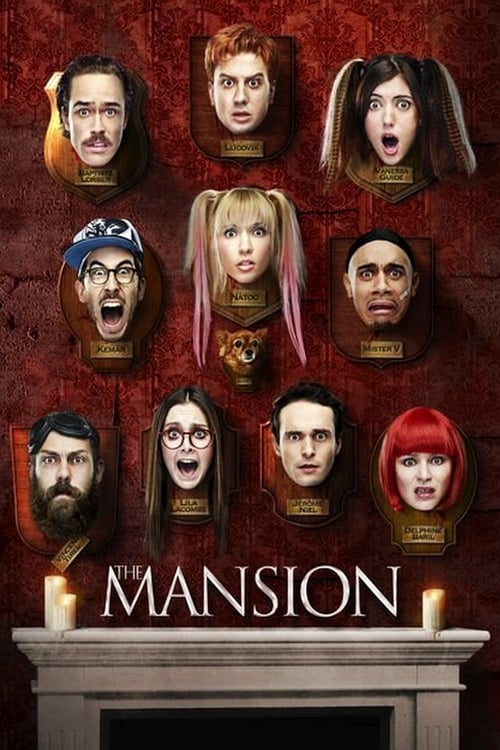
2017

1990
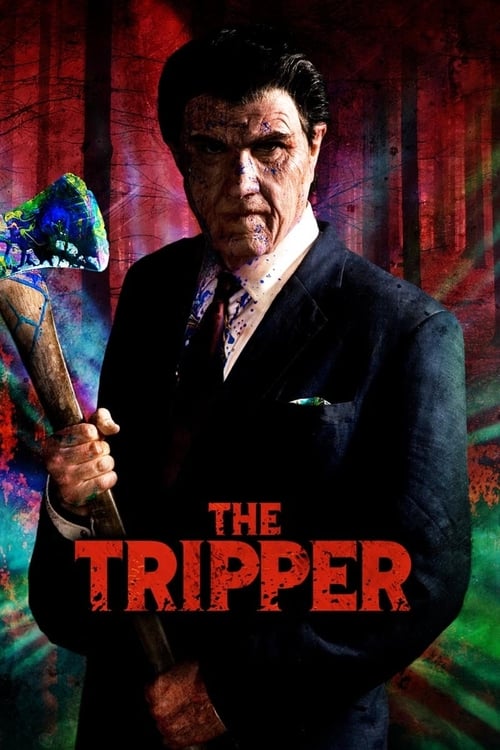
2006
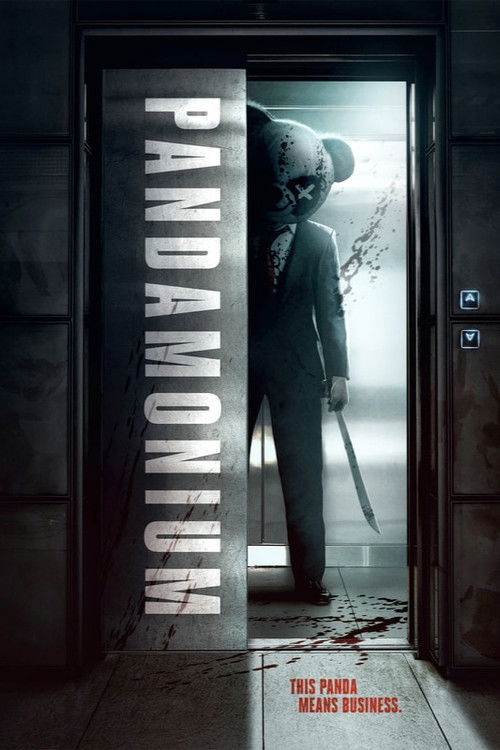
2020

2002
1999
2011
2011
No reviews yet. Be the first to share your thoughts on this movie!
Use the rating form above to leave a star rating and optional review.