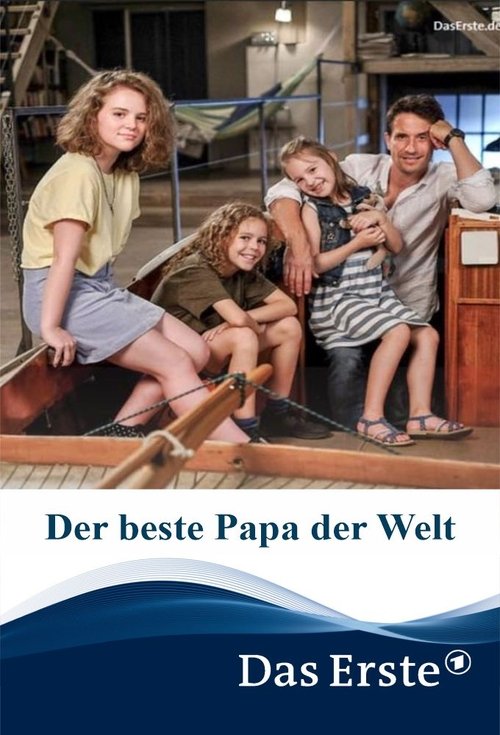
Der beste Papa der Welt
2019
No user ratings available yet
Representation score: 2.5 out of 10

Representation Score
Limited
2014
Director
Vivian Naefe
Runtime
89 minutes
Average Rating
No ratings yetNew Showbiz Analysis
Zeit der Zimmerbrände is a localized character study centered on the human need for connection. It successfully deconstructs traditional kinship by validating a 'chosen' family structure through the bond between Harry and Benny. However, the film lacks multi-layered complexity and broader social engagement. The narrative remains focused on individualistic, psychological explorations of identity rather than systemic or socio-political commentary. Ultimately, the film's narrow focus on a homogeneous, male-centric environment limits its progressive impact, making it a quiet drama about personal existentialism rather than a diverse social critique.
Category Breakdown
The film explores a surrogate father-son relationship, disrupting the traditional nuclear family model. However, it does not explicitly address queer identities or romantic subtexts.
The story focuses on male characters Harry and Benny, emphasizing their vulnerabilities. It avoids the typical heroic masculinity stereotype but lacks significant roles for female characters.
The setting and characters suggest a predominantly homogeneous, middle-class European cast. There is no indication of significant ethnic diversity among the main characters.
The narrative emphasizes found familial connections over biological or legal ties, providing a moderate boost to its cultural score by valuing situational kinship.
Physical traits such as left-handedness and allergies are used as narrative devices to connect characters. There is no exploration of disabilities or neurodivergence as themes.
Present on Screen
Limited or Absent
Official Synopsis
After 15 years as coach of a middle-class ice hockey team in Canada, Harry Zoppke has served his purpose. Without a job and without a family, he returns to his hometown of Freiburg. While looking for work at his old club, the EHC Freiburg, he meets Benny, whom he once coached. Benny has come a long way as a joke item manufacturer. But Benny is always plagued by the uncertainty about the identity of his father. When Benny discovers that Harry is left-handed like him and has the same allergies, he is convinced that Harry must be the long-awaited biological father. Benny, in turn, is completely taken aback and ultimately misses the right moment to explain the misunderstanding to Benny. Instead, Harry soon enjoys having a son and no longer being alone. Benny now finally has the father he always wanted.
2019
2011

2017
2012
2012
2018

2005

2024
No reviews yet. Be the first to share your thoughts on this movie!
Use the rating form above to leave a star rating and optional review.