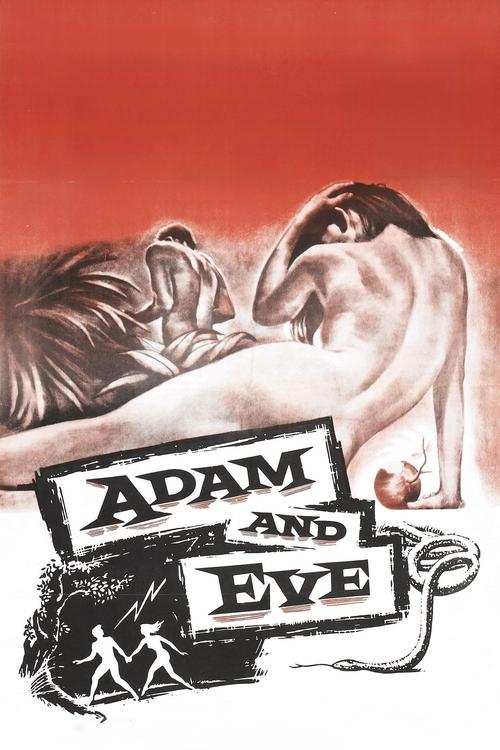
Adam and Eve
1956
No user ratings available yet
Representation score: 2.8 out of 10
Representation Score
Limited
1969
RDirector
Miguel Zacarías
Runtime
92 minutes
Average Rating
No ratings yetNew Showbiz Analysis
The film operates within a traditional Western mythological framework, focusing on the foundational figures of Adam and Eve. It lacks intentional efforts to highlight underrepresented voices or challenge systemic hierarchies, staying rooted in the cultural traditions of the Abrahamic faith. Any subversion of norms seems accidental rather than intentional. The film’s shift from a religious tool to a comedic and nude-oriented production deconstructs religious authority through humor, but this doesn’t translate into meaningful representation for diverse identities. Ultimately, the work remains a traditionalist text that fails its original educational purpose. It relies on established archetypes and lacks the empowerment or depth needed for a higher diversity score.
Category Breakdown
The film doesn't include any explicit LGBTQ+ characters or explore non-straight relationships. It focuses on the traditional biblical figures of Adam and Eve, reinforcing the idea that everyone is straight.
The film features nudity which might suggest objectification of the actors. However, the absurd tone of the film may challenge traditional gender roles through humor rather than respect.
The film follows traditional casting practices for the time period. It centers on a Western Abrahamic myth without showing diverse or racially varied casting.
The film unintentionally criticizes religious seriousness by turning sacred texts into comedy. This shift moves away from promoting a single religious viewpoint towards a more irreverent interpretation.
There are no characters with visible or invisible disabilities mentioned in the narrative.
Present on Screen
Limited or Absent
Official Synopsis
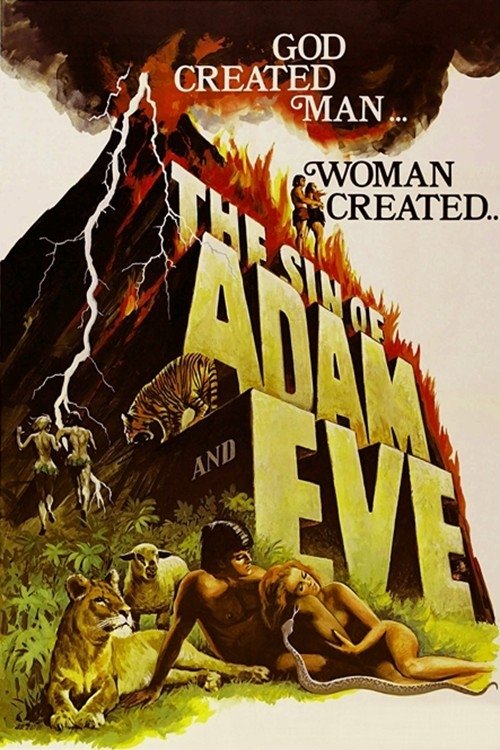
Absurd retelling of the story of Adam and Eve, this was the first of several biblical movies by director Miguel Zacarías that were intended to inspire the faithful but only inspired laughter instead. This film gained much notoriety due to the abundant nudity of its stars and was released worldwide.
1956
1965
1970
1993
2004

2021

1972
2010
No reviews yet. Be the first to share your thoughts on this movie!
Use the rating form above to leave a star rating and optional review.