
The Chronicles of Evil
2015
No user ratings available yet
Diversity score: 3.1 out of 10
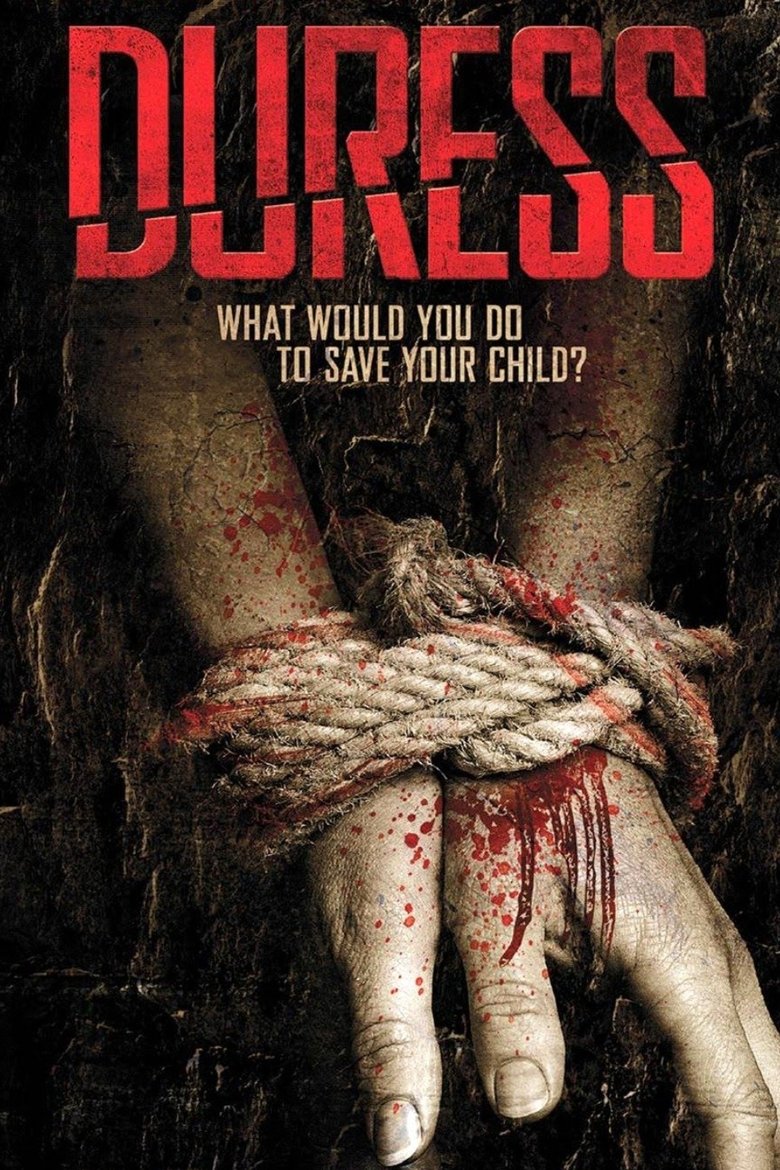
2009
Director
Jordan Barker
Runtime
77 minutes
Average Rating
No ratings yetSynopsis
Haunted with nightmares of his wife's recent suicide and struggling to mend the relationship with his only daughter, Richard is caught as a witness to the violence of Abner Solvie. He finds himself at the mercy of a charismatic killer and plagued by his involvement in the city's recent murders. As Abner's new found protégé, Richard is forced to adopt the mind of his sociopathic mentor in order to protect the one he loves. Richard must decide if he's willing to kill in order to keep his daughter alive.
Overall Score
Limited
Category Breakdown
LGBTQ+ Representation
The film lacks LGBTQ+ characters or narratives addressing non-cisnormative identities. The story focuses on a traditional nuclear family structure, offering no representation for queer identities.
Gender Representation
The plot centers on masculine archetypes, specifically the struggling father and a violent mentor. It explores dark extremes of masculine agency rather than subverting traditional gender hierarchies.
Racial & Ethnic Diversity
There is no explicit evidence of diverse racial or ethnic casting within the narrative framework. The story follows a conventional crime thriller structure without signaling intersectional breadth.
Religious & Cultural Diversity
Themes of trauma and moral ambiguity are present, but the narrative leans into traditional Western tropes of paternal responsibility. It prioritizes individual survival over systemic cultural critique.
Disability Representation
No neurodivergence or physical disabilities are presented as central character traits. Psychological distress is used primarily as a standard thriller plot device rather than a nuanced exploration.
Strengths
Areas for Improvement
AI Analysis
Duress operates within the established boundaries of the crime thriller genre, prioritizing psychological tension and individual survival. The narrative is heavily anchored in traditional masculine roles, focusing on a father's desperate attempt to protect his daughter through violence. Because the story revolves around a nuclear family dynamic and a mentor-protégé relationship between men, it lacks significant intersectional depth. There is no visible effort to disrupt social hierarchies or include diverse identities. Ultimately, the film follows a standard genre trajectory. It explores the darker side of paternal protectionism without expanding into broader cultural or social representation.
2015
2022
1999
1996
2022
2019
2023
2016
2016
2004
1991
2006
No reviews yet. Be the first to share your thoughts on this movie!
Use the rating form above to leave a star rating and optional review.