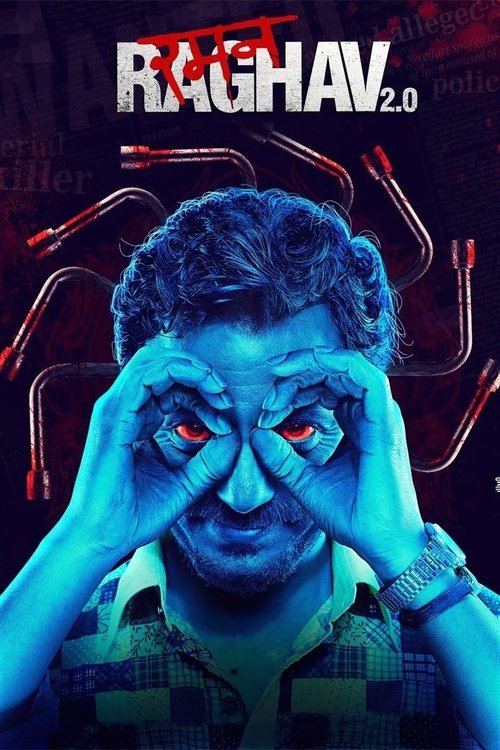
Raman Raghav 2.0
2016
No user ratings available yet
Representation score: 5.5 out of 10

Representation Score
Fair
2019
Not RatedDirector
Ravin Gandhi
Runtime
90 minutes
Average Rating
No ratings yetNew Showbiz Analysis
100 Days to Live is a character-driven thriller that delves into psychological depth. By focusing on a professional woman navigating mental health crises, the film avoids the passive victim clichés typical of the genre. However, the film remains within traditional boundaries. The lack of LGBTQ+ representation and the reliance on a conventional heterosexual romantic core limit its multi-layered breadth. While the cast shows moderate ethnic variety, the narrative does not prioritize diverse cultural perspectives. Ultimately, the film's strength lies in its serious engagement with mental health and trauma. It elevates the thriller genre by emphasizing professional competence and the complexities of psychological issues.
Category Breakdown
The film centers on a heterosexual relationship between Dr. Rebecca Church and Gabriel Weeks. There is no representation of LGBTQ+ identities or narratives exploring non-straight relationships.
Dr. Rebecca Church is portrayed as a capable protagonist with professional influence. She drives the investigation, while the plot revolves around a conventional thriller structure involving a male partner's abduction.
The cast includes actors of various ethnicities, such as Yancey Arias as Detective Jack Byers. However, the central romantic arc features a white couple and does not emphasize non-Anglo-Saxon themes.
The antagonist's motives involve a distorted, pseudo-spiritual mission. This adds moral complexity to the story, although the film does not engage with radical or anti-Western cultural frameworks.
The narrative explores mental health and trauma through a suicide prevention specialist. It portrays psychological distress with ability to act rather than using it as a plot device.
Present on Screen
Limited or Absent
Official Synopsis
When a serial killer abducts a young woman’s fiancé, she must race against the clock to discover the identity of the killer, and more importantly – his motive.
2016

2017

2021

2021

2022

2020

2023

2022
No reviews yet. Be the first to share your thoughts on this movie!
Use the rating form above to leave a star rating and optional review.