
The Pleasure Principle
1979
No user ratings available yet
Representation score: 4.9 out of 10
Representation Score
Limited
1973
Director
Nasser Taghvai
Runtime
160 minutes
Average Rating
No ratings yetNew Showbiz Analysis
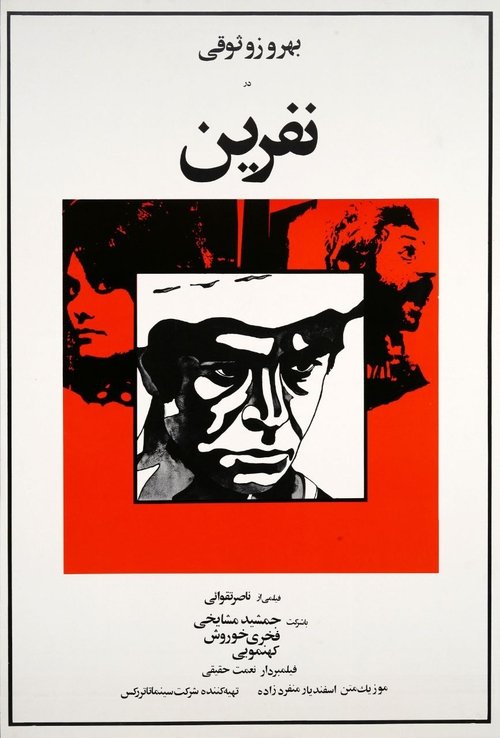
The Curse serves as a social realist study that stands apart from Western cinematic traditions. By examining the tension between labor and ownership, the film offers a nuanced look at class and power dynamics within an Iranian context. However, the film does not explicitly represent LGBTQ+ identities or disabilities. Its progressive value lies more in its social commentary than in diverse character identities. Ultimately, the film’s impact stems from its critique of systemic social roles and the instability of traditional leadership structures within a specific cultural context.
Category Breakdown
The film does not include any characters or narratives that represent LGBTQ+ identities. There is no indication of non-straight relationships or identities in the story.
The story focuses on a young wife and a landlord, emphasizing traditional gender roles. These roles contribute to the tension but do not challenge existing hierarchies.
As part of Iranian cinema, the film challenges Western-centric storytelling. It explores class-based ability to act within a specific non-Western ethnic and regional context.
The film uses social critique to highlight conflicts between different social groups. The depiction of an alcoholic landlord and systemic issues suggests a challenge to traditional authority.
There is no documented evidence of physical or neurodivergent disabilities being portrayed in this film.
Present on Screen
Limited or Absent
Official Synopsis
An old man who works for a landlord brings a young worker to paint the house for him. The old landlord is alcoholic and has a young wife and together they manage a ranch. Little by little ...
1979

1960

1966

1984
1971

1955

1965

1969
No reviews yet. Be the first to share your thoughts on this movie!
Use the rating form above to leave a star rating and optional review.