Spring
1971
No user ratings available yet
Diversity score: 5.7 out of 10
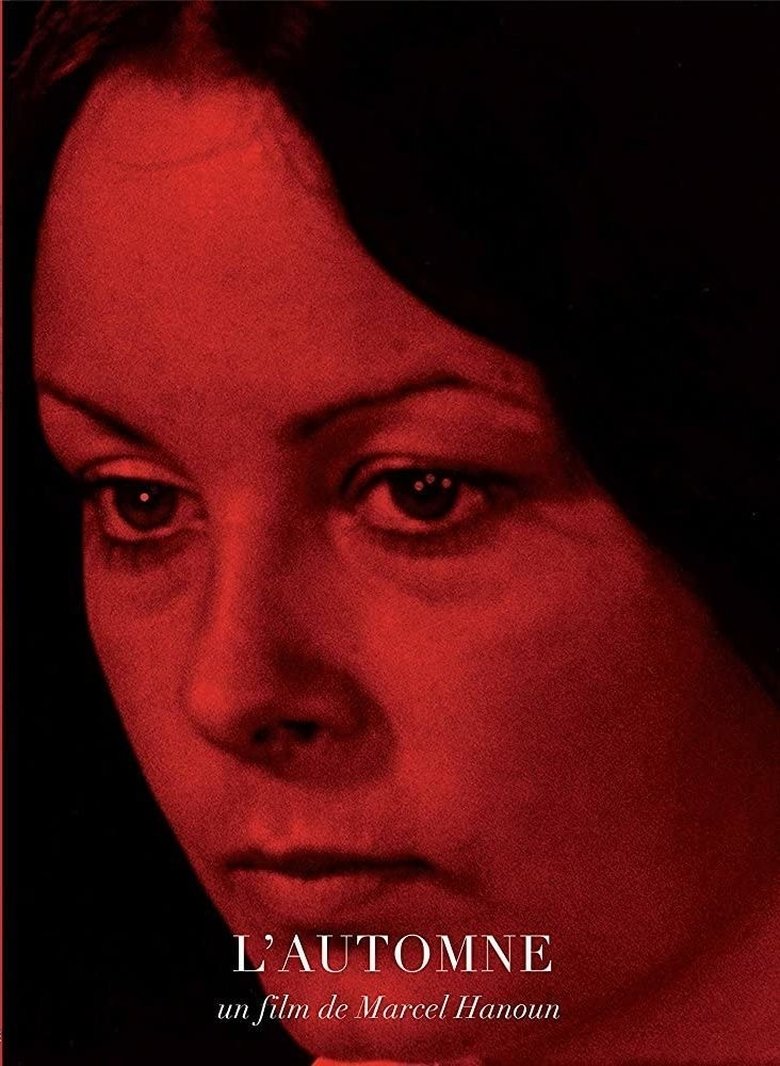
1972
Director
Marcel Hanoun
Runtime
75 minutes
Average Rating
No ratings yetSynopsis
Julien, a movie director, is on the phase of editing his new film, "Juliette sacrifiée". Hurried by his producer, he asks for the help of a professional editor. It is Anne, with whom Julien is soon falling in love. During the whole of the movie, both are sitting in front of the editing table, where they listen to music, talk about politics and what movies should and should not be about.
Overall Score
Fair
Category Breakdown
LGBTQ+ Representation
The film explores developing intimacy between Julien and Anne. While it lacks explicit confirmation of queer identities, the focus on deconstructing cinematic norms suggests a potential critique of traditional relational structures.
Gender Representation
Anne is presented as a central intellectual collaborator rather than a passive muse. Her technical expertise and ability to engage in political debate challenge traditional mid-century gender hierarchies.
Racial & Ethnic Diversity
The production appears localized to a specific European intellectual milieu. There is no evidence of a diverse cast or visible intersectional racial complexity within the narrative.
Religious & Cultural Diversity
The narrative prioritizes secular, intellectualist values and political discourse. Characters engage in debates regarding media ethics and subjective morality rather than religious or nationalist frameworks.
Disability Representation
The film provides no evidence of characters with visible or invisible disabilities.
Strengths
Areas for Improvement
AI Analysis
Autumn functions as a meta-cinematic dialogue that uses the act of film editing to explore the ethics of representation. It succeeds in subverting gender tropes by granting the female lead significant professional agency and intellectual weight. However, the film remains limited by its narrow focus on a specific European intellectual circle. This results in a lack of racial and disability-based representation, keeping the overall diversity score moderate. The work is ultimately a study of political and social truths through the lens of creative labor, prioritizing intellectual inquiry over broad demographic variety.
1971
1968
1969
1996
1977
1979
1976
1970
1973
1963
1977
1971
No reviews yet. Be the first to share your thoughts on this movie!
Use the rating form above to leave a star rating and optional review.