The Manhunt
1984
No user ratings available yet
Diversity score: 2.9 out of 10
1976
PGDirector
Charles B. Griffith
Runtime
89 minutes
Average Rating
No ratings yetSynopsis
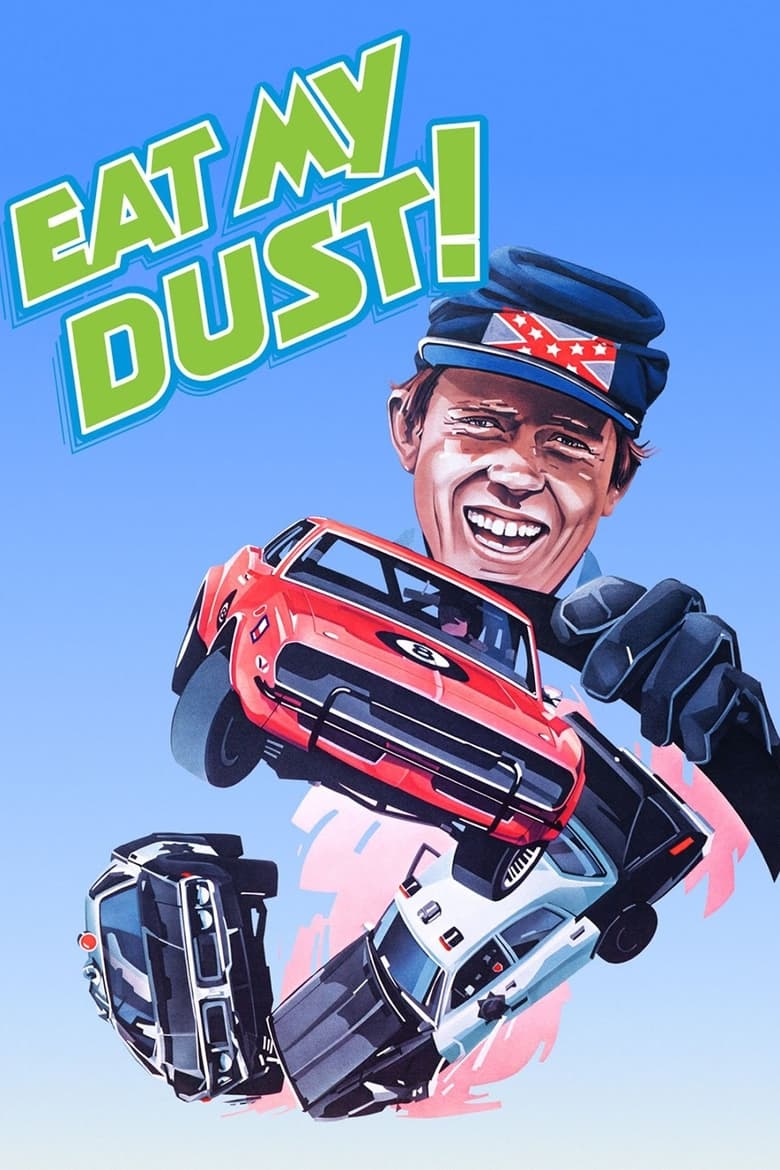
Hoover Nielbold is a car-crazy teenager who, in order to impress the hottest girl in school, takes her for a ride in a souped-up race car owned by local racer Big Bubba Jones. Hoover's father Harry, who's also the local sheriff is furious at the situation and orders his bumbling deputies to go after him. With the Sheriff's office overflowing with concerned parents and citizens and his deputies failing to catch him. He enlists the help of Jones and fellow racers to capture him. It culminates in a thrilling car chase finale through the rural countryside.
Overall Score
Limited
Category Breakdown
LGBTQ+ Representation
The film follows traditional heteronormative structures common in 1970s action-comedies. The central plot revolves around a male protagonist's desire to impress a female peer, with no visible non-cisnormative identities.
Gender Representation
Gender roles are conventional, with the female lead serving primarily as a motivator for the male protagonist. While male authority figures are portrayed as bumbling, this serves comedic purposes rather than subverting patriarchy.
Racial & Ethnic Diversity
The story focuses on a localized, homogeneous social structure within a rural desert setting. There is no evidence of a non-white majority cast or diverse ethnic representation.
Religious & Cultural Diversity
The film utilizes outlaw tropes and a disregard for authority typical of the exploitation genre. It frames conflict through traditional law enforcement versus individualistic rebellion rather than systemic critique.
Disability Representation
There is no evidence of characters with visible or invisible disabilities within the narrative.
Strengths
Areas for Improvement
AI Analysis
Eat My Dust is a quintessential 1970s exploitation film that prioritizes mechanical spectacle and genre tropes over social complexity. The narrative is driven by standard archetypes, such as the rebellious youth and the bumbling lawman, which keep the story within very narrow social bounds. The film lacks intentionality regarding systemic critique or intersectional representation. It functions as a localized piece of entertainment centered on car culture and romantic validation, adhering strictly to the social norms of its era. Ultimately, the work offers little in the way of diverse perspectives, focusing instead on the kinetic energy of high-speed chases and traditional gender hierarchies.
1984
2004
1995
1994
1981

2014
2020
1978
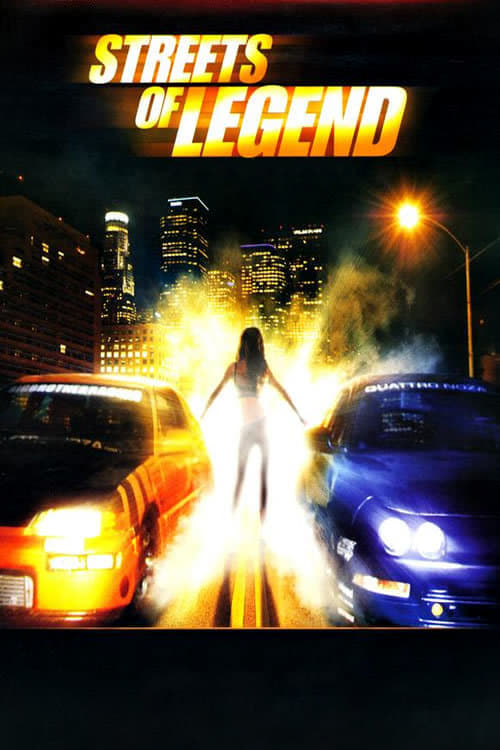
2005
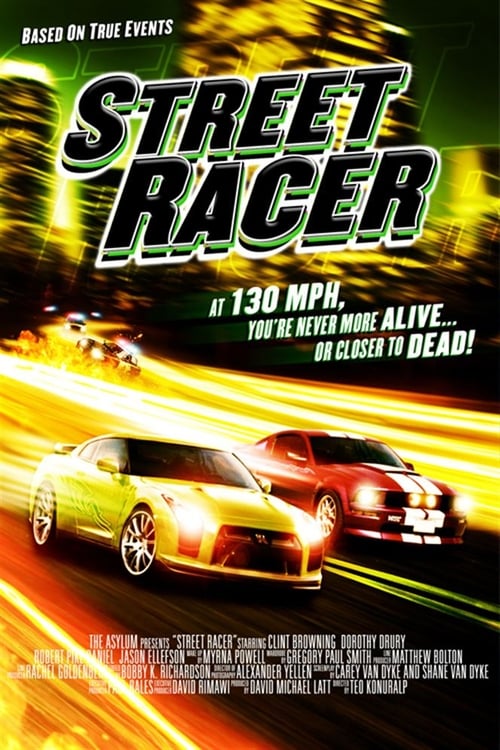
2008
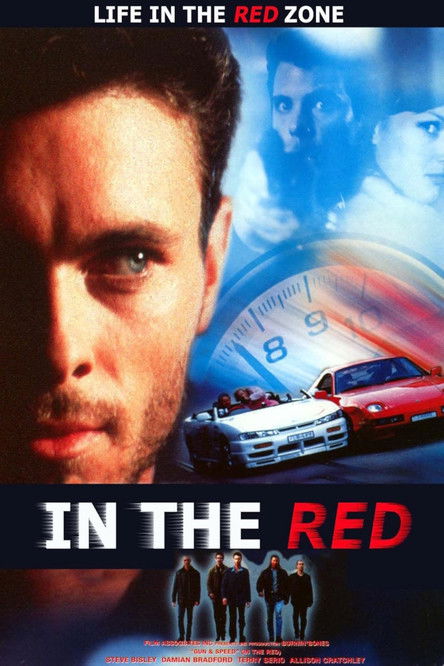
1999
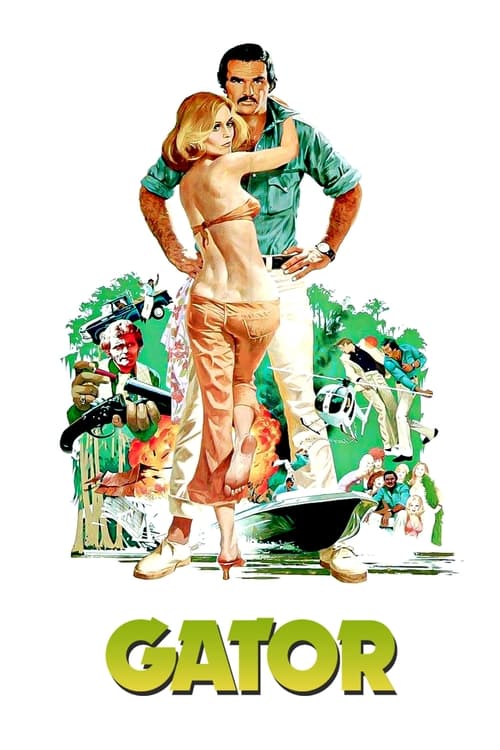
1976
No reviews yet. Be the first to share your thoughts on this movie!
Use the rating form above to leave a star rating and optional review.