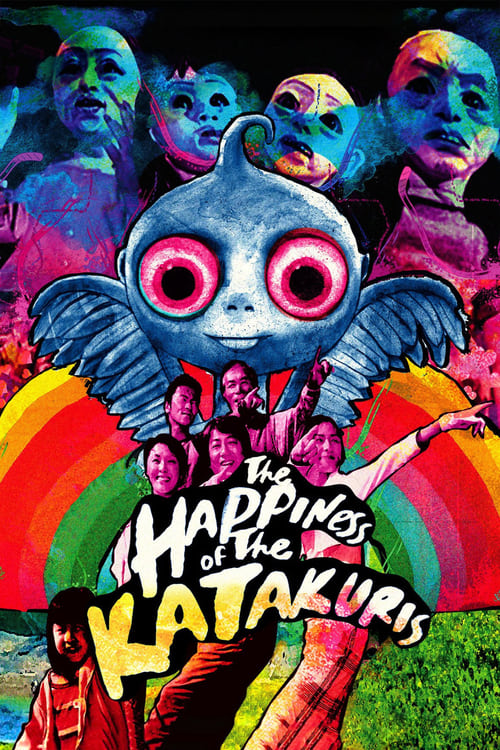
The Happiness of the Katakuris
2002
No user ratings available yet
Representation score: 4.7 out of 10
No Poster Available
Representation Score
Good
1988
Director
Giovanni Arduino
Runtime
65 minutes
Average Rating
No ratings yetNew Showbiz Analysis
Giovanni Arduino’s film is a transgressive work that finds its strength in subverting social and cultural norms. By centering on a morphine junkie and a destructive sister, it rejects polished, mainstream morality in favor of a chaotic, anti-social aesthetic. However, the film's diversity is limited by its insular focus. While it disrupts gender hierarchies and traditional family structures, it lacks meaningful representation of racial or LGBTQ+ identities. The portrayal of physical and mental impairment also leans toward spectacle rather than dignity. Ultimately, the film is a study in underground disruption that prioritizes gross-out comedy and social rebellion over inclusive character development.
Category Breakdown
The film lacks explicit evidence of LGBTQ+ characters or non-straight relationships. The narrative focuses almost entirely on a dysfunctional sibling dynamic.
The story challenges traditional female roles by centering a 'pug-ugly, crazy sister' as the primary driver of chaos. She acts destructively rather than nurturing others.
This Italian production appears to focus on a homogeneous, insular social unit. There is no evidence of a multi-ethnic or diverse cast within the narrative.
The film rejects traditional Western values and bourgeois morality through its focus on addiction and bodily horror. It challenges the sanctity of the nuclear family via its chaotic premise.
Characters feature severe burns and mental health struggles, yet these traits function primarily as horror spectacles. The film uses physical and mental trauma as dark comedy plot devices.
Present on Screen
Limited or Absent
Official Synopsis
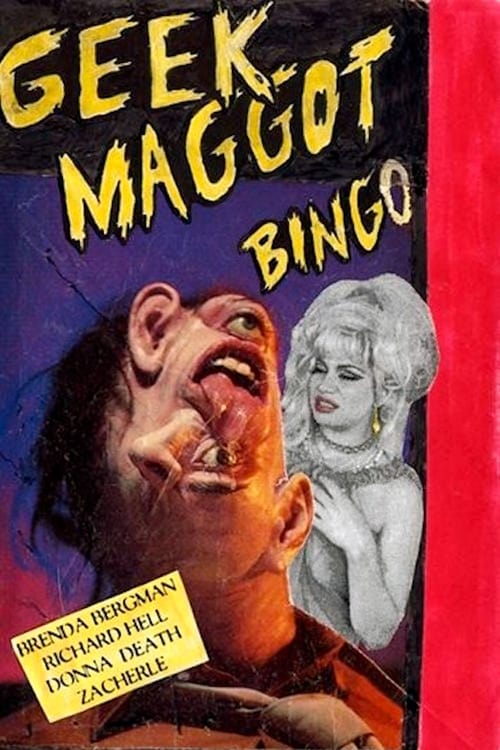
Underground Italian extremely gory, gross-out "comedy" (in early John Waters vein) about a badly burnt morphine junkie who is turned into a zombie after he gets injected with infected urine by his pug-ugly, crazy sister.
2002
1982
2008
1967

1993
2006
1983

1984
No reviews yet. Be the first to share your thoughts on this movie!
Use the rating form above to leave a star rating and optional review.