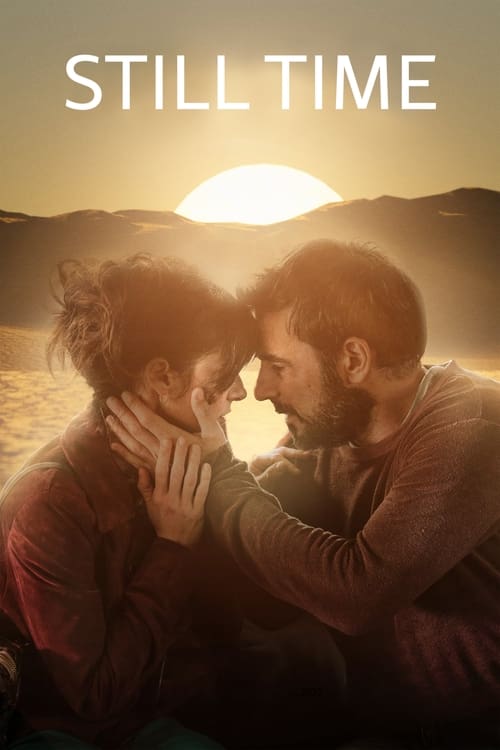
Still Time
2023
No user ratings available yet
Representation score: 7.0 out of 10

Representation Score
Good
2023
Director
Nobuhiro Yamashita
Runtime
120 minutes
Average Rating
No ratings yetNew Showbiz Analysis
Nobuhiro Yamashita presents a character-driven study that delves into the quiet rhythms of daily life. The film excels in its metaphorical exploration of temporal perception, offering a sophisticated look at how individuals navigate social connections through unique cognitive lenses. While the narrative effectively portrays neurodivergent-coded experiences, it remains limited by a homogeneous cultural setting. The focus on a localized Japanese context and a heterosexual pairing results in a lack of multi-layered breadth. Ultimately, the film succeeds as a humanist exploration of personal ability to act. It prioritizes the internal experiences of its characters over grand spectacle, making the protagonists' unique perceptions the heart of the romantic drama.
Category Breakdown
The story focuses on a heterosexual relationship between Hajime and Reika. There is no indication of queer identities or subtext within the current narrative.
The film balances the roles of male and female leads. Reika's unique internal rhythm challenges traditional expectations of female passivity through her distinct temporal perspective.
Set in Kyoto, the production reflects a homogeneous Japanese cultural environment. The narrative does not include diverse casting to break Western-centric storytelling norms.
The film explores everyday life in Kyoto, focusing on existential themes of memory and time. It avoids religious or ideological conflicts.
The protagonists' differing cognitive rhythms serve as a metaphor for neurodivergence. This approach treats sensory processing differences as a core part of their identity and connection.
Present on Screen
Limited or Absent
Official Synopsis
Set in Kyoto, Japan, a love story takes place between Hajime and Reika. Hajime is a handsome young man, who is usually a second quicker than everyone else and straightforward. He works at the post office. Reika is a young woman, who is usually a step slower than everyone else. After Valentine's Day, Hajime wakes up and is unable to remember what happened that day.
2023

2016
2020
2020

2017

2023

2018
2015
No reviews yet. Be the first to share your thoughts on this movie!
Use the rating form above to leave a star rating and optional review.