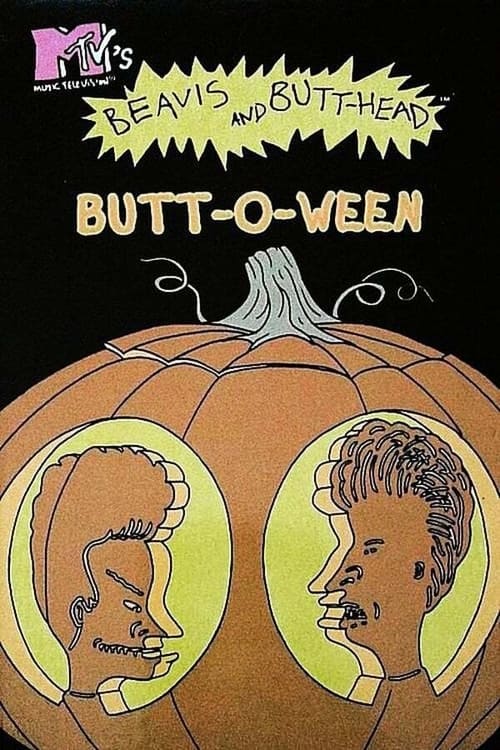
Beavis and Butt-Head: Butt-O-Ween
1995
No user ratings available yet
Representation score: 2.7 out of 10
Representation Score
Fair
1992
TV-14Director
Mike Judge
Runtime
5 minutes
Average Rating
No ratings yetNew Showbiz Analysis
Peace, Love and Understanding serves as a cynical, postmodern critique of 1960s countercultural idealism. It prioritizes the deconstruction of Western social myths over the inclusion of diverse identities. While the film excels at undermining the perceived sanctity of social progressivism through satire, it fails to provide meaningful representation for underrepresented groups. The narrative structure centers around a specific, homogeneous archetype of the hippie movement.
Category Breakdown
The film does not explicitly depict LGBTQ+ identities or non-binary gender expressions. Instead, it focuses on disillusionment with the era's social ethos rather than specific identity-based stories.
Characters primarily serve as vehicles for satirical commentary on social performance. There is no significant evidence of challenging traditional gender roles within the bohemian subculture.
The film focuses on a specific socio-cultural archetype that emphasizes a homogeneous aesthetic. There is no indication of intentional racial diversity or casting to challenge historical norms.
The narrative effectively deconstructs Western idealism and pseudo-spiritualism, presenting the 'peace and love' ethos as superficial and dysfunctional through a postmodern lens.
There is no evident portrayal of characters with visible or invisible disabilities. Characters are defined by socioeconomic and ideological affiliations instead.
Present on Screen
Limited or Absent
Official Synopsis
Beavis and Butt-head go to a monster truck rally, and end up buried in feces when a truck crashes through some port-a-potties which were the temple of Sterculius, the Roman God of feces.
1995
1996
1992
2022
1997
1999
1991
2006
No reviews yet. Be the first to share your thoughts on this movie!
Use the rating form above to leave a star rating and optional review.