
X-Manas
2017
No user ratings available yet
Representation score: 5.0 out of 10
Representation Score
Excellent
2017
Director
Shu Lea Cheang
Runtime
80 minutes
Average Rating
No ratings yetNew Showbiz Analysis
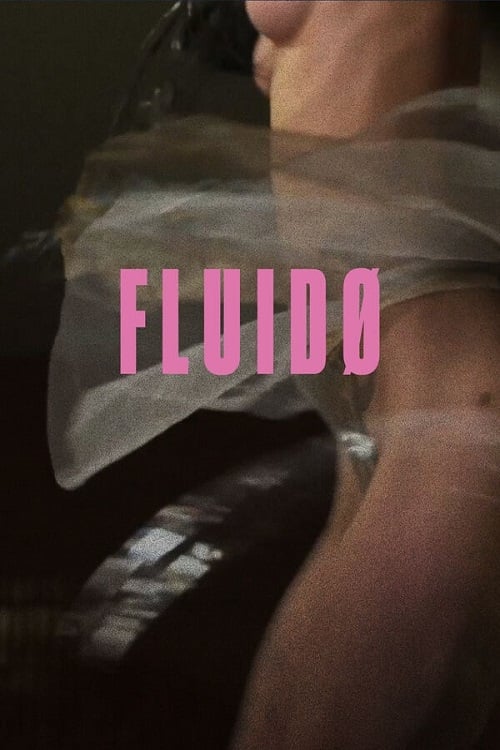
Fluidø is a radical science fiction work that rejects fixed social categories in favor of biological and sexual fluidity. It excels at dismantling the gender binary and challenging traditional power structures through an experimental narrative lens. The film's strength lies in its critique of institutional power and surveillance, offering a profound look at how economies exploit the human body. While it explores queer and gender identities deeply, it lacks specific character arcs detailing lived disability experiences and clear racial casting details.
Category Breakdown
The film challenges traditional boundaries between different sexual orientations and identities, embracing a fluid and interconnected understanding of sexuality. It moves beyond simple representation to explore a wide range of sexual and gender expressions.
The film deconstructs traditional gender hierarchies by presenting gender as a non-binary concept. It focuses on bodily experiences and performances that go beyond conventional masculine or feminine roles.
Directed by an artist born in Taiwan and filmed in Berlin, the film offers a transnational perspective. It uses science fiction to critique global systems of exploitation and dominance.
The narrative criticizes state-controlled economies and oppressive institutions. It emphasizes subjective morality over traditional religious or state-sanctioned ethical frameworks.
The film touches on themes of bodily difference or neurodivergence through biological mutations. However, it does not provide explicit character arcs that detail lived disability experiences.
Present on Screen
Limited or Absent
Official Synopsis
It is the year 2060 and AIDS has been eradicated. However, in some, the HIV virus has now mutated into a gene from which a drug can be produced that has become the white powder of the twenty-first century. With a virtually supported scanning system, secret police are trying to identify anyone who carries this gene. Filmed in Berlin, Taiwan-born multimedia artist and filmmaker Shu Lea Cheang’s science fiction dystopia revolves around a struggle to gain control over the production and exploitation of bodily fluids. Her film is like an orgiastic opera; a breathless round of bodies, secretions, performances and sexual acts often performed in the service of an overriding economy. An unusual, largely experimental and deliberately parapornographic drama in which the borders between the sexes as well as homo-, hetero-, bi-, trans- or intersexual are constantly blurred.
2017

1980
2015

1984

2005
1996

2014

2022
No reviews yet. Be the first to share your thoughts on this movie!
Use the rating form above to leave a star rating and optional review.