Reality+
2014
No user ratings available yet
Diversity score: 6.0 out of 10
2014
Director
Bertrand Mandico
Runtime
16 minutes
Average Rating
No ratings yetSynopsis
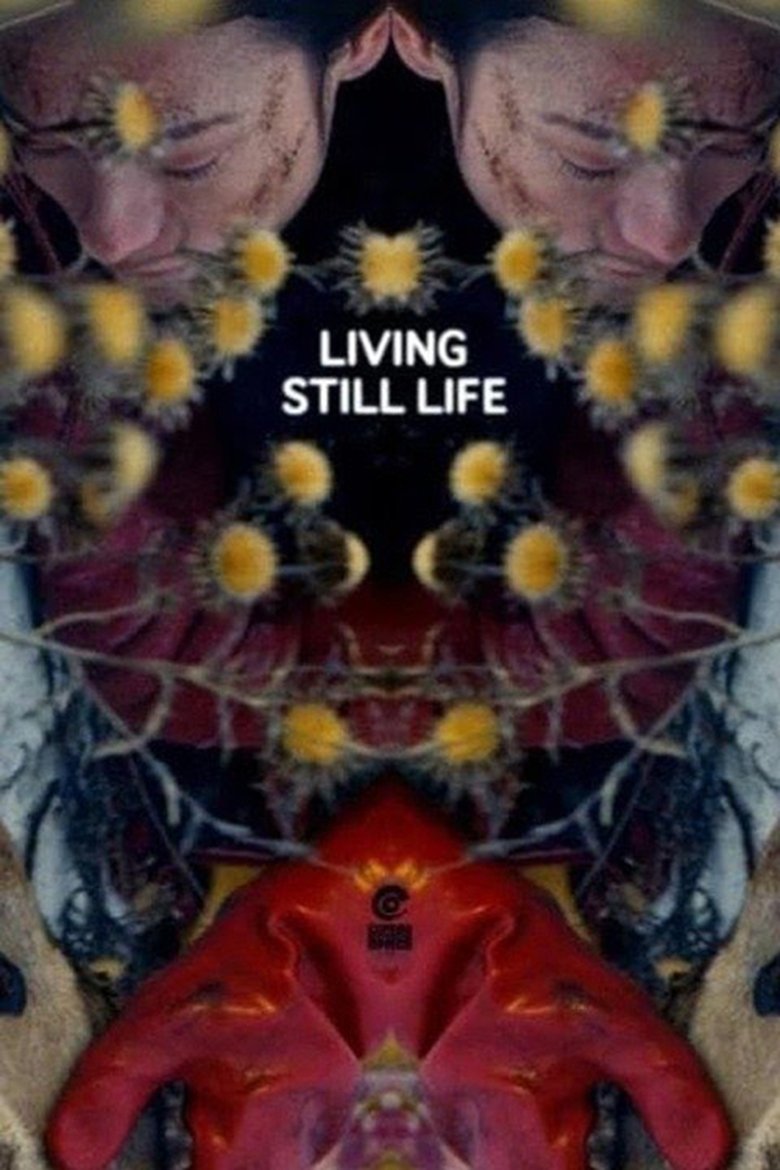
In a world in decay, a woman collects her dead animals and restores them to life by filming them images by image.
Overall Score
Good
Category Breakdown
LGBTQ+ Representation
The film utilizes queer aesthetics and non-normative desire as central motifs. The reanimation of the dead serves as a metaphor for fluid identities and unconventional connections.
Gender Representation
A female protagonist exercises god-like agency through scientific and creative mastery. This role challenges traditional hierarchies that often relegate women to passive or domestic positions.
Racial & Ethnic Diversity
The stylized, singular character study lacks evidence of a diverse cast. The surrealist setting prioritizes aesthetic abstraction over specific ethnic or racial markers.
Religious & Cultural Diversity
The narrative adopts a secular, postmodern approach to existence. It critiques the permanence of Western biological and social structures by framing life through film rather than religion.
Disability Representation
The focus on reanimating dead animals explores themes of bodily integrity and the 'otherness' of non-functional bodies. However, it lacks specific portrayals of characters with agency-driven disabilities.
Strengths
Areas for Improvement
AI Analysis
Living Still Life succeeds in subverting genre tropes by centering a female protagonist with immense creative and scientific power. This shift disrupts traditional gender hierarchies and provides a sophisticated exploration of agency. The film's strength lies in its philosophical depth, using surrealism to deconstruct biological and social norms. It offers a unique, secular meditation on life and death that moves beyond conventional science fiction. However, the film's highly stylized and abstract nature limits its demographic breadth. The focus on singular, dream-like imagery results in a lack of visible racial diversity and specific disability representation.
2014

2019
2020
2016
2018
1970
2015
2021
2014
2015
2012
2018
No reviews yet. Be the first to share your thoughts on this movie!
Use the rating form above to leave a star rating and optional review.