The Player
1992
No user ratings available yet
Representation score: 6.8 out of 10
Representation Score
Fair
1993
RDirector
Fred Schepisi
Runtime
112 minutes
Average Rating
No ratings yetNew Showbiz Analysis
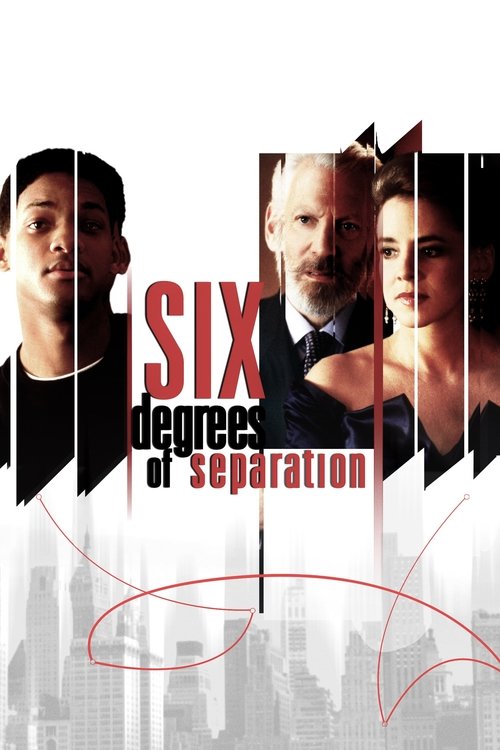
Six Degrees of Separation uses identity as a narrative tool to dismantle social hierarchies. The film's strength lies in its intellectual engagement with class and race, employing a Black, queer protagonist to expose the fragility of white, upper-class structures. However, the representation often feels performative, with identity serving more as a tactical instrument for deception than a source of sustained, lived-experience character development. Ultimately, the film excels as a critique of institutional integrity and social performance, though it remains within traditional demographic bounds for its supporting cast.
Category Breakdown
The protagonist's queer identity is used to disrupt social norms. However, the film focuses more on using this orientation to destabilize straight-centered environments rather than delving into deeper community experiences.
The film challenges traditional gender roles by emphasizing the psychological turmoil in a marriage. The female lead takes a significant role in driving the story, while the male counterpart's vulnerability is revealed through manipulation.
Race is used as a performative element through the protagonist's claimed connection to Sidney Poitier. This tactic critiques the superficiality of white intellectualism and high-society homogeneity.
The narrative provides a postmodern critique of capitalist social structures and elite institutions. It frames truth as subjective and situational to expose institutional hypocrisy.
The film contains no significant depictions of physical or neurodivergent disabilities.
Present on Screen
Limited or Absent
Official Synopsis
The story of a young, gay, black, con artist who, posing as the son of Sidney Poitier, cunningly maneuvers his way into the lives of a white, upper-class New York family.
1992

1993
1972

1978

1998

1982
1987
1990
No reviews yet. Be the first to share your thoughts on this movie!
Use the rating form above to leave a star rating and optional review.