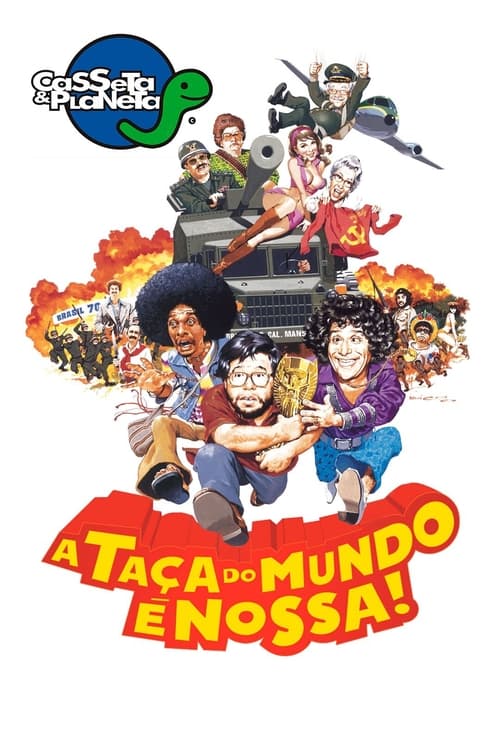
Casseta & Planeta: A Taça do Mundo é Nossa!
2003
No user ratings available yet
Representation score: 4.0 out of 10
Representation Score
Fair
2016
Director
Caito Ortiz
Runtime
84 minutes
Average Rating
No ratings yetNew Showbiz Analysis
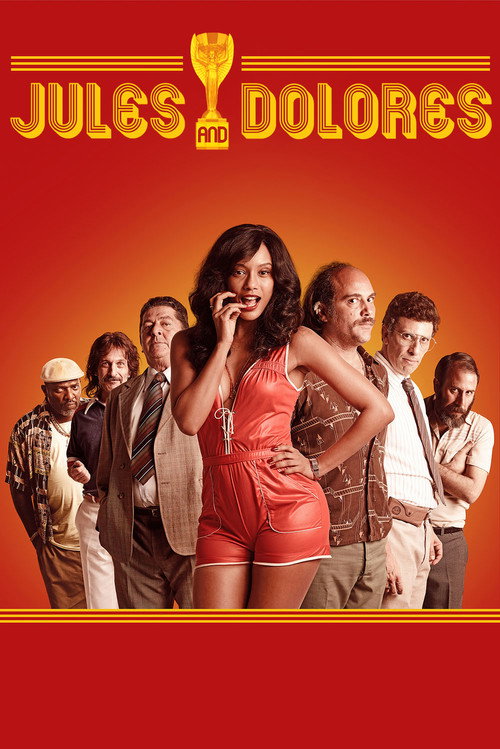
Jules and Dolores uses the 1983 theft of the Jules Rimet Cup to challenge the reverent history of Brazilian football. By framing this institutional event as a preposterous pop comedy, the film shifts focus from sporting prestige to individual ability to act. The narrative structure seems designed to deconstruct established social structures. It replaces the gravity of official history with a character-driven, potentially subversive approach to Brazilian heritage. While the film offers a vibrant setting for exploring diverse identities, specific details about characters who reflect more than one aspect of diversity are limited in the available documentation.
Category Breakdown
The film's title hints at a dual-protagonist structure that might explore non-traditional relationships. However, there is no clear indication of LGBTQ+ identities in the provided context.
The inclusion of Dolores in the title suggests a strong female presence that may drive the plot. This setup potentially challenges the male-dominated history of the CBF.
Set in Rio de Janeiro, the film operates within a multi-ethnic landscape. The focus on Brazilian identity provides a platform for a diverse, non-Anglo-Saxon cast.
The narrative disrupts the sanctity of traditional sporting hierarchies by framing a national institution through a lens of absurdity. It deconstructs official historical narratives.
There is no evidence to suggest the presence of characters with visible or invisible disabilities.
Present on Screen
Limited or Absent
Official Synopsis
On December 19th, 1983, the dream was taken away. The most coveted trophy of all time, the Jules Rimet Cup disappeared from the headquarters of CBF, the Brazilian Football Association. Let me explain: every 4 years FIFA holds a Football World Cup. Back then, only a country that won the Cup three times could keep the trophy for good. This privilege was reserved to Brazil when they won for the 3rd time in 1970. The beautiful trophy was kept as a symbol of superiority in the headquarters of CBF, in Rio de Janeiro. “Jules and Dolores” is a pop comedy that tell us the real, preposterous and unusual story behind this theft.
2003

2015
2019

2003

2014

2023

2001

2026
No reviews yet. Be the first to share your thoughts on this movie!
Use the rating form above to leave a star rating and optional review.