Tainted Love
1996
No user ratings available yet
Representation score: 4.2 out of 10
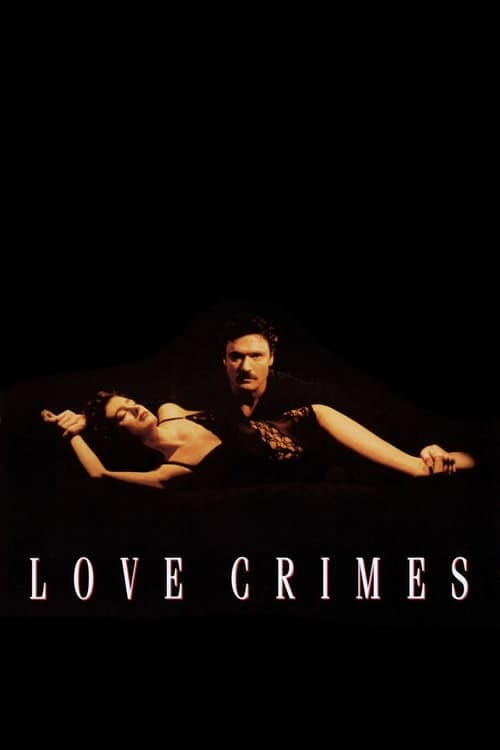
Representation Score
Good
1992
RDirector
Lizzie Borden
Runtime
90 minutes
Average Rating
No ratings yetNew Showbiz Analysis
Love Crimes operates as a neo-noir that overturns typical thriller dynamics. By placing a female Assistant District Attorney at the forefront as the strategic leader rather than a passive figure, the film highlights her professional and tactical influence. Though the movie does not delve deeply into multi-layered or LGBTQ+ themes, it makes strides by dismantling traditional family structures. The depiction of a troubled domestic past challenges the stability of conventional authority figures. Overall, the film's strength lies in its gender-focused subversion, while it remains somewhat limited in exploring broader racial and identity-based narratives.
Category Breakdown
The film focuses on a heterosexual relationship between characters, with no direct representation of LGBTQ+ individuals or stories. Identity is explored through the protagonist’s use of disguises, but there are no explicit LGBTQ+ characters.
The film features a strong female protagonist who uses her tactical intellect to drive the story. She avoids the damsel in distress cliché by actively orchestrating the investigation.
The cast includes actors of various racial backgrounds, such as Arnetia Walker and Tina Hightower. However, racial identity does not play a central role in the main interpersonal conflicts.
The film challenges traditional family structures by showing a fractured, abusive home life. Flashbacks reveal the instability of the idealized family unit through the protagonist's traumatic experiences.
The film explores the long-term effects of childhood trauma and abuse on the protagonist, using these elements as key plot drivers rather than providing detailed explorations of mental health conditions.
Present on Screen
Limited or Absent
Official Synopsis
An Atlanta prosecutor sets her own trap for a sex offender who poses as a famous photographer.
1996

1970

1996
1984
1992
1997
1992
2014
No reviews yet. Be the first to share your thoughts on this movie!
Use the rating form above to leave a star rating and optional review.