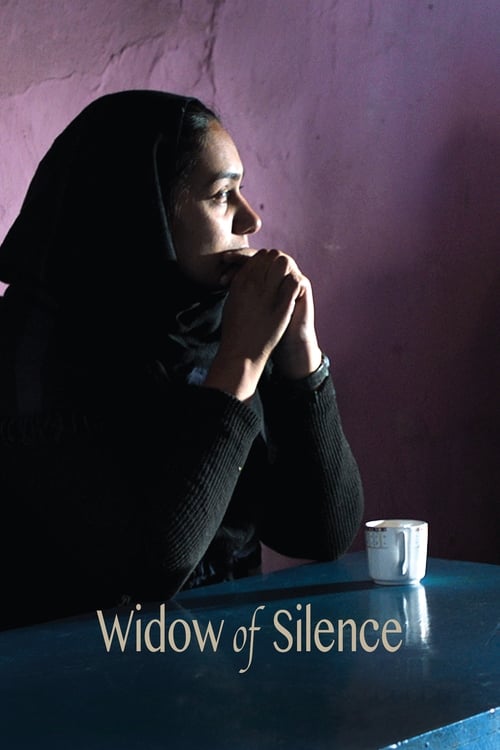
Widow of Silence
2018
No user ratings available yet
Representation score: 8.2 out of 10

Representation Score
Limited
2010
Director
Aamir Bashir
Runtime
101 minutes
Average Rating
No ratings yetNew Showbiz Analysis
Harud is a deeply specific portrait of Kashmiri life, excelling in its ethnic and cultural authenticity. By centering a underrepresented regional identity, it successfully challenges Western-centric storytelling norms and explores the psychological impact of political insurgency. However, the film remains tethered to traditional social structures. The narrative focus is heavily weighted toward male experiences, leaving female characters in domestic roles and offering no representation for LGBTQ+ identities. Ultimately, the film's strength lies in its post-colonial perspective and its ability to use a specific geopolitical context to drive a universal story of grief and survival.
Category Breakdown
The film focuses on the domestic and psychological struggles of a male protagonist. It operates within a traditional social framework with no visible LGBTQ+ characters or non-conforming gender identities.
The narrative centers on the male experience of grief and political displacement. Women are depicted through the lens of domesticity, reflecting conventional gender roles rather than challenging them.
The film provides a nuanced portrayal of Kashmiri identity through a predominantly Kashmiri cast. It uses local landscapes and cultural nuances as essential components of character development.
The story disrupts Western-centric perspectives by framing struggles against systemic political forces. It explores the psychological toll of military presence and the impact of state authority on family life.
There are no prominent depictions of physical or neurodivergent disabilities that serve as central narrative drivers in this work.
Present on Screen
Limited or Absent
Official Synopsis
Rafiq and his family are struggling to come to terms with the loss of his older brother Tauqir, a tourist photographer, who is one of the thousands of young men who have disappeared, since the onset of the militant insurgency in Kashmir. After an unsuccessful attempt to cross the border into Pakistan,to become a militant, Rafiq returns home to an aimless existence. Until one day when he accidentally finds his brother's old camera.
2018
2004
2014

2011
2000
2013
2008
2014
No reviews yet. Be the first to share your thoughts on this movie!
Use the rating form above to leave a star rating and optional review.